
Bar in Charleston, United States
Bin 152
100ptsRetail-Floor Drinking
About Bin 152
A wine bar on King Street that reads more like a well-curated European cave à vin than a Southern hospitality set piece. Bin 152 anchors itself to bottle-forward programming and an atmosphere more suited to a long Tuesday evening than a weekend tourist crawl. On a street that moves fast, it holds a deliberately slower tempo.
King Street at Rest
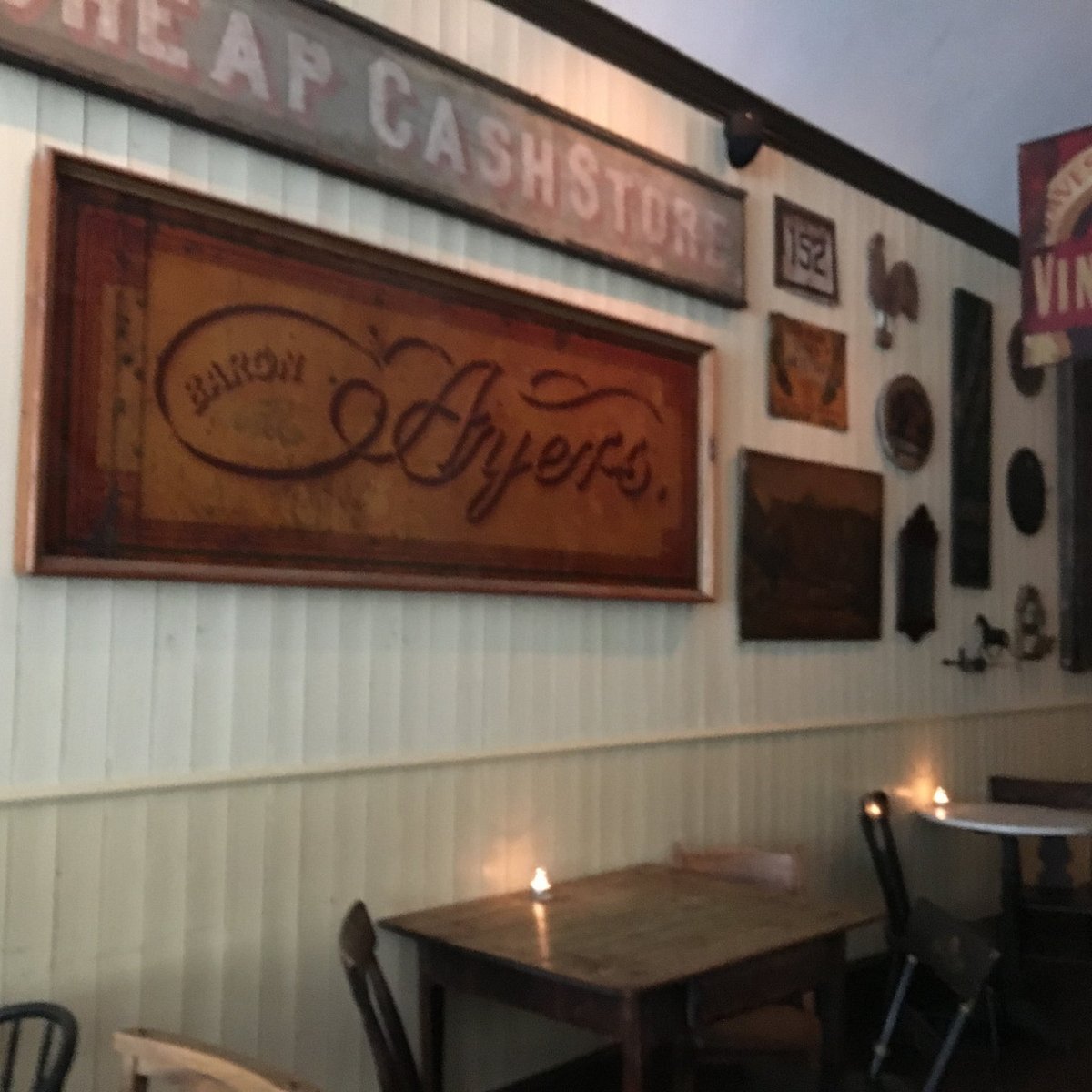
King Street in Charleston runs the full register of American commercial hospitality — fashion retail, hotel lobbies, rooftop bars built for Instagram geometry, restaurants geared toward the pre-show crowd. Number 152 sits inside all of that without much interest in participating in it. The room is tight, the lighting lands closer to candlelight than to the kind of ambient glow designed to make food photography easy, and the shelves of bottles do more visual work than any designed feature element. In cities where wine bars have increasingly become aestheticized lifestyle brands, this format — sparse, bottle-dense, quietly confident , belongs to an older European tradition of letting the list do the talking.
What the Format Reveals
The architecture of a wine program tells you more about a bar's actual priorities than any mission statement. At many Charleston wine-focused venues, the list functions as a supporting document for a food menu or a cocktail program. The format at Bin 152 inverts that hierarchy: the bottles are the primary text, and everything else organizes around them. That kind of commitment to wine as the central experience, rather than as accompaniment, places it in a smaller category within the city's drinking scene.
Charleston has developed a genuinely varied wine bar tier in recent years. 39 Rue de Jean leans on French brasserie atmosphere to contextualize its wine offer. 82 Queen operates in the historic-property register, where the building's age shapes the drinking experience as much as the glass. Bin 152 doesn't rely on either framing. The format is the point, and the format is: come for wine, stay for the conversation that wine tends to produce.
The List as Editorial Argument
Wine bars that take their lists seriously are making an argument about how to drink. The selection at a venue like this one , a shop-bar hybrid format common in France and Italy, less common in the American South , typically reflects a buyer's genuine point of view rather than a distributor's push list. That means Old World weighting, an interest in producers who don't show up on by-the-glass lists at mainstream restaurants, and a willingness to stock bottles that require a little explanation before they sell.
For the drinker, this format has a specific advantage: you can buy a bottle to take home at retail pricing, or open it in-house for a corkage premium, or drink from whatever is already open. That flexibility is less common in Charleston's drinking culture, which skews heavily toward cocktail-forward programming. The Cocktail Club and babas on cannon both demonstrate how seriously the city takes its spirits-led bars. Bin 152 operates in a different register entirely, one that is more interested in Burgundy village appellations than in clarified sours.
Where It Sits in the Southern Wine Bar Scene
The American South has produced a wine bar culture that lags its cocktail culture by at least a decade. New Orleans has moved furthest, with venues like Jewel of the South demonstrating how a serious drinks program can carry historical and regional weight simultaneously. Houston's Julep shows a different path, through Southern spirits regionalism. But wine-specific depth of the kind that defines the leading list-driven bars in other American cities , ABV in San Francisco, Kumiko in Chicago, Bar Leather Apron in Honolulu , remains rarer in the South.
Bin 152 holds an unusual position because it arrived at this format early and has maintained it with consistency. The shop-bar model it occupies is common enough in European cities that it barely registers as a concept; in Charleston, it functions more distinctly. For comparison, The Parlour in Frankfurt and comparable European bar-shops operate in markets where wine literacy is assumed. Bin 152 works the same format in a market where that assumption is less reliable, which makes the editorial confidence of its list more notable.
Among the Charleston venues in the same general category, Graft Wine Shop and Prohibition each approach wine programming differently , Graft with a retail-forward model that has expanded its bar component, Prohibition leaning on a historic atmosphere that predates its current wine focus. Bin 152's approach has remained consistent: the bottle list is the experience, the room is a container for that list, and the format trusts the customer to arrive already interested.
The Atmosphere Argument
There is a version of the wine bar experience that prioritizes comfort theater: plush seating, low music pitched at a specific demographic, a menu of small plates designed to extend the check. Bin 152 doesn't operate in that mode. The room is functional rather than designed, which means it rewards visitors who arrive with an agenda , a region they want to explore, a producer they've been curious about, a glass that requires some conversation to order well. For that kind of drinker, the atmosphere is exactly right. For someone looking for a designed ambient experience, it will read as sparse.
That honesty of format is relatively rare. Across American wine bars, the tendency is to soften the wine program inside a hospitality envelope that makes the experience legible to a broader audience. The result is often a diluted offer. Superbueno in New York shows how to build a specific identity around a drinks program without compromising it for accessibility. Bin 152 takes a similar stance, though through wine rather than spirits, and through a quiet King Street room rather than a downtown New York format.
Planning a Visit
Bin 152 sits at 152 King Street, positioning it within easy walking distance of Charleston's main hotel cluster and the city's primary restaurant corridor. For visitors moving through the city's drinking circuit , checking in on 39 Rue de Jean or working through the broader scene covered in our full Charleston guide , this fits naturally as either a quieter opening act or a considered final stop. The shop-bar format means it functions well earlier in the evening when pacing matters, or later when a serious glass is more appealing than another cocktail. Phone and booking details are not published centrally; walk-ins are consistent with the format's ethos, though weekends on King Street move quickly enough that arriving early is practical rather than optional.
Frequently Asked Questions
What drink is Bin 152 famous for?
Bin 152 is primarily a wine bar operating on a shop-bar format, meaning its identity is built around the bottle list rather than a signature cocktail or single house pour. The focus sits on Old World wines across multiple regions, and the format allows guests to purchase bottles at retail pricing or open them in-house. It occupies a different category from Charleston's cocktail-forward venues , if your interest is in spirits programming, The Cocktail Club is a more natural fit.
What makes Bin 152 worth visiting?
The shop-bar format it operates , where you can buy retail or drink in-house , is uncommon in Charleston's drinking scene, which trends heavily toward cocktail programs. For wine-focused visitors, it fills a gap that few venues in the city address with the same level of list commitment. Its position on King Street also makes it practically easy to include in a broader evening without requiring a dedicated destination trip.
Should I book Bin 152 in advance?
No centralized booking information is published for Bin 152, and the shop-bar format typically accommodates walk-ins as a matter of course. King Street sees significant foot traffic on weekends, so arriving before peak evening hours is a reasonable precaution. For context on how the broader Charleston scene manages demand, the EP Club Charleston guide covers booking patterns across the city's key venues.
What kind of traveler is Bin 152 a good fit for?
Travelers who arrive with a specific interest in wine and are looking for a format that centers the bottle list rather than the hospitality envelope around it will find Bin 152 directly useful. It suits a slower, more deliberate evening pace rather than a high-rotation bar crawl. Visitors whose primary interest is Charleston's cocktail culture will find babas on cannon or 82 Queen better aligned with that agenda.
Is Bin 152 a wine shop, a bar, or both?
Bin 152 operates as a hybrid: a retail wine shop where bottles can also be opened and consumed on-site, a format more common in France and Italy than in the American South. This means the selection reflects a buyer's curatorial point of view rather than a bar inventory optimized for high-volume by-the-glass sales. It's one of the few venues in Charleston where the line between retail purchase and in-house drinking is deliberately porous , a practical advantage for visitors who want to take something home as much as drink something now.
More bars in Charleston
- 39 Rue de Jean39 Rue de Jean is Charleston's most accessible French bistro option, with an outdoor terrace that earns it a place on the shortlist for group dinners and relaxed evening drinks. Booking is easy, the format is familiar, and it's a useful change of pace from the city's Lowcountry-heavy dining scene. Best for returning visitors who want variety without the reservation battle.
- 82 Queen82 Queen is an easy book by Charleston standards, with a historic courtyard that outperforms most indoor dining rooms in the city during spring and fall evenings. If you've visited once and sat inside, the outdoor terrace is the reason to return. Reservations are straightforward, the address is central, and the setting does most of the heavy lifting.
Related editorial
- Best Fine Dining Restaurants in ParisFrom three-Michelin-star icons to the next generation of Parisian chefs pushing boundaries, these are the restaurants that define fine dining in the world's culinary capital.
- Best Luxury Hotels in RomeFrom rooftop terraces overlooking ancient ruins to Michelin-starred hotel dining, these are the luxury hotels that make Rome unforgettable.
- Best Cocktail Bars in KyotoFrom sleek lounges to hidden speakeasies, Kyoto's cocktail scene blends Japanese precision with global influence in ways you won't find anywhere else.
Save or rate Bin 152 on Pearl
Keep this venue in your Pearl passport, rate it after you visit, and track it alongside every other place you collect.