
Tannin
Bo-Kaap, Cape Town
Bar in Cape Town, South Africa
 Book with Pearl
Why go
Tannin is worth considering when the night is wine-led and central Cape Town convenience matters. Star Wine List recognition in 2026 gives it a stronger quality signal than a generic city-centre bar, but value depends on prioritising the glass over a full food or party-night experience.
About Tannin
Is Tannin in Cape Town worth it? Tannin is a Cape Town venue with smart-casual dress, Monday-to-Saturday opening hours, Sunday closure, and Star Wine List recognition in 2026.
The clearest signal is the Star Wine List recognition in 2026. That makes Tannin worth considering when that recognition matters to your plan, but a price range, cuisine style, signature dishes, seating count, or booking difficulty are not available. If you are comparing different kinds of Cape Town venues, Tiger's Milk Long Street may be another option to consider. If the plan is centered on Tannin's details, use those facts as the starting point.
Choose it for its wine signal, not unsupported extras
Tannin is in Cape Town. Beyond the city, a street address or neighborhood detail is not available, so plan around the operating pattern instead: Monday to Thursday from 12 PM to 11 PM, Friday and Saturday from 12 PM to 12 AM, and closed on Sunday.
Food should not be the reason to choose Tannin, because no cuisine style or signature dishes are available. Consider the food side to be unspecified rather than assuming a specific format. For readers building a dinner-first plan, use Our full Cape Town restaurants guide before choosing where to go. For broader planning across the city, use the facts alongside other Cape Town guides.
Value comes from matching the visit to the facts
Because a price range is not available, value-seekers should not treat Tannin as a bargain pick or a premium splurge by default. The better way to judge it is by occasion: it suits plans where the Star Wine List recognition and smart-casual setting matter more than claims about food, format, or crowd.
For a wider venue scan, Our full Cape Town bars guide is a useful filter. Other named options to compare naturally include Culture Wine Bar, Daddy Cool Bar, Leo's, The Blue Room, and Tiger's Milk Long Street, depending on the kind of Cape Town outing you are planning.
Planning details
- Location
- 86 Bree St, Cape Town City Centre, Cape Town, 8001, South Africa
- Website
- tannin.co.za
- Phone
- +27 10 825 6086
The take
The Take
The Vibe
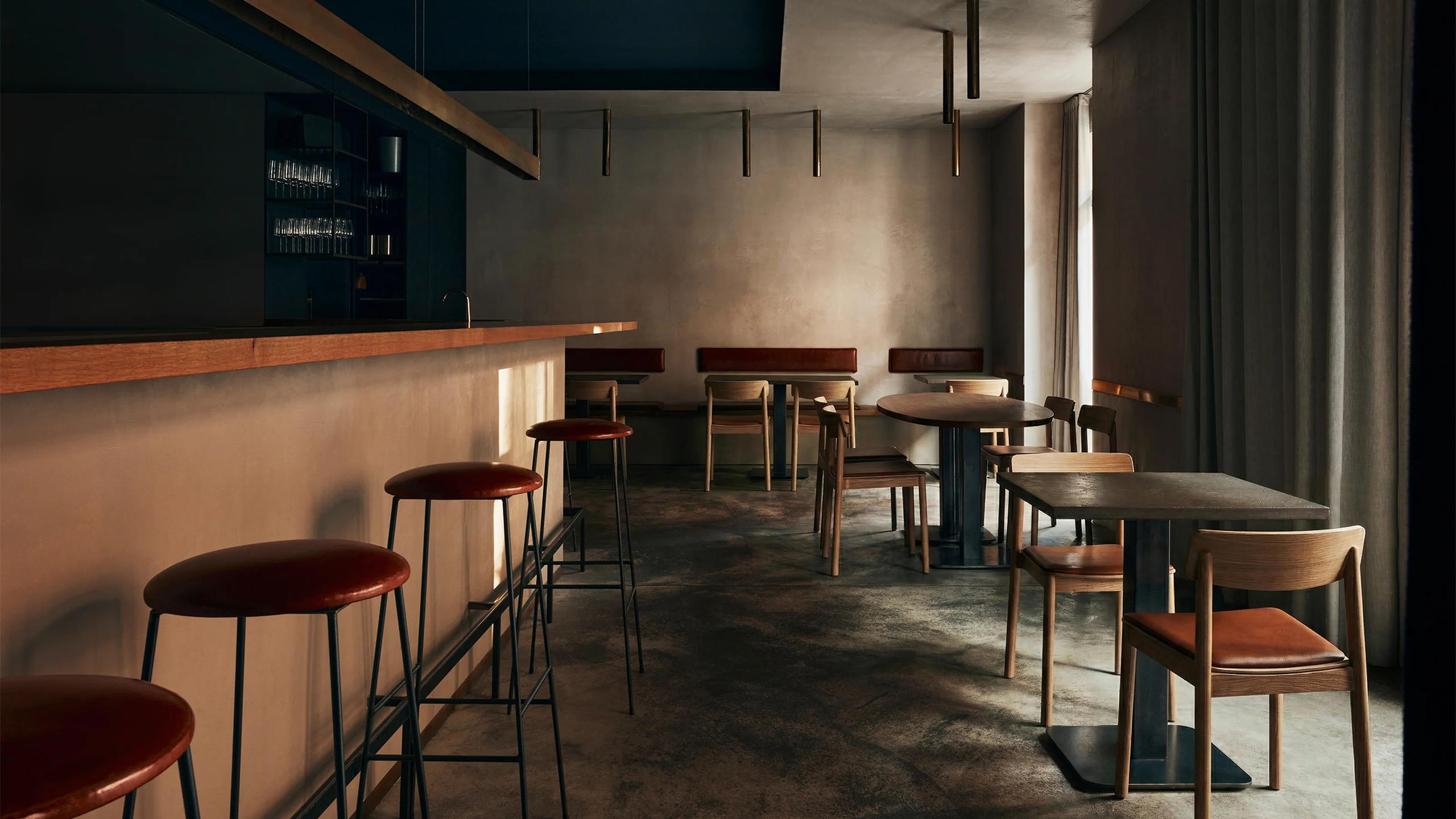
Tannin settles into Bree Street's dense dining fabric as a quietly confident wine bar. The room treats the glass seriously without tipping into formality, so the mood stays intimate and understated rather than demonstrative. Industry insiders share the space with neighbourhood regulars and curious visitors, which keeps the energy focused and convivial. The bar channels a European wine-bar model through a South African lens: editorial on its list, tasteful in execution, and intent on conversation rather than spectacle. It feels like a deliberate, low-key pick for people who want to drink thoughtfully without ceremony.
Best For
Tannin is best for evenings when wine is the main event — think date nights and low-key meetups where the list matters. Its location on Bree Street makes it a natural stop for diners and visitors working through Cape Winelands selections by the glass, and the room’s tone suits those who prefer considered drinking over loud nightlife. Regulars and wine professionals frequent the space, so it also works well for solo exploration of the by-the-glass options or a relaxed two-person outing where conversation and tasting take priority.
Ordering Tips
Lean into the by-the-glass programme: the list is curated with as much editorial weight as a cocktail menu, so ordering a few small pours is a smart way to explore. Ask staff about South African producers and any glasses that showcase regional contrasts — the bar attracts wine-savvy guests and tends to spotlight local terroir. Because the venue sits between casual and formal, pace your tasting and treat it like a conversation: sample deliberately, compare a few styles, and let the server guide pairings or suggestions rather than defaulting to a single bottle.
Venue details
Ambiance
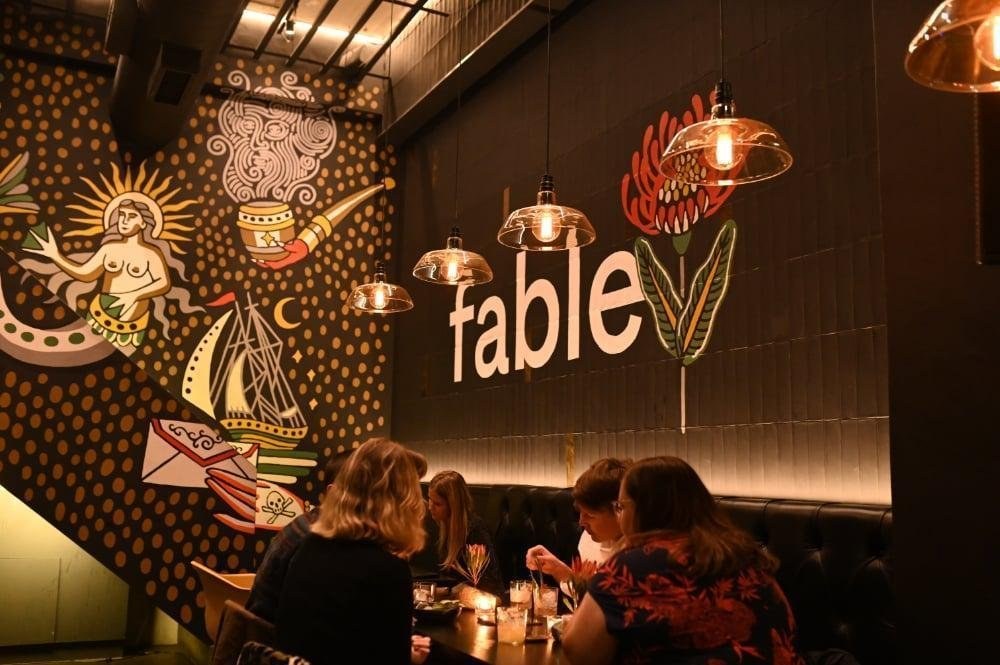
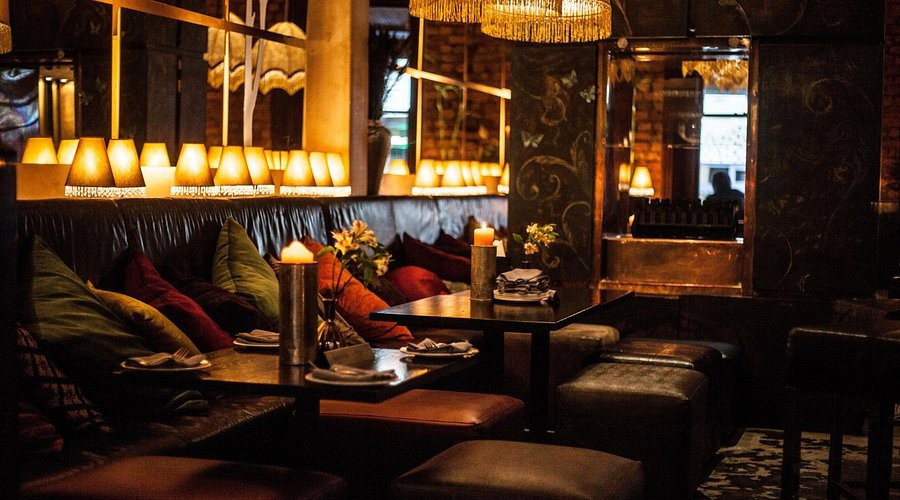
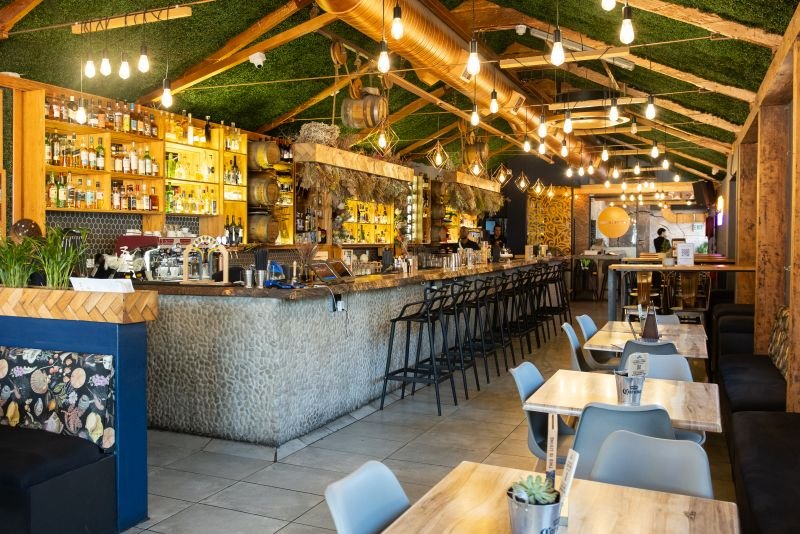
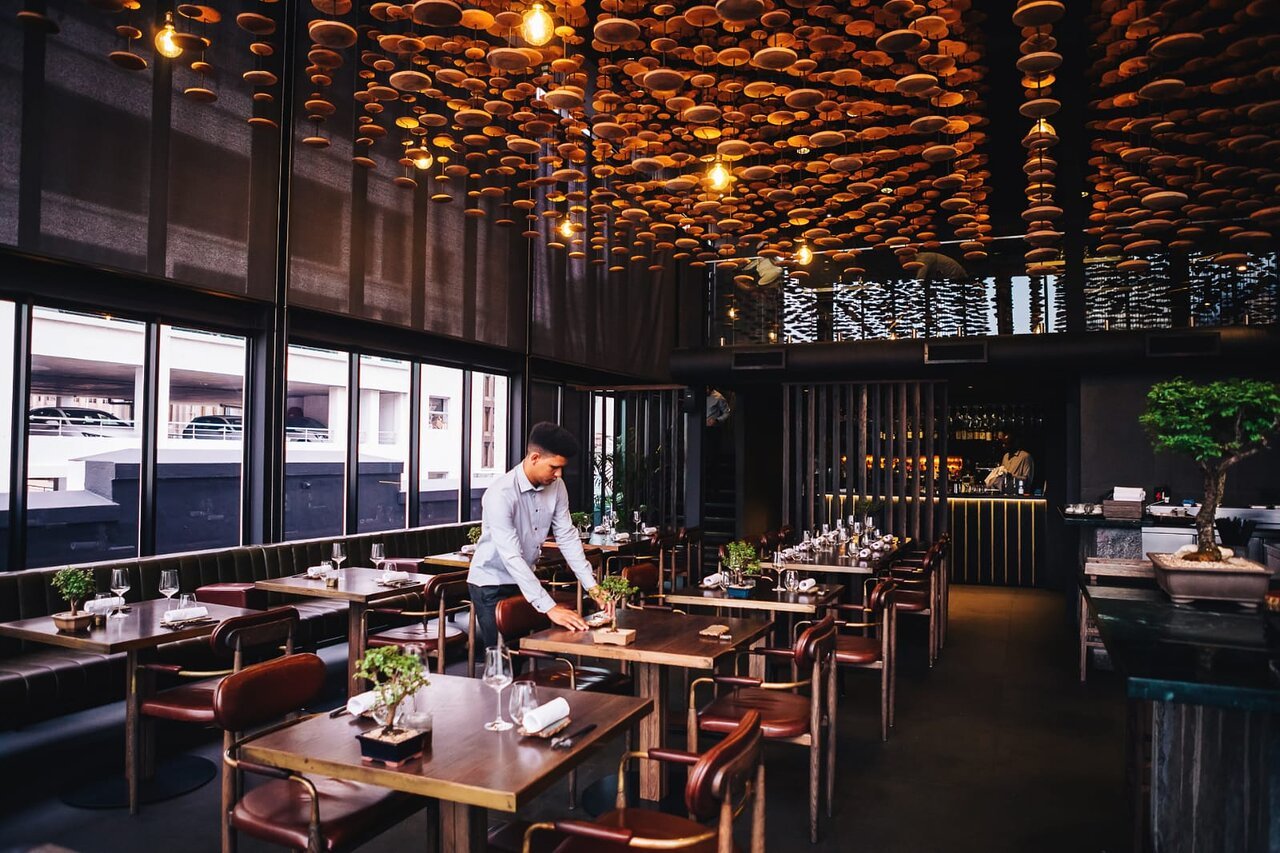
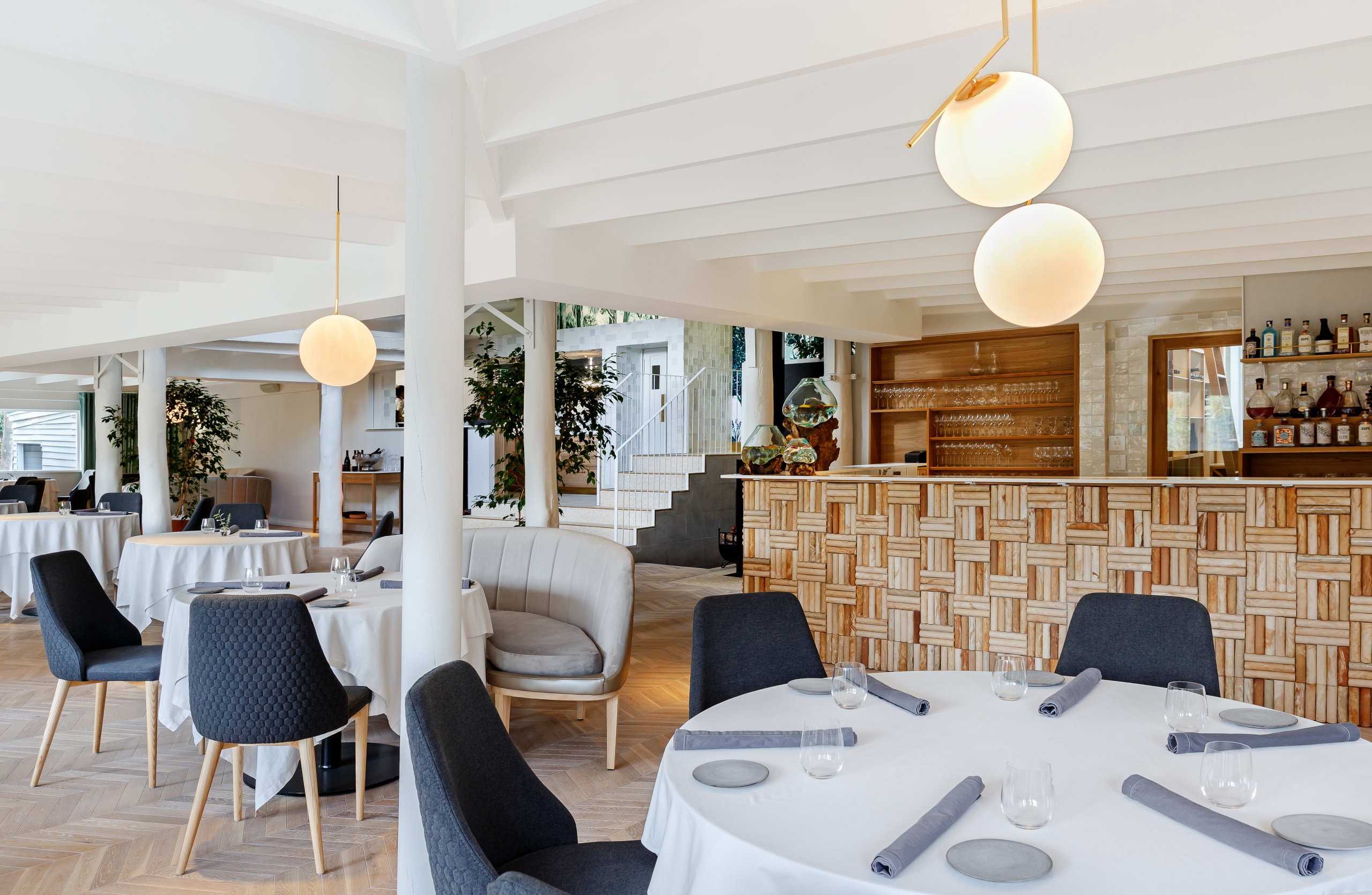
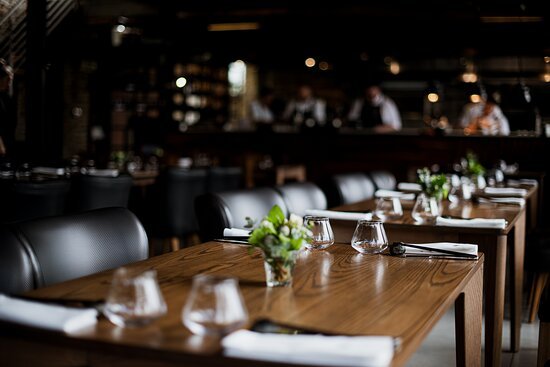
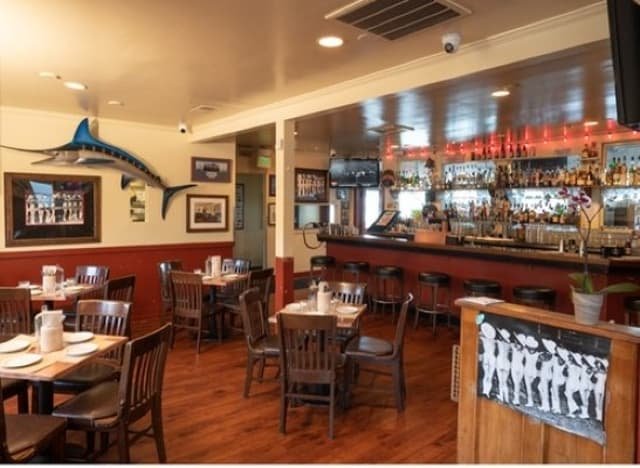
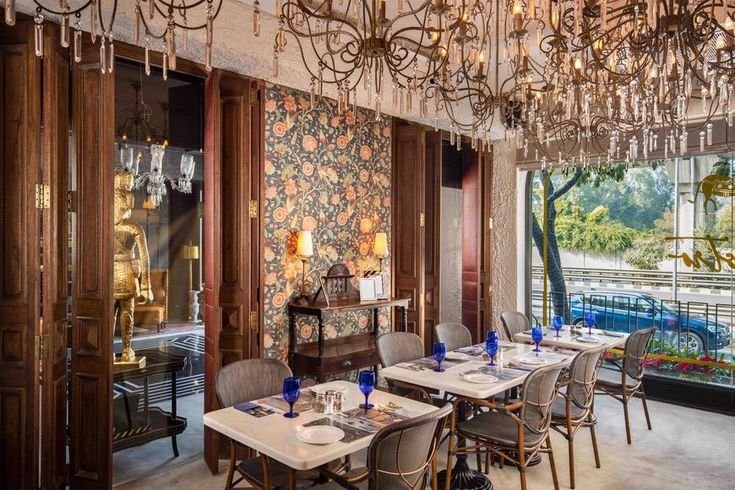
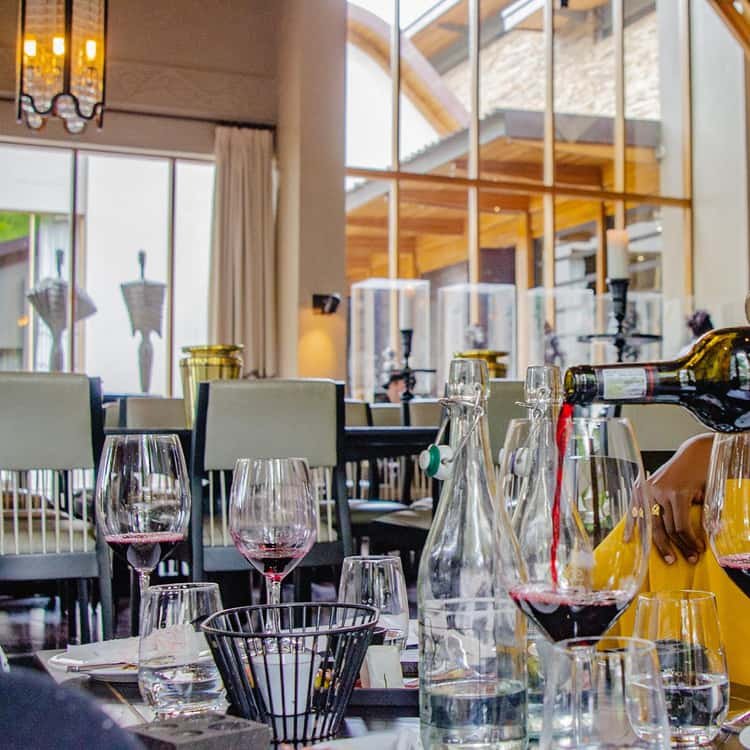
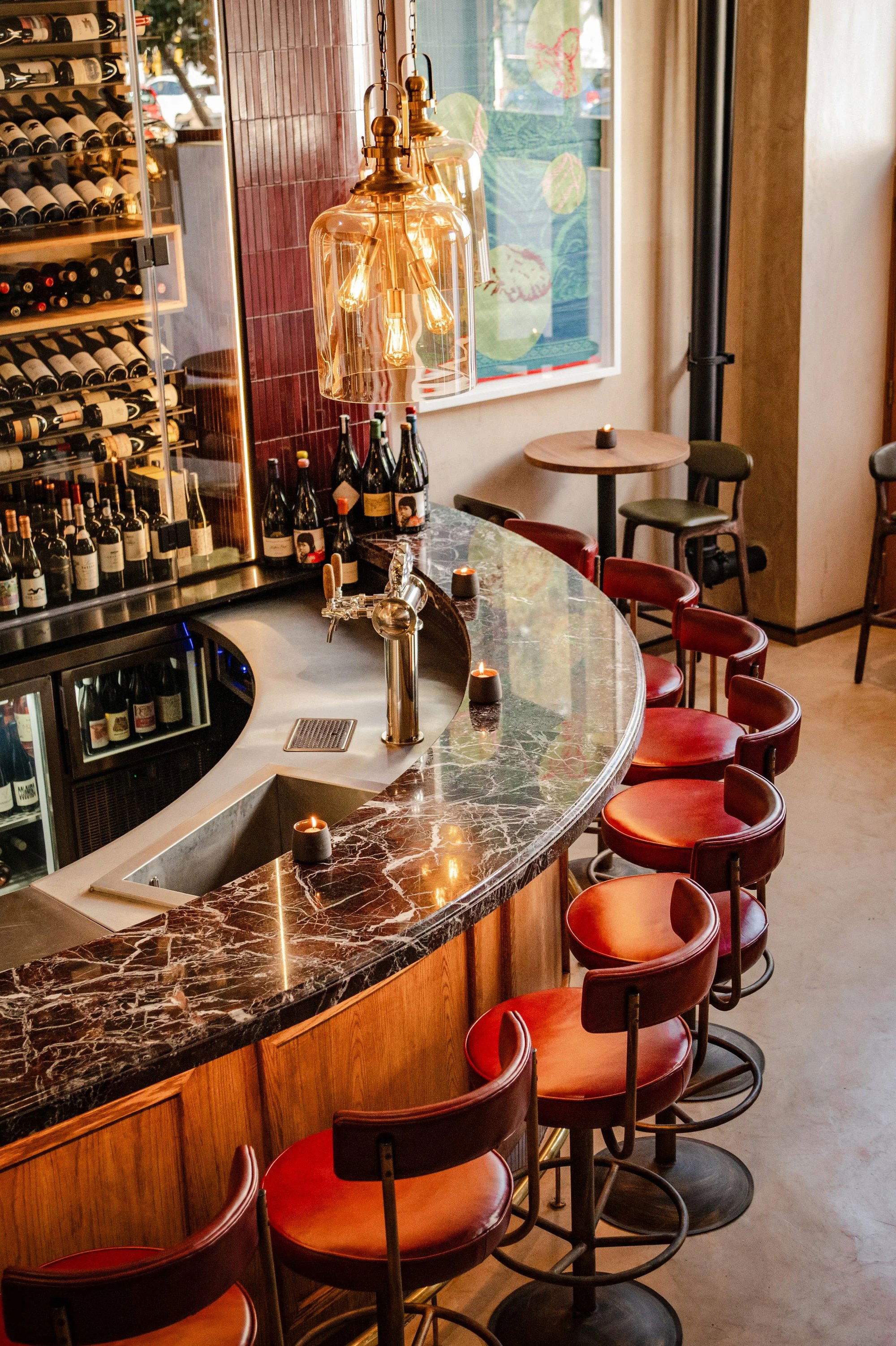
Plush, light-filled space with cozy tables, elegant yet relaxed atmosphere suitable for romantic evenings or dates, featuring rotating artworks and a vibrant yet conversational energy.
Tags
Vibe
Best For
Experience
Format
At the Bar
- Bar Category
- Wine Bar
Know before you go
Know Before You Go
- Getting there
- 86 Bree St, Cape Town City Centre, Cape Town, 8001, South Africa
Planning details
Location
86 Bree St, Cape Town City Centre, Cape Town, 8001, South Africa · Directions
Recognition and awards

Also consider
If Tannin is not the right fit
Book Culture Wine Bar instead if the night needs a more destination-style wine-bar feel. Choose Tiger's Milk Long Street if the group is larger, more casual, or split on wine.
Bar context
How Tannin compares in Cape Town
Choose Tannin over Tiger's Milk Long Street when the round is about wine quality and conversation rather than a louder, more casual Long Street night. Tiger's Milk is the easier default for mixed groups that want something familiar; Tannin is the better call for a smaller group that cares more about the list.
Culture Wine Bar is the closest cross-shop for a wine-led evening. If Culture is full or feels too planned, Tannin is the easier-feeling alternative; if the goal is a deeper wine-bar destination, Culture should stay high on the list. The Blue Room is a better fit when music or a performance-led atmosphere is part of the brief.
For style-led drinking, compare Tannin with Leo's and Daddy Cool Bar. Those make more sense when the room and late-night energy matter; Tannin wins when the safer value is a credible wine choice in the city centre.
Around this place
Discover more on Pearl
Unlock the full Tannin guide in Pearl, including awards, comparisons, FAQs, planning details, and nearby places.
Compare Tannin
| Venue | Location | Awards |
|---|---|---|
| Tannin | Cape Town | Star Wine Lists 2026 |
| Culture Wine Bar | Cape Town | No published awards |
| The Blue Room | Cape Town | No published awards |
| Tiger's Milk Long Street | Cape Town | No published awards |
| Leo's | Cape Town | No published awards |
| Daddy Cool Bar | Cape Town | No published awards |
How Tannin Cape Town compares with similar nearby venues.
FAQ
Frequently Asked Questions
Do I need a reservation at Tannin?
A reservation policy is not available. The hours are Monday to Thursday from 12 PM to 11 PM, Friday and Saturday from 12 PM to 12 AM, and Sunday closed.
Does Tannin have happy hour deals?
What's the best time to go to Tannin?
Use the hours to plan: Monday through Thursday runs from 12 PM to 11 PM, while Friday and Saturday run from 12 PM to 12 AM. Tannin is closed on Sunday.
Is Tannin good for a date?
It can be a sensible choice if you want a smart-casual Cape Town venue with Star Wine List recognition. Details on seating style, ambience, or food format are not available, so confirm directly if those factors matter.
Is the food good at Tannin?
A cuisine style, menu format, or signature dishes are not available. The strongest reason to consider Tannin is its Star Wine List recognition in 2026.
What's the crowd like at Tannin?
A crowd profile is not available. Key details include its Cape Town location, smart-casual dress code, Star Wine List recognition in 2026, and Monday-to-Saturday operating hours.