
Openwine
Bo-Kaap, Cape Town
Bar in Cape Town, South Africa
 Book with Pearl
The Read
Price
$20–30per person
Why go
Openwine is the practical Cape Town pick when the night is built around wine rather than a full restaurant plan. Go for a low-pressure drink, a date, or a small-group catch-up in the City Centre; choose a cocktail bar instead if the group wants a louder, later, more produced room.
About Openwine
Openwine is a Cape Town venue with daily opening hours, a casual dress code, and Star Wine List recognition in 2026. The most reliable way to plan around it is to use those confirmed details rather than assume a specific food menu, service format, seating setup, or reservation style.
For planning, the confirmed hours are direct: Openwine opens 12–11 PM Monday through Saturday and 2–11 PM on Sunday. Its casual dress code makes it a flexible option for visitors comparing Cape Town stops without needing to plan around formal attire.
Go for confirmed wine recognition, not a guaranteed dinner plan
Openwine's clearest trust signal is its Star Wine List recognition in 2026. Beyond that, there is not enough information here to claim a specific cuisine, chef story, dish list, menu format, price level, or full-dinner experience. If food is the deciding factor, use this as one Cape Town option to research further and cross-shop restaurants separately through our full Cape Town restaurants guide.
Because the data is limited, the safest planning approach is to confirm any details that matter directly with the venue before going. For a broader night out, compare it with our full Cape Town bars guide; for wine-focused planning beyond a single venue, use the wider Cape Town wine and dining resources available for your trip.
Who should choose it over a cocktail bar
Choose Openwine if the confirmed draw for your group is a Cape Town venue with wine recognition, casual dress, and long daily hours. Do not choose it based on assumptions about cocktails, food, outdoor seating, private rooms, take-out, delivery, or dietary accommodations.
For travel planning, it can work as one flexible Cape Town stop because its hours run into the evening every day. Pair it with our full Cape Town hotels guide if you are coordinating where to stay, or compare the broader local bar landscape with options such as Akra Bar, Culture Wine Bar, Fable, Leo's, The Blue Room, and other Cape Town venues.
Planning details
- Location
- 72 Wale St, Cape Town City Centre, Cape Town, 8001, South Africa
- Phone
- +27 67 617 6064
The take
The Take
The Vibe
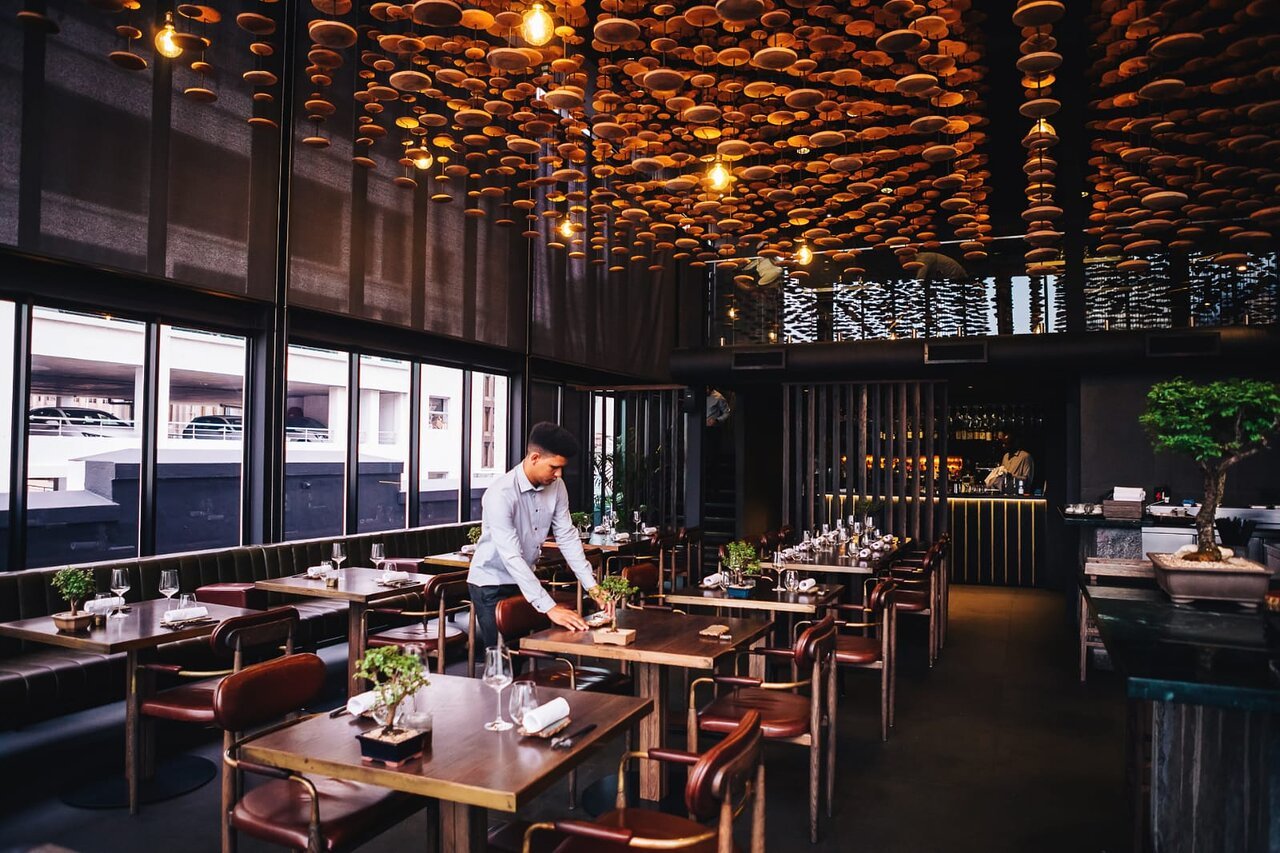
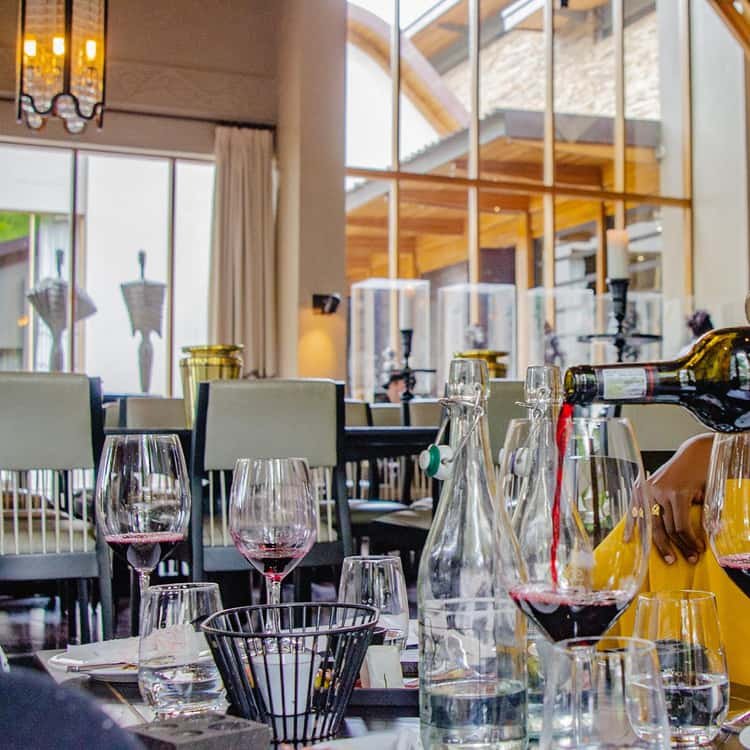
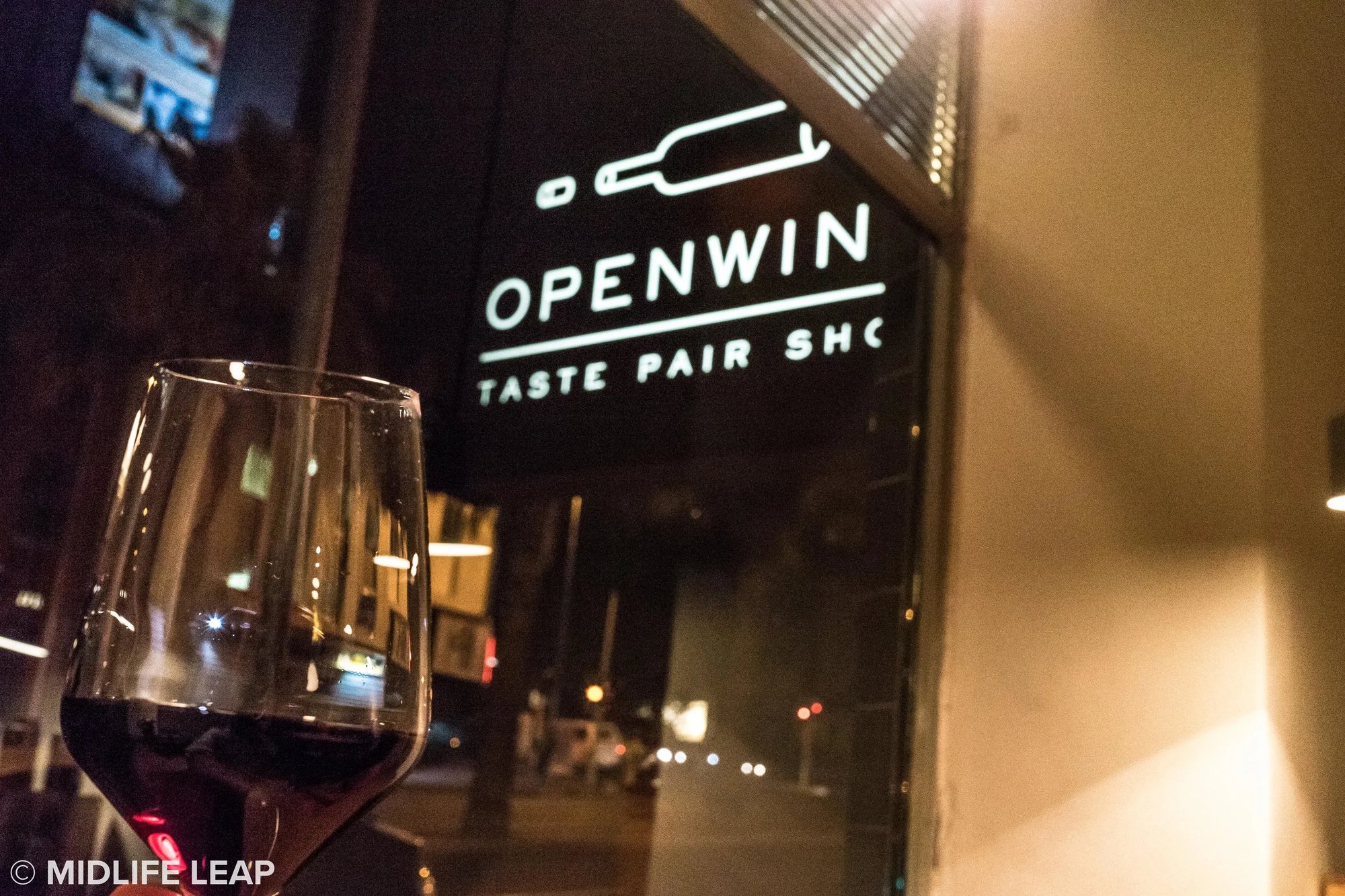
Openwine presents itself as an enoteca first and a bar second, favouring a measured, discovery-led approach to drinking. The room privileges curiosity over throughput: guests browse a list, engage in substantive exchanges with staff and take time with each choice. The narrative links the venue to Italian enoteca traditions, so the tone is classic and thoughtfully sophisticated rather than flashy. Service leans toward guidance and education, and the pacing encourages lingering conversation and tasting. In practice, the space reads as a city-centre refuge for people who want wine to be the evening’s subject rather than mere background.
Best For
This is a spot for people who want to explore wine deliberately: solo visitors who enjoy tasting at their own pace, couples or small groups treating the evening as an occasion to learn, and anyone seeking a more substantive wine-focused outing. The format supports sitting at a counter or a small table and working through the list with staff guidance, so it suits curious drinkers more than high-turnover bar crowds. Located on Wale Street in the City Centre, it works well as an evening destination for those prioritising discovery over speed.
Ordering Tips
Approach Openwine ready to browse and ask questions. Staff expect to guide guests through the list, so say you’re open to trying unfamiliar wines and request recommendations or brief tastings where available. Sitting at the counter encourages a more interactive exchange, while small tables are better for slower shared tasting and conversation. Take your time with the list, mention any regions or styles you already like, and let the staff steer you toward surprises—the house logic rewards curiosity over a predetermined order.
Venue details
Ambiance
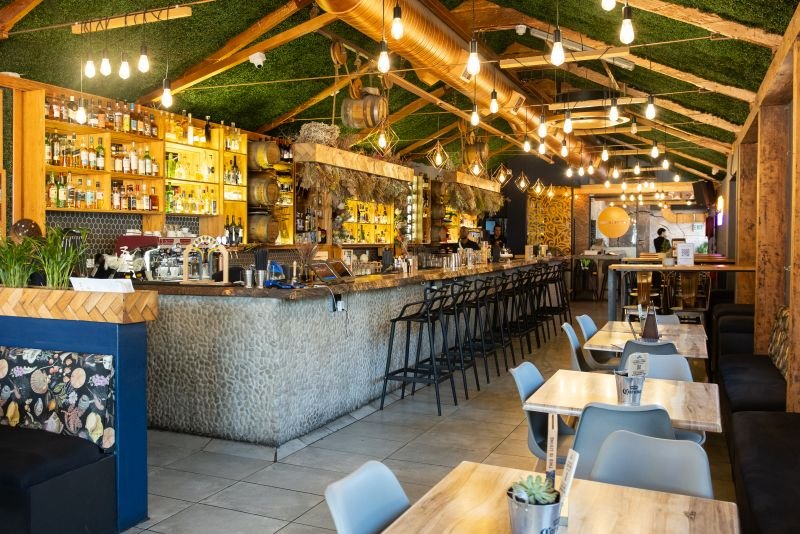
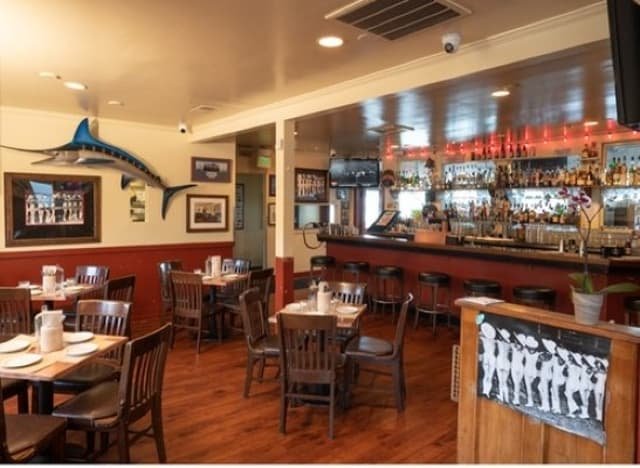
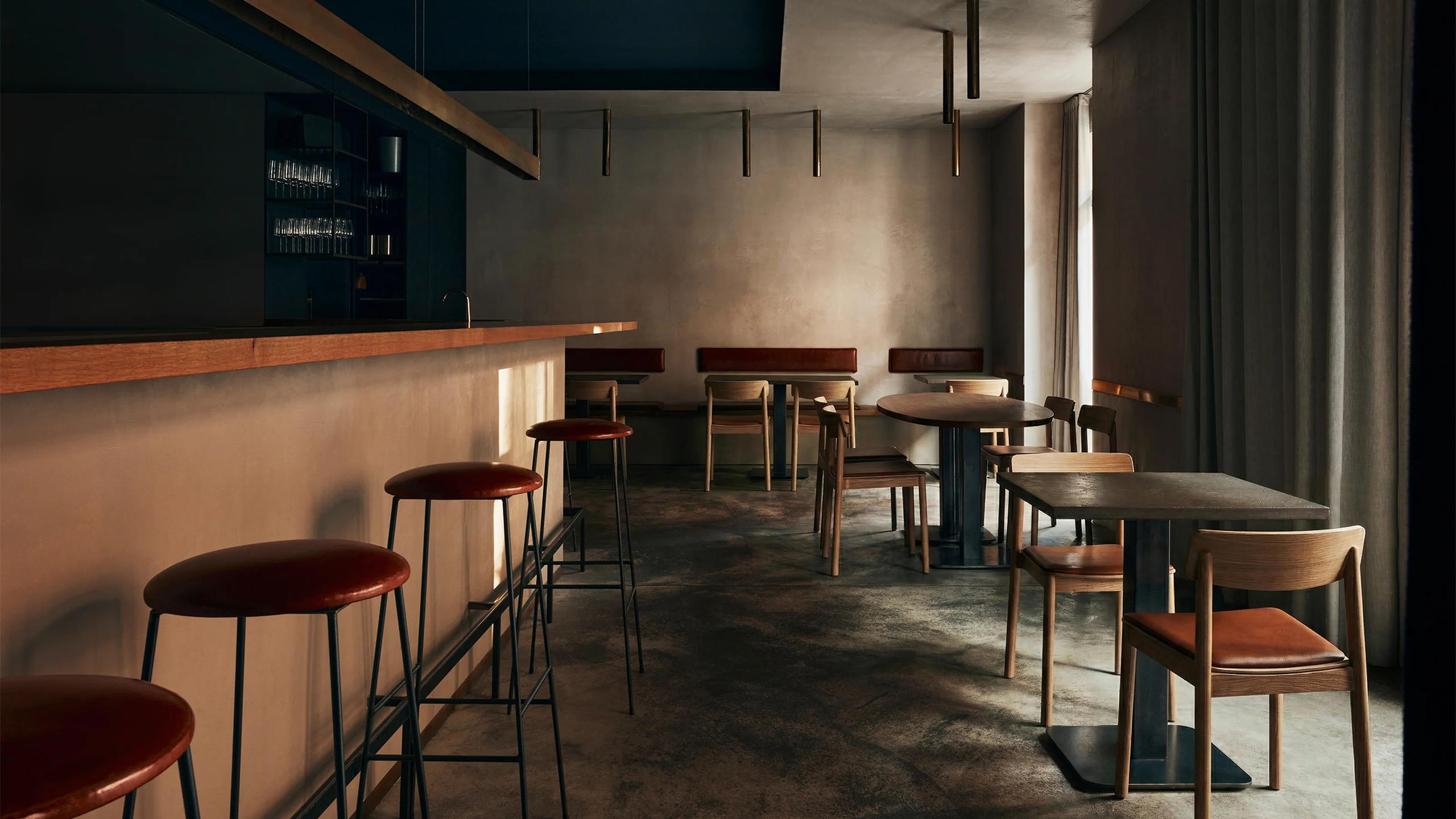
Cozy and warm with rustic decor, wooden furniture, and a lively atmosphere enhanced by live jazz music.
Tags
Vibe
Best For
Experience
Format
View
At the Bar
- Bar Category
- Wine Bar
- Late Night
- Closes by Midnight
- Music
- Jazz
- Live Music
- Yes
Know before you go
Know Before You Go
- Getting there
- 72 Wale St, Cape Town City Centre, Cape Town, 8001, South Africa
Planning details
Location
72 Wale St, Cape Town City Centre, Cape Town, 8001, South Africa · Directions
Recognition and awards

Also consider
Also Consider
- Fable, Notable alternative
- Leo's, Notable alternative
- Akra Bar, Notable alternative
- Culture Wine Bar, Notable alternative
- The Blue Room, Notable alternative
Bar context
How Openwine compares in Cape Town
Openwine is the easier, wine-first choice in this set. Compared with Fable and Akra Bar, it reads as a calmer decision for conversation and bottle-led drinking rather than a more produced cocktail night. If booking friction matters, Openwine is the lower-effort call.
For a wine-specific evening, cross-shop Culture Wine Bar most directly. Culture Wine Bar is the cleaner alternative if the group wants another dedicated wine-bar frame, while Openwine works better when location and ease are the priority. Leo's and The Blue Room make more sense when the evening depends on atmosphere beyond wine alone.
Book Openwine for a low-pressure City Centre drink, Fable or Akra Bar for a more cocktail-led night, Culture Wine Bar for a direct wine-bar comparison, and The Blue Room when the room itself matters more than the bottle list.
Around this place
Discover more on Pearl
Unlock the full Openwine guide in Pearl, including awards, comparisons, FAQs, planning details, and nearby places.
Compare Openwine
| Venue | Location | Awards |
|---|---|---|
| Openwine | Cape Town | Star Wine Lists 2026 |
| Fable | Cape Town | No published awards |
| Leo's | Cape Town | No published awards |
| Akra Bar | Cape Town | No published awards |
| Culture Wine Bar | Cape Town | No published awards |
| The Blue Room | Cape Town | No published awards |
How Openwine Cape Town compares with similar nearby venues.
FAQ
Frequently Asked Questions
Is the food good at Openwine?
The confirmed planning signals are Openwine's Cape Town location, casual dress code, daily hours, and Star Wine List recognition in 2026.
What's the best time to go to Openwine?
Plan around the confirmed hours: Openwine runs 12–11 PM Monday through Saturday and 2–11 PM on Sunday. For any timing-sensitive visit, confirm current details directly with the venue before you go.
Is Openwine good for a date?
It may suit a casual Cape Town date if the priority is a venue with wine recognition and evening hours. The dress code is casual, but details such as seating style, noise level, and reservations are not confirmed here.
Does Openwine have outdoor seating?
Does Openwine have happy hour deals?
No happy-hour information is included in the details. Plan around the confirmed hours, casual dress code, Cape Town location, and Star Wine List recognition instead of assuming promotional pricing.