
Cooper Wine Bar
Mowbray, Cape Town
Bar in Cape Town, South Africa
 Book with Pearl
Why go
Book Cooper Wine Bar if the brief is a focused Sea Point wine night rather than a full dinner or high-energy bar stop. Its 2026 Star Wine List recognition is the key reason to trust it, especially for couples or small groups who want conversation and wine to drive the evening.
About Cooper Wine Bar
Cooper Wine Bar is a Cape Town venue with evening service from Tuesday to Sunday and a smart-casual dress code. It has Star Wine List 2026 recognition, making it a focused evening option to plan with a practical frame. Check finer details such as menu format, cuisine, prices, seating, booking policy, and service style before you build the whole night around it.
The useful reset is expectation. Treat Cooper Wine Bar as a Cape Town evening option, and do not build a plan around details such as lunch service, a specific food offering, late-night hours, or a particular room format unless the venue confirms them directly. This is especially important if the occasion depends on logistics, group comfort, or a particular kind of meal. If you are comparing different kinds of nights out, Tiger's Milk Long Street, Daddy Cool Bar, Taj Lobby Bar and Lounge, Pavement Special, and Lunacy are other names to consider depending on the brief.
Choose it for evening service
The strongest reasons to consider Cooper Wine Bar are simple: it is in Cape Town, it operates Tuesday to Sunday from 6–10 PM, the dress code is smart casual, and it has Star Wine List recognition for 2026. Those details make it easier to plan an evening visit while leaving menu, prices, seating, and atmosphere to direct confirmation. In practical terms, the venue is clearest as an after-work or evening stop within that stated window, rather than as a place to assume will cover every possible dining or drinking scenario.
For someone planning a return visit, keep the plan flexible and anchored to the stated hours. Avoid assuming lunch, late-night service, take-out, delivery, a particular cuisine, or a specific booking format unless the venue confirms those details directly. The smart-casual dress code is also worth taking at face value: plan for something polished enough for an evening venue, without reading more into the setting than necessary. For broader planning, use Our full Cape Town bars guide, Our full Cape Town restaurants guide, Our full Cape Town hotels guide, Our full Cape Town wineries guide, and Our full Cape Town experiences guide to build the rest of the night around it.
Who will fit in, and who should book elsewhere
Cooper Wine Bar is best considered by guests who want a Cape Town evening venue and are comfortable with a smart-casual setting. The schedule is narrow: Tuesday through Sunday, 6–10 PM, with Monday closed. That makes timing the main planning constraint. It will suit planners who do not need a lunch slot and who are comfortable checking any remaining details directly rather than relying on assumptions.
If the plan depends on details such as a specific food menu, a larger group setup, happy hour deals, or late-night service, confirm directly before committing. The same applies if the occasion has little room for uncertainty. For a different Cape Town option, compare Cooper Wine Bar with Tiger's Milk Long Street, Daddy Cool Bar, Taj Lobby Bar and Lounge, Pavement Special, or Lunacy.
Planning details
- Location
- 315 Main Road, Sea Point, Cape Town
- Website
- cooperwinebar.co.za
- Phone
- +27 081 703 2214
The take
The Take
The Vibe
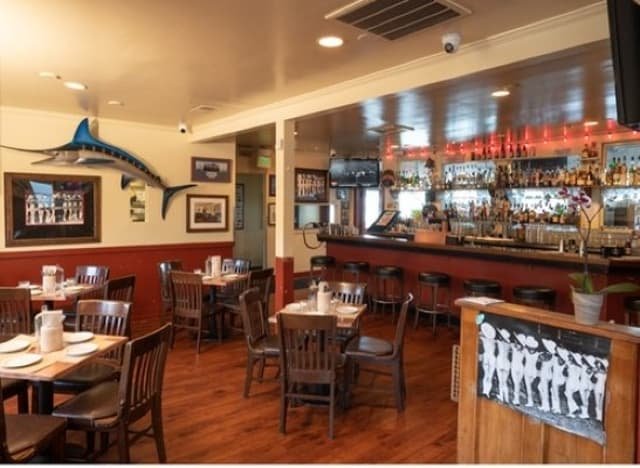
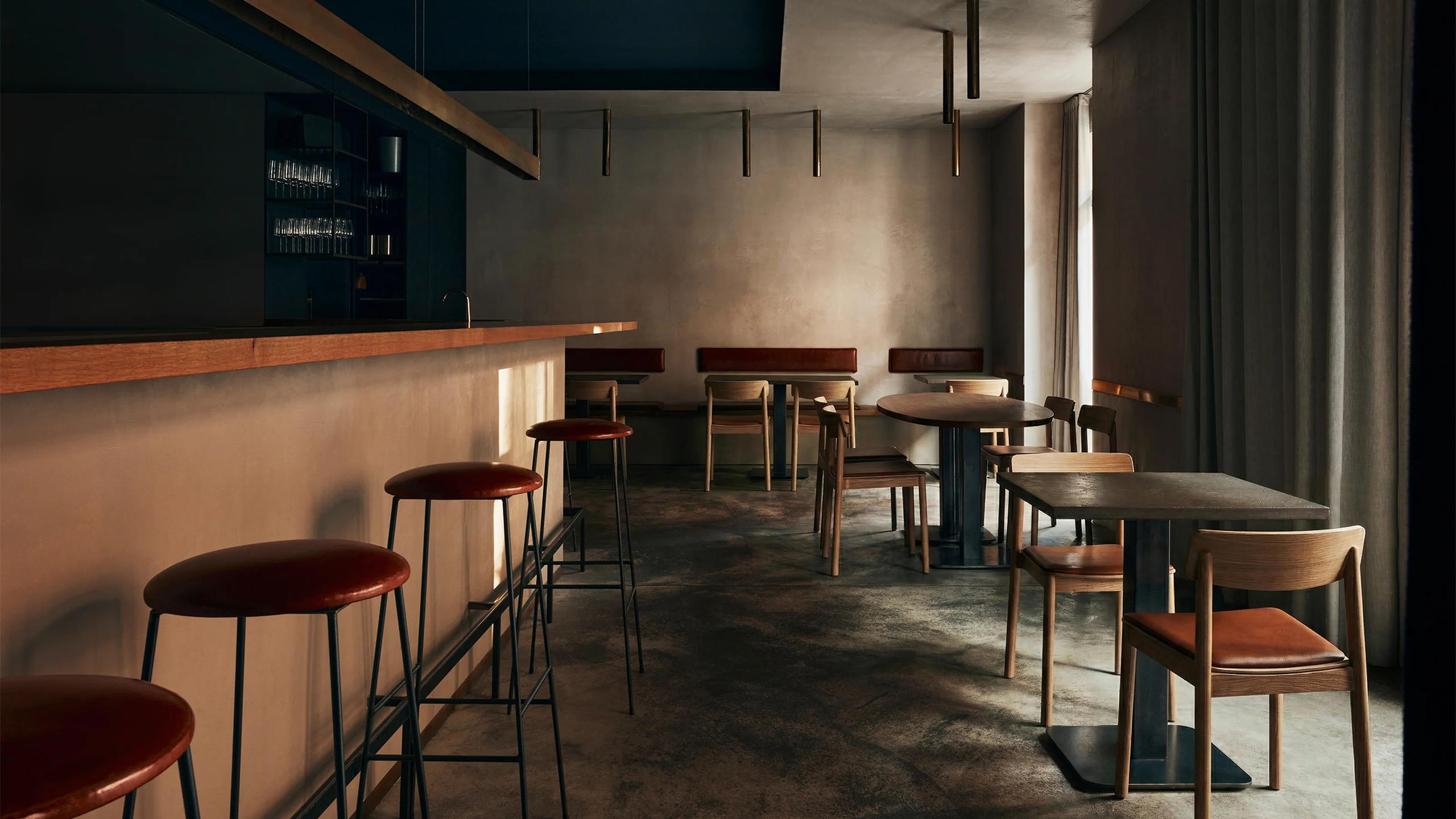
Cooper Wine Bar reads like a local room rather than a stage. It sits on Sea Point’s busy Main Road and draws the people who live within walking distance, so the energy is neighborhood-first: relaxed, unpretentious and quietly deliberate. The bar’s character is shaped as much by the street life outside as by the bottles on the shelf, which keeps the mood familiar rather than performative. You feel like you’ve stepped into a resident hangout where the goal is a well-chosen glass and easy conversation, not a dressed-up night out or a theatrical scene.
Best For
This is a neighbourhood wine bar that works best for nearby residents and anyone after work who wants a thoughtful glass without fuss. It’s ideal for low-key dates, solo sips, and small groups who prefer conversation over spectacle — not for tourists chasing sunset views or club-style nightlife. Because Cooper leans local rather than destination, it suits repeat visits: stop in on your way home, linger over a bottle with a friend, or make it the spot for a quiet catch-up. The register stays conversational and approachable throughout.
Ordering Tips
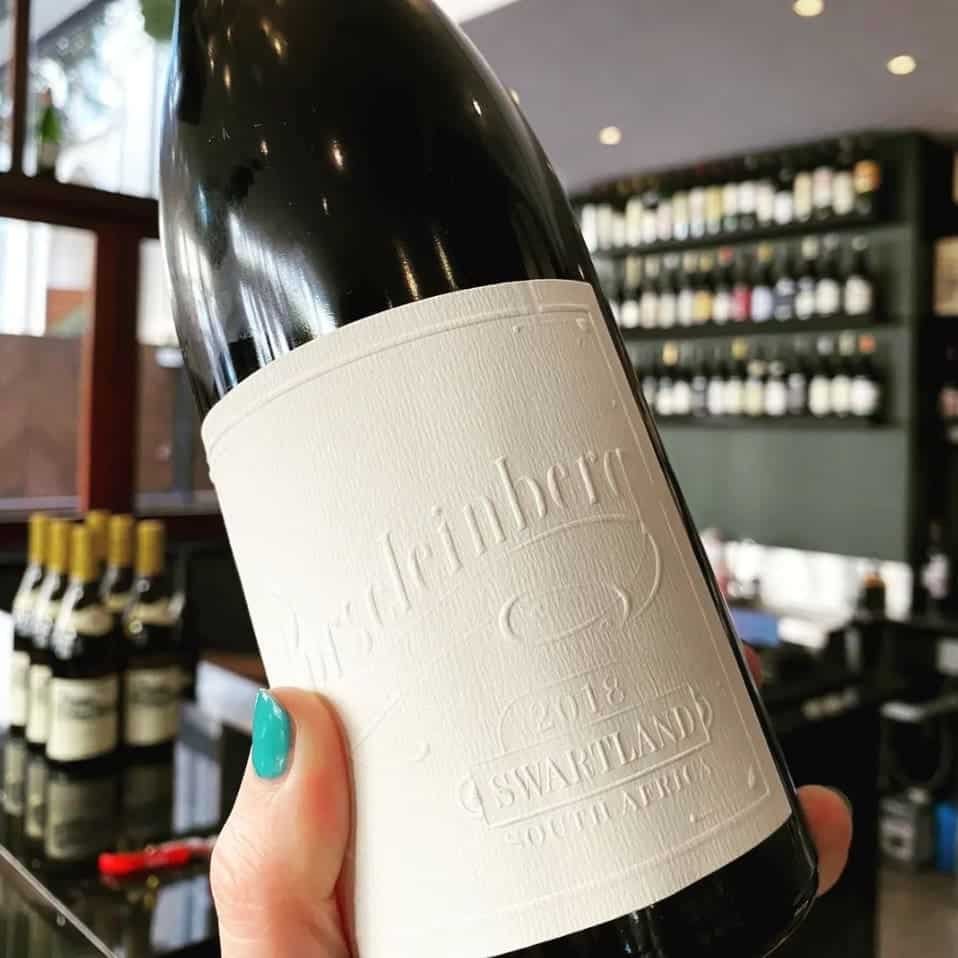
Cooper emphasizes South African producers, so start by asking the staff for local recommendations — the write-up specifically names Swartland Chenin and Hemel-en-Aarde Pinot Noir as typical options. The venue operates as a hybrid of a specialist bottle shop and a bar, which means you can often order by the glass to explore and then take a bottle away if you want more. Tell the server the styles you enjoy (white vs. lighter red, crisp vs. textured) and they’ll point you to regional labels that map to those preferences.
Venue details
Ambiance
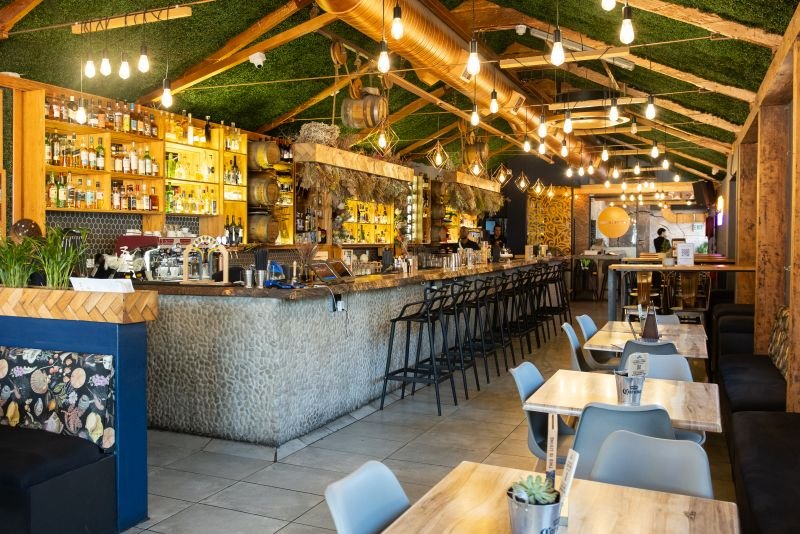
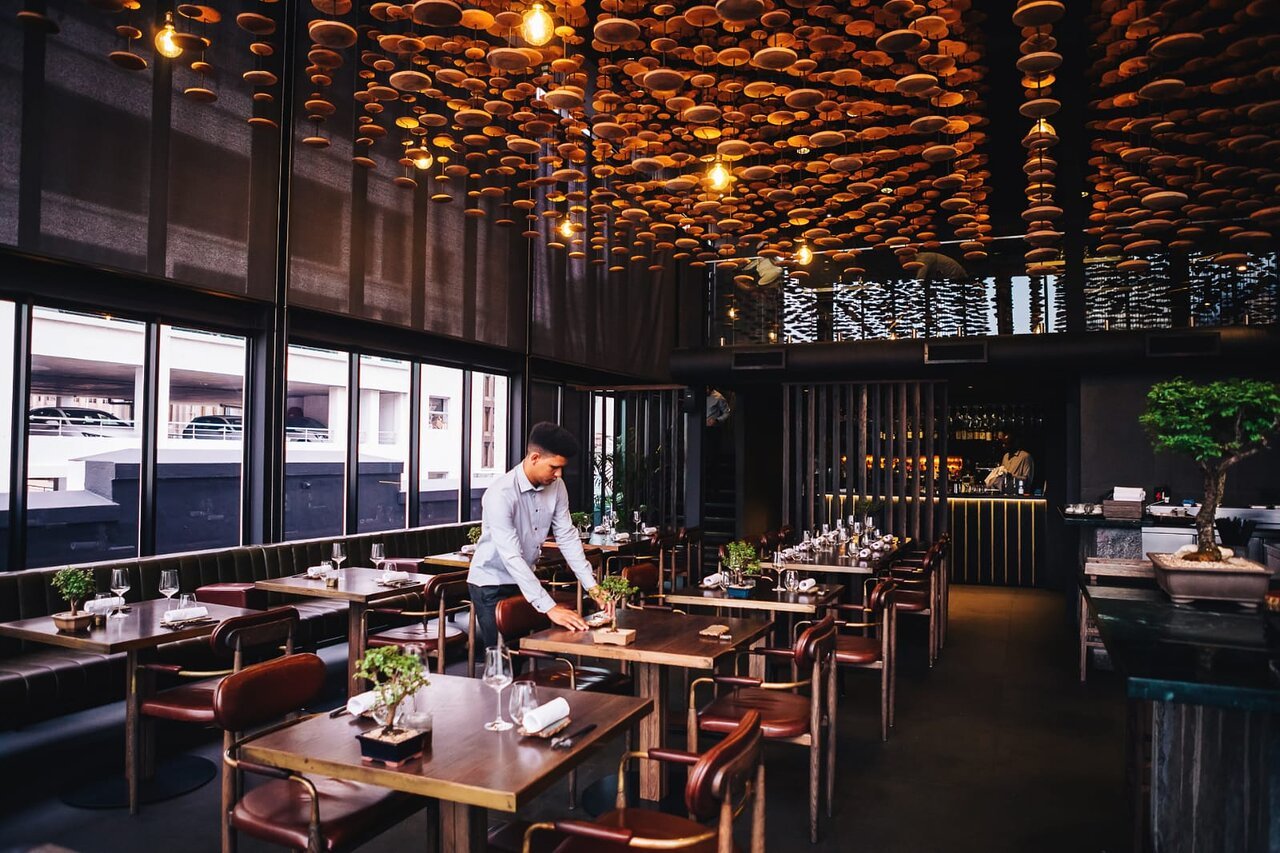
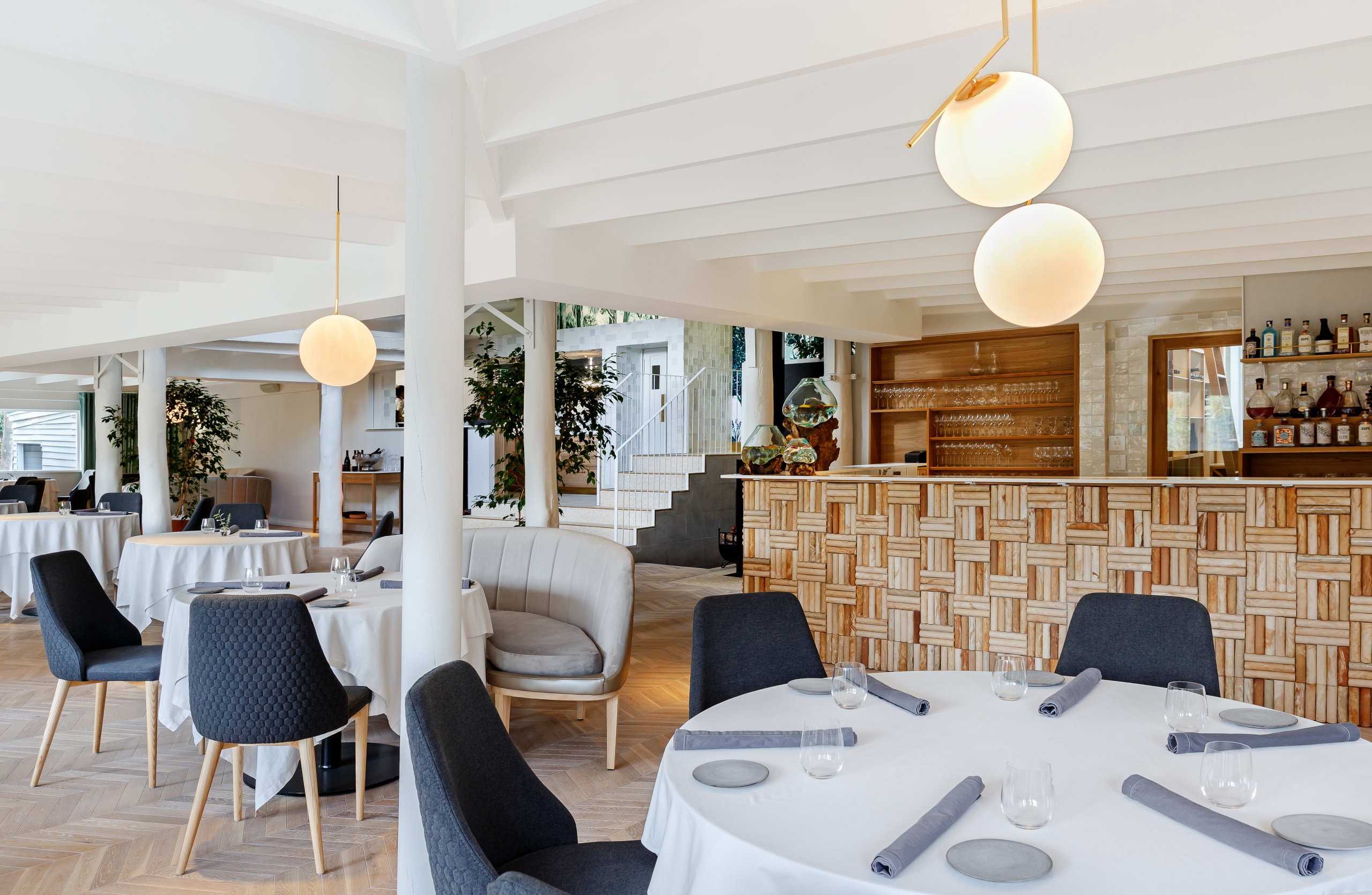
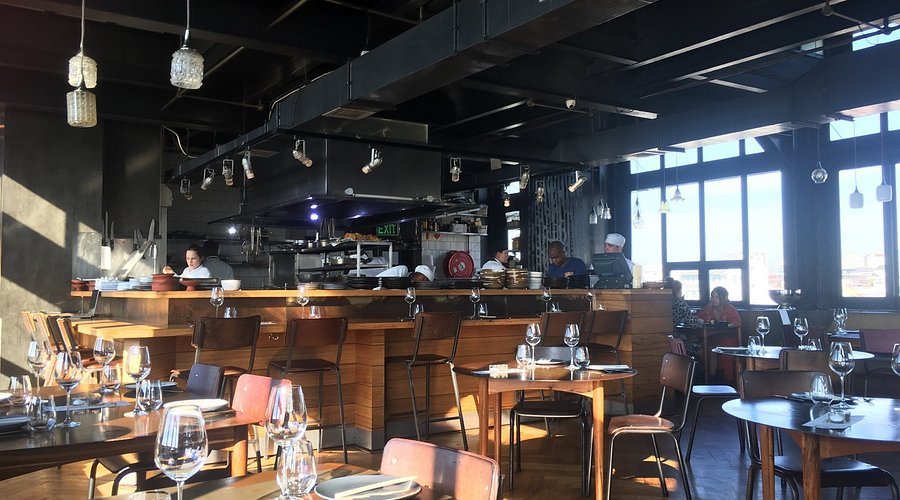
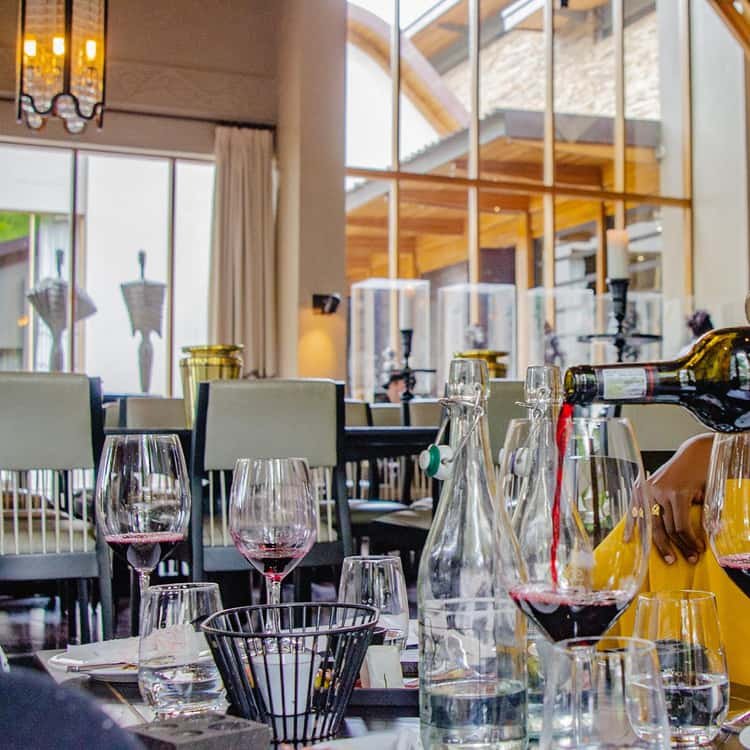
Cosy and sophisticated atmosphere perfect for relaxed wine exploration.
Tags
Vibe
Best For
Experience
Format
At the Bar
- Bar Category
- Wine Bar
- Late Night
- Closes by Midnight
Know before you go
Know Before You Go
- Getting there
- 315 Main Road, Sea Point, Cape Town
Planning details
Location
Recognition and awards

Also consider
Where to go if Cooper Wine Bar is not the fit
Pick Taj Lobby Bar and Lounge if the night needs a more formal hotel setting. Pick Tiger's Milk Long Street if the group wants a louder, more casual Cape Town bar night.
Bar context
How Cooper Wine Bar compares in Cape Town
Choose Cooper Wine Bar when wine quality is the deciding factor. Its Star Wine List recognition gives it a clearer wine-specific signal than Pavement Special, Lunacy, Daddy Cool Bar, and Tiger's Milk Long Street, where the decision is more likely to come down to mood, crowd, and convenience than list depth.
For a calmer, more polished hotel setting, Taj Lobby Bar and Lounge is the cleaner cross-shop. For a livelier social night, Daddy Cool Bar or Tiger's Milk Long Street is the safer bet. Pavement Special and Lunacy are better considered when the group wants a more casual bar choice and the wine list is not the main event.
Booking difficulty is marked easy for Cooper Wine Bar, which makes it useful when a Sea Point plan needs less friction. The trade-off is scope: if the night needs cocktails, a broader food plan, or a louder room, one of the peers will fit better. If the night is about wine and conversation, Cooper is the more focused pick.
Around this place
Discover more on Pearl
Unlock the full Cooper Wine Bar guide in Pearl, including awards, comparisons, FAQs, planning details, and nearby places.
Compare Cooper Wine Bar
| Venue | Location | Awards |
|---|---|---|
| Cooper Wine Bar | Cape Town | Star Wine Lists 2026 |
| Pavement Special | Cape Town | No published awards |
| Lunacy | Cape Town | No published awards |
| Taj Lobby Bar and Lounge | Cape Town | No published awards |
| Daddy Cool Bar | Cape Town | No published awards |
| Tiger's Milk Long Street | Cape Town | No published awards |
How Cooper Wine Bar Cape Town compares with similar nearby venues.
FAQ
Frequently Asked Questions
Do I need a reservation at Cooper Wine Bar?
Check directly with the venue for its reservation policy. Cooper Wine Bar's hours are Tuesday to Sunday, 6–10 PM, with Monday closed, so confirm before planning around a specific time.
Does Cooper Wine Bar have happy hour deals?
Check directly with Cooper Wine Bar for current happy hour details. Its schedule shows evening service from 6–10 PM, Tuesday to Sunday. If deals matter to your plan, confirm with the venue or compare with other Cape Town options such as Daddy Cool Bar and Taj Lobby Bar and Lounge.
Is Cooper Wine Bar good for a date?
Cooper Wine Bar may suit an evening plan in Cape Town if the hours and smart-casual dress code fit what you want. Confirm atmosphere, seating, and booking details directly if those details matter.
Is Cooper Wine Bar good for groups?
For group planning, check directly with the venue. Cooper Wine Bar is in Cape Town, opens Tuesday to Sunday from 6–10 PM, is closed Monday, and has a smart-casual dress code.
Is the food good at Cooper Wine Bar?
Check directly with Cooper Wine Bar for food details, cuisine type, menu format, and pricing. Its core planning details are its Cape Town location, evening hours, smart-casual dress code, and Star Wine List 2026 recognition.