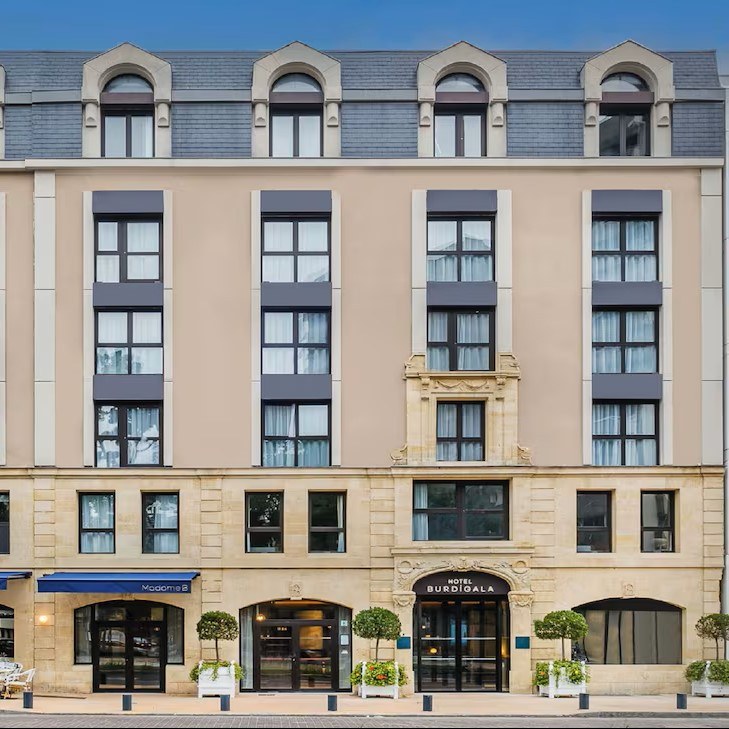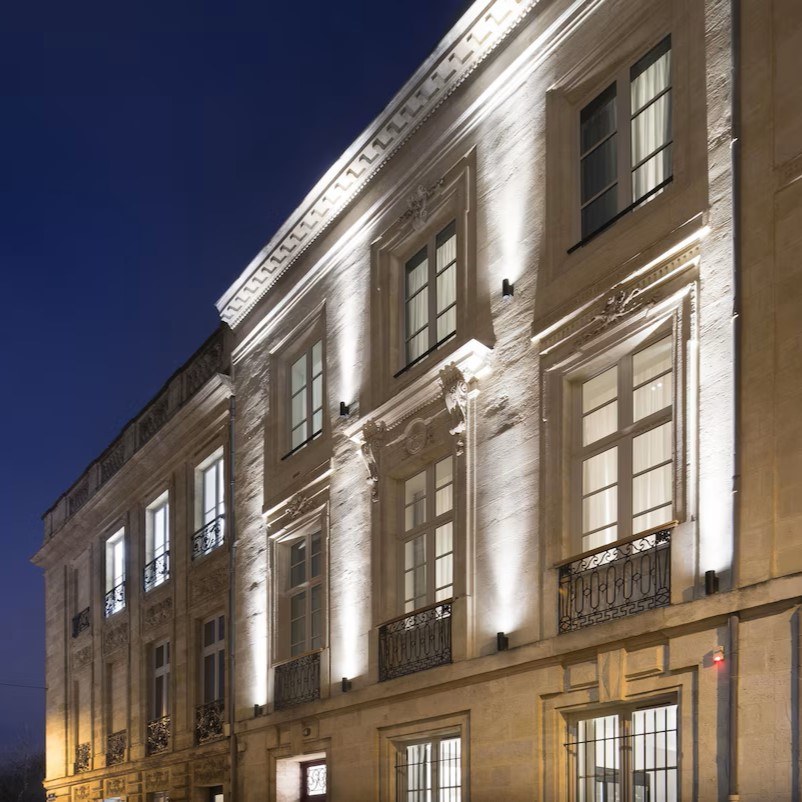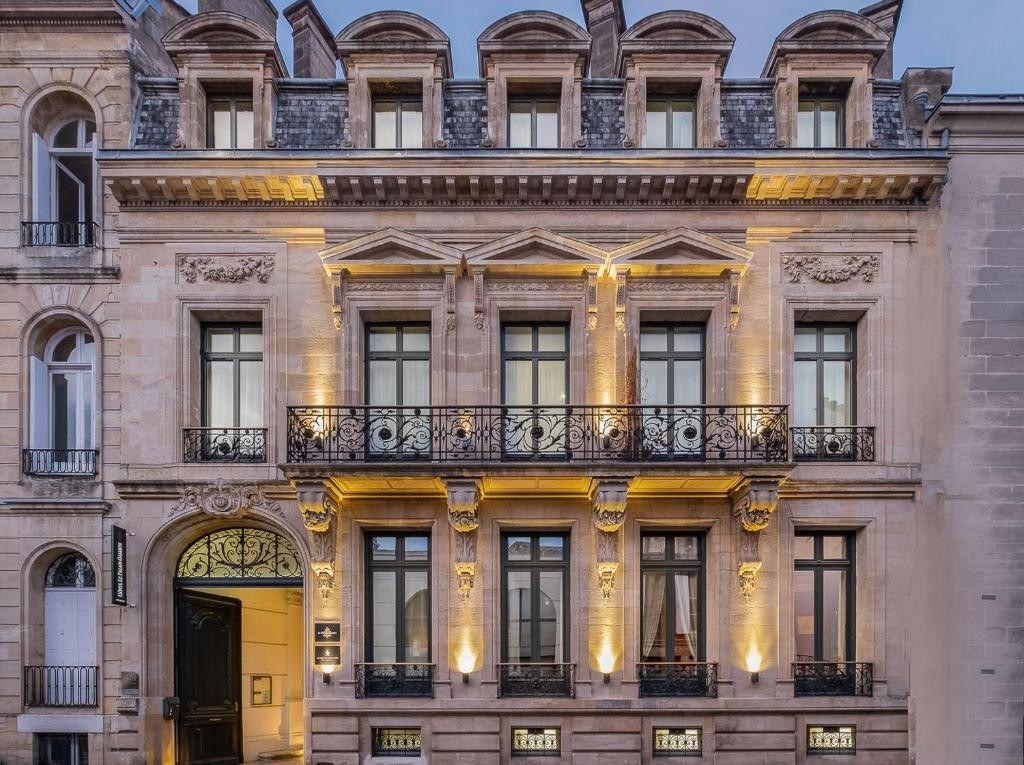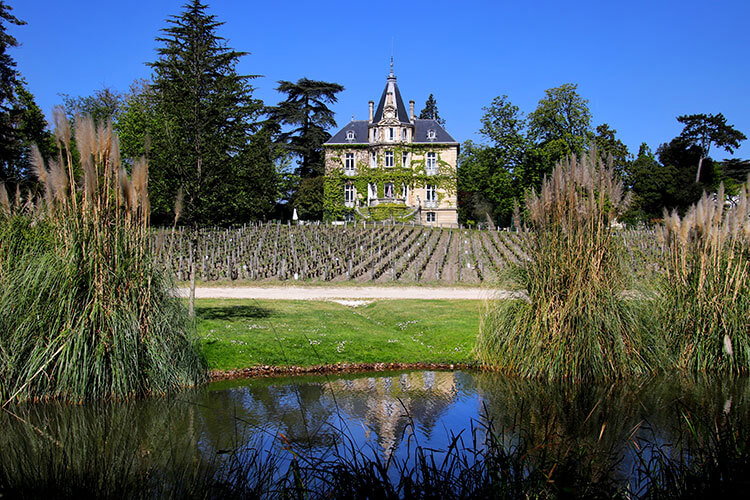
Le Ferdinand
Chartrons - Grand Parc - Jardin Public, Bordeaux
Bar in Bordeaux, France
 Book with Pearl
Why go
Le Ferdinand is worth considering for an easy Bordeaux date night when flexibility matters more than a documented destination cocktail or food program. The appeal is practical: central address, daily evening hours, and low booking pressure. For wine-depth or a more researched bar crawl, compare it with Bordeaux peers before making it the main event.
About Le Ferdinand
Is Le Ferdinand worth considering in Bordeaux? It can be a practical evening option if the basics fit your plans: it is listed in Bordeaux, opens daily from 6 PM to 12 AM, and has a smart casual dress code. Beyond those points, it is best to avoid planning around specific details such as a food program, drinks list, service format, price, or exact location.
A better fit for simple evening planning than detail-driven research
The strongest reason to consider Le Ferdinand is its daily evening schedule. Being open Monday through Sunday from 6 PM to 12 AM makes it easier to include in an evening plan than venues with more restricted hours. The smart casual dress code also gives a useful planning signal without requiring assumptions about the venue's menu, seating, or service style.
Do not visit expecting a documented chef-led food program, named signature drinks, or award-backed credentials. The smarter read is to treat Le Ferdinand as a Bordeaux evening venue with limited public detail rather than a research-driven dining stop. If you are comparing options, other names to consider include Symbiose, Bar Casa Bordeaux, Le Sobre Chartrons, Papillon, and YARRA, alongside other venues.
Use it as a simple Bordeaux anchor, not the whole itinerary
For planning, keep the basics front and center: Le Ferdinand is in Bordeaux, opens every day from 6 PM to 12 AM, and lists smart casual dress. A broader Bordeaux restaurants guide, Bordeaux hotels guide, Bordeaux wineries guide, and Bordeaux experiences guide may be more useful if the trip needs a full structure.
Within Bordeaux, Le Ferdinand makes sense when the daily evening hours and smart casual dress code suit your plans. For anything more specific, such as menu details, seating, dietary accommodations, or private-group logistics, check the venue's own channels before committing.
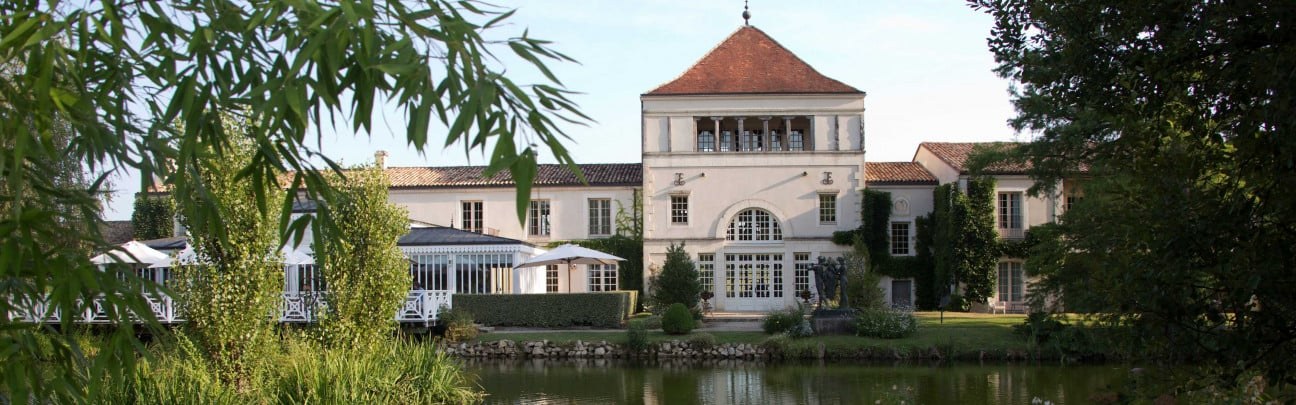
Located inside
 HotelVillas FochFull hotel guide
Planning details
- Location
- 25 Cr du Maréchal Foch, 33000 Bordeaux, France
- Website
- villasfoch.fr/fr/bar-a-cocktail-vin-spiritueux
- Phone
- +33 5 64 31 22 50
The take
The Take
The Vibe
Le Ferdinand reads as a thoughtful, mid-scale cocktail bar that sits between Bordeaux’s wine-bar past and a more technically minded cocktail present. The room signals deliberate drinking—less for passing tourists and more for people who linger—anchored by its street-level presence on the wide, tree-lined Cours du Maréchal Foch. Rather than extremes of hotel formality or scrappy neighbourhood experimentation, the address projects a composed confidence: polished service and craft-forward drinks delivered in a measured, modern setting that still honors the city’s classic drinking traditions.
Best For
This is a bar for deliberate drinkers: after-work professionals, informed visitors and small groups who want considered cocktails rather than noisy, transient nightlife. Its placement on Cours du Maréchal Foch makes it a destination for people escaping the city’s more tourist-facing pockets, and the program appeals to those who appreciate technique and balance. It works well for relaxed date nights or quiet celebrations where the focus is on the drinks and the conversation, rather than a late-night party scene.
Ordering Tips
Approach the program expecting crafted, technique-driven cocktails rather than simple highballs. Ask the bartenders about their current signatures or seasonal pieces—writing emphasizes a technically oriented cocktail programme—so staff recommendations are a good way to navigate the menu. Given the bar’s positioning for after-work professionals and deliberate drinkers, opt for thoughtful serves you can sip slowly rather than rounds of quick drinks; that aligns with the venue’s measured, craft-focused approach.
Venue details
Ambiance
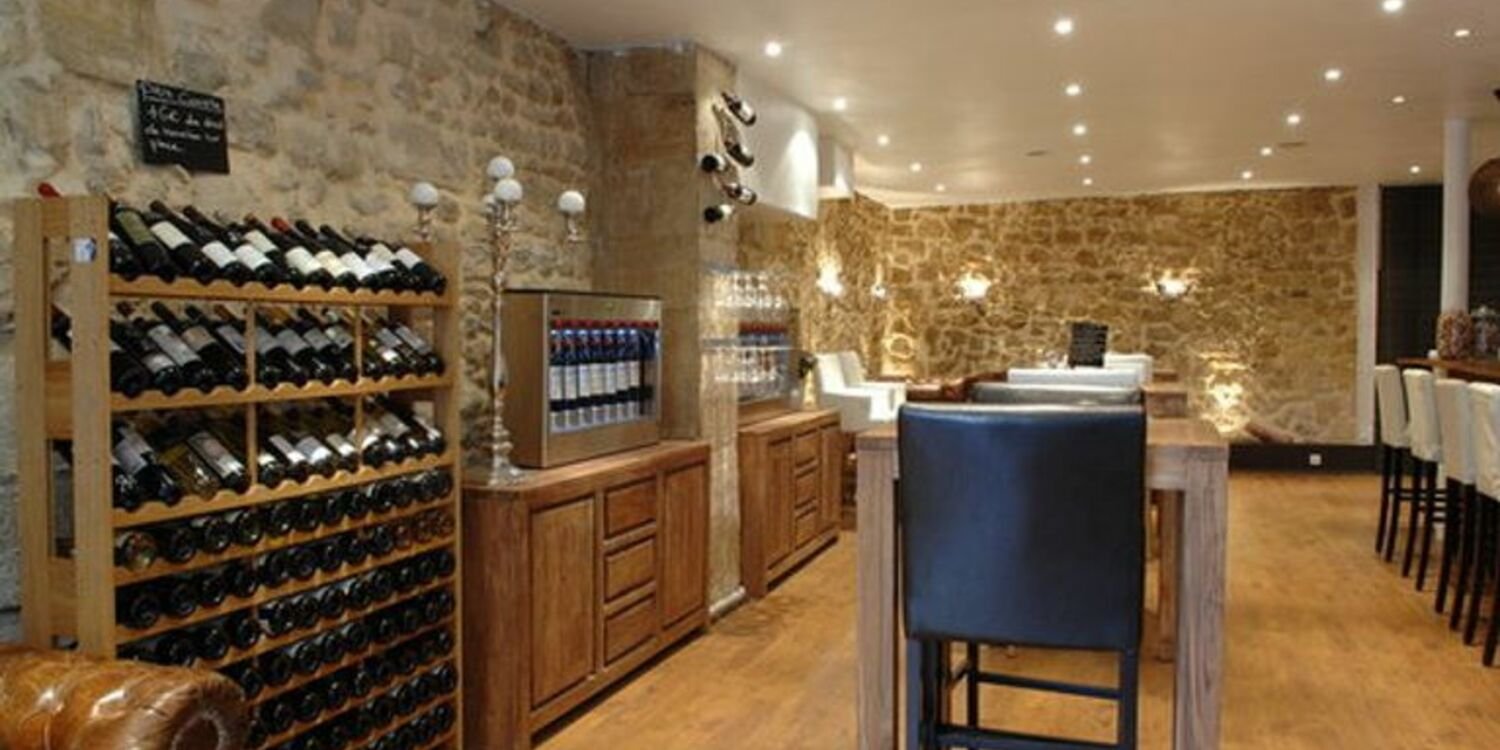
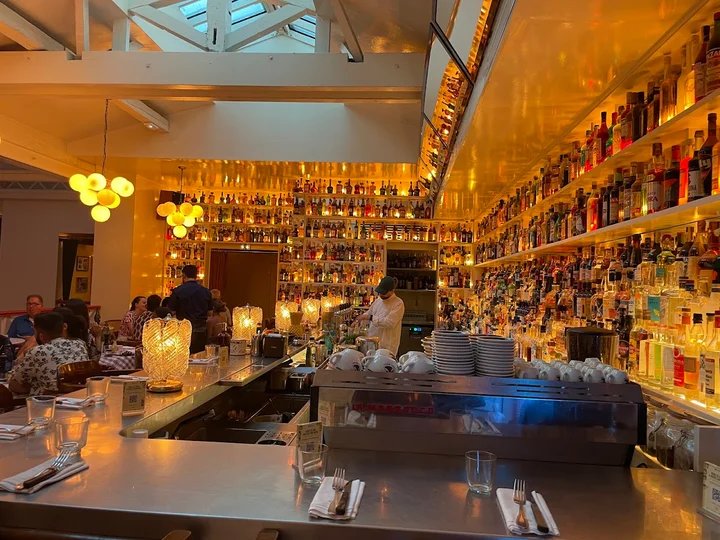
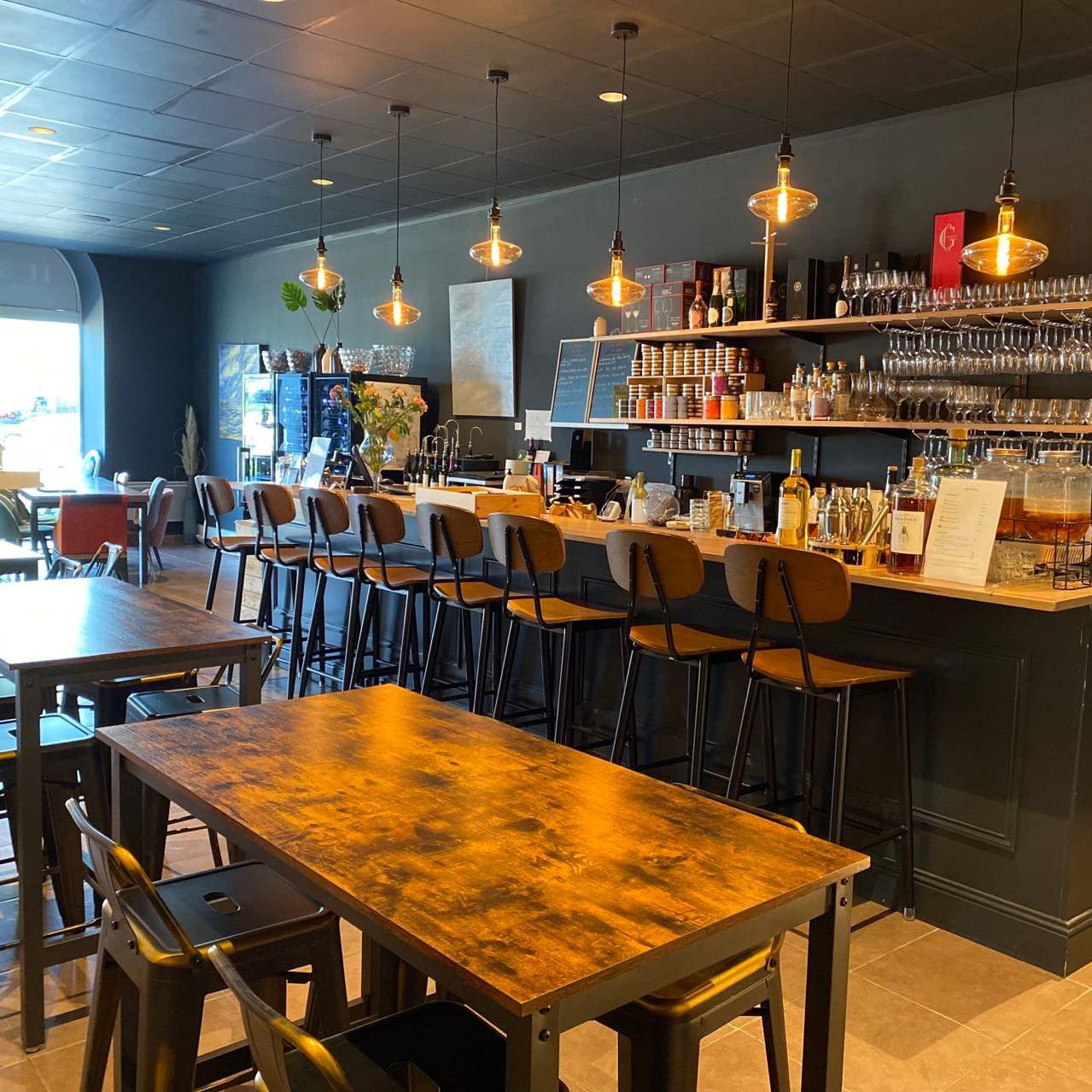
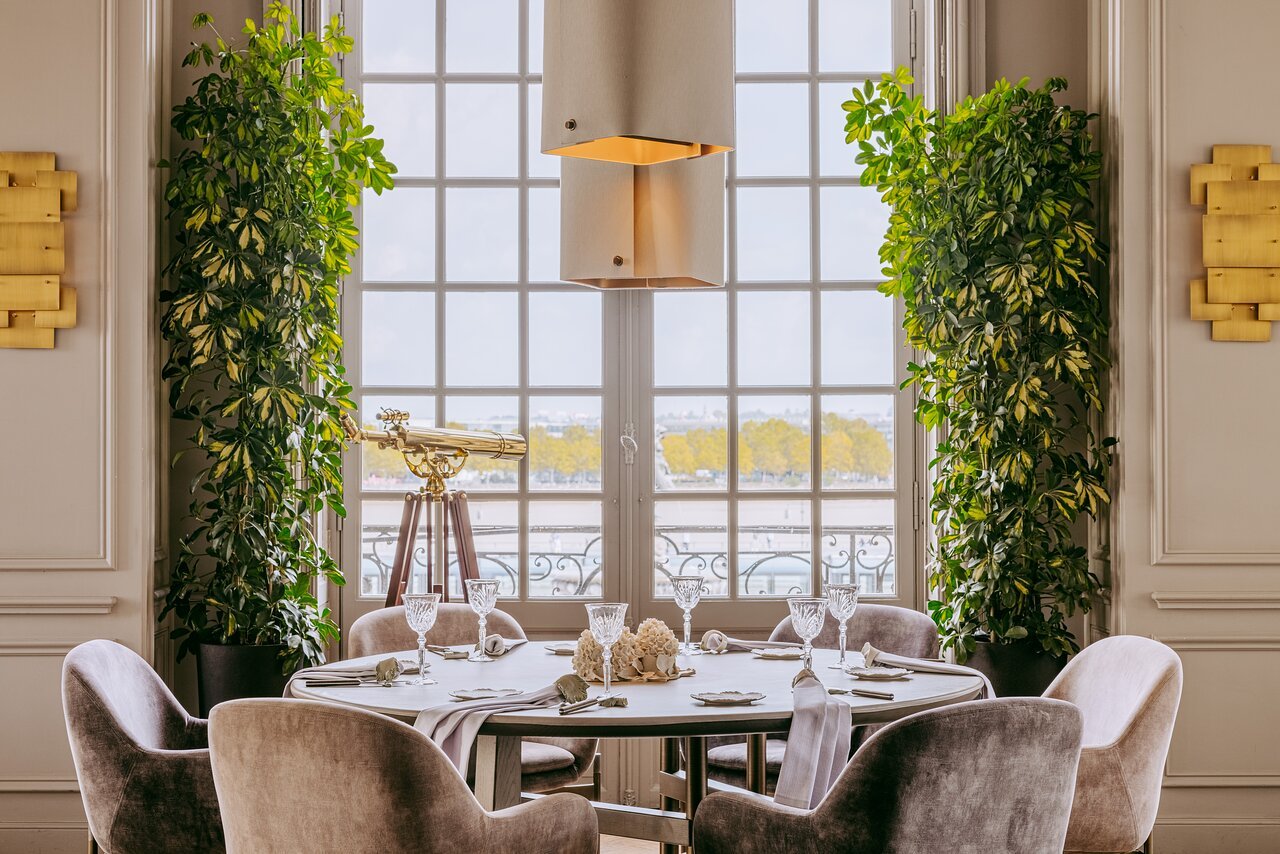
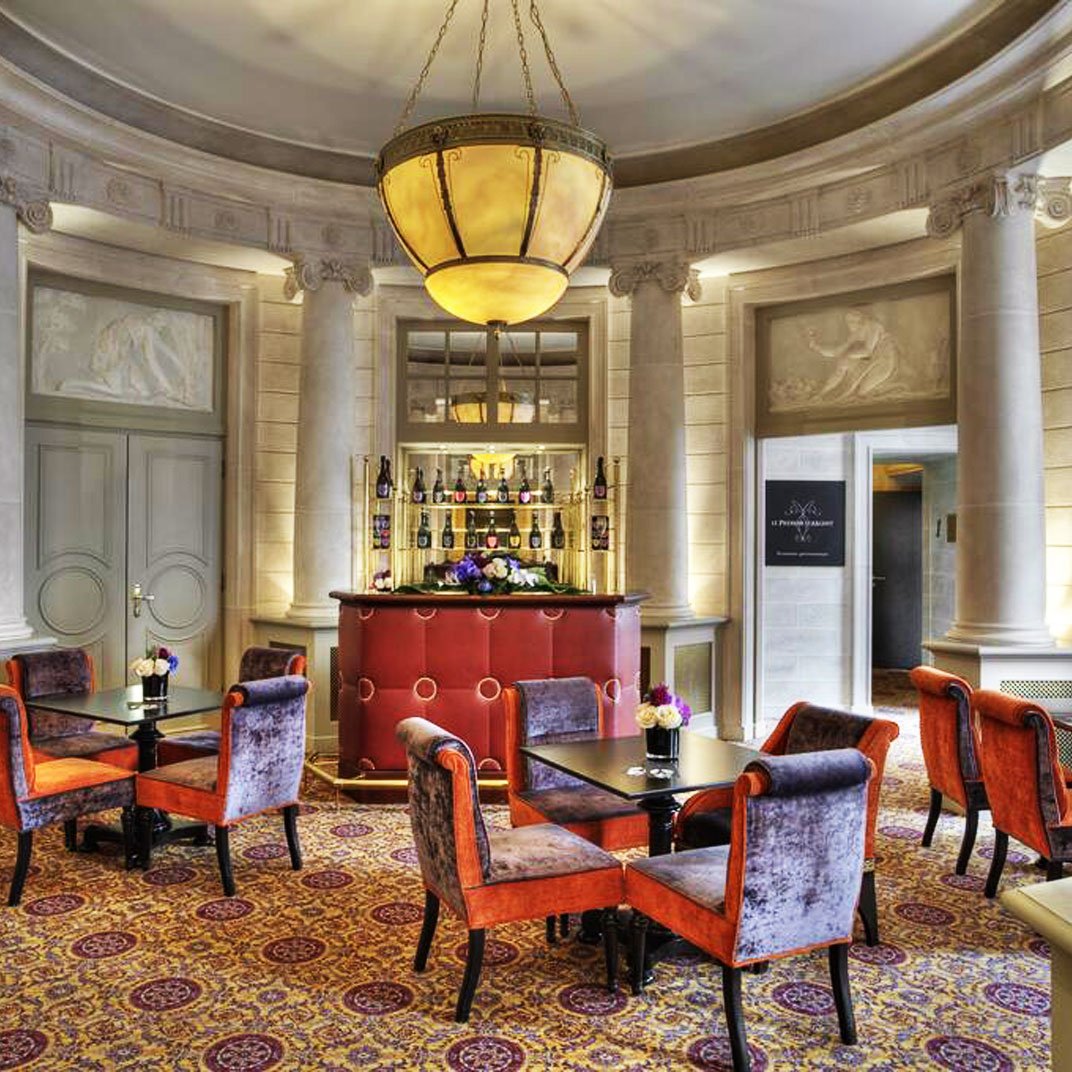
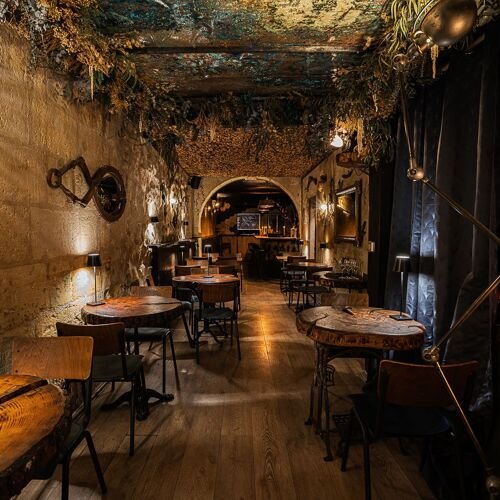
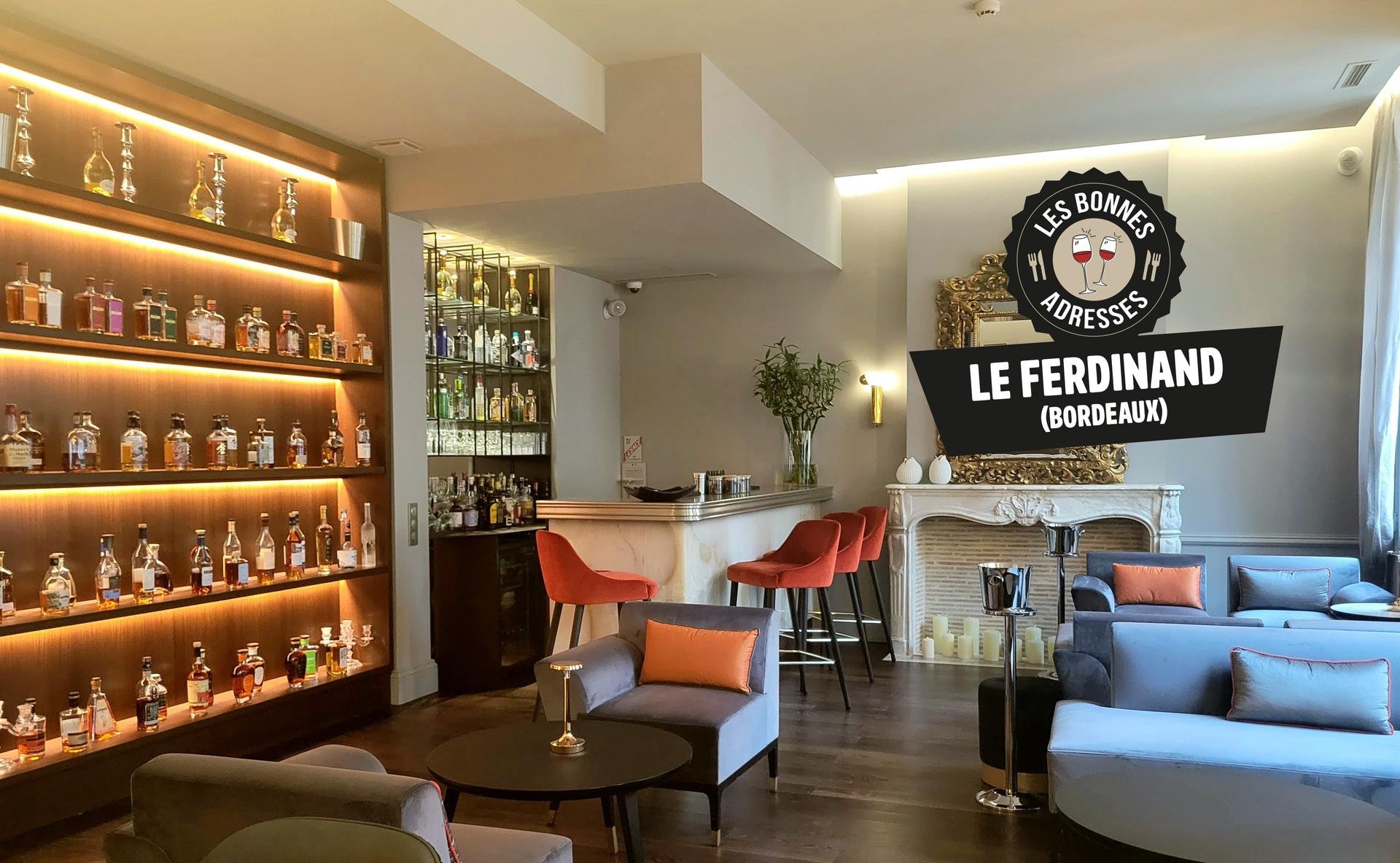
Warm and intimate with soft lighting from a period marble fireplace, onyx and zinc bar, library ambiance, and comfortable furnishings creating a sumptuous bourgeois residence atmosphere.
Tags
Vibe
Best For
Experience
Format
View
At the Bar
- Bar Category
- Cocktail Bar
- Late Night
- Closes by Midnight
- Music
- Classical Music in Morning, Jazz in Evening
- Live Music
- Yes
Signature Pours
Vieux Carré
Know before you go
Know Before You Go
- Getting there
- 25 Cr du Maréchal Foch, 33000 Bordeaux, France
Planning details
Location
25 Cr du Maréchal Foch, 33000 Bordeaux, France · Directions
Also consider
If this is not the right fit
If Le Ferdinand is full or the night needs more momentum, try Bar Casa Bordeaux for a livelier alternative. If the plan points toward Chartrons, Le Sobre Chartrons is the cleaner backup.
Bar context
How Le Ferdinand Compares in Bordeaux
Choose Le Ferdinand when ease is the priority. Against YARRA, Symbiose, and Papillon, its clearest advantage is booking friction: it is the safer pick for a same-week or low-planning evening, especially for two people who want a simple Bordeaux night rather than a venue-led occasion.
If the decision is about ambiance, the better choice depends on the night's structure. Le Sobre Chartrons is the more obvious cross-shop for readers looking toward Chartrons, while Bar Casa Bordeaux is the comparison to make when the evening needs more energy. Le Ferdinand is the calmer utility pick: easier to slot into a plan, less persuasive as the sole reason to go out.
Value is hard to judge without a confirmed price range, so do not treat this as a splurge recommendation. Treat it as a practical bar booking in Bordeaux: good when convenience, timing, and a two-person setup matter; less compelling if the night needs awards, a named drinks program, or a clearly defined food identity.
Around this place
Discover more on Pearl
Unlock the full Le Ferdinand guide in Pearl, including awards, comparisons, FAQs, planning details, and nearby places.
Compare Le Ferdinand
| Venue | Location | Awards |
|---|---|---|
| Le Ferdinand | Bordeaux | No published awards |
| YARRA | Bordeaux | No published awards |
| Symbiose | Bordeaux | No published awards |
| Papillon | Bordeaux | No published awards |
| Le Sobre Chartrons | Bordeaux | No published awards |
| Bar Casa Bordeaux | Bordeaux | No published awards |
How Le Ferdinand Bordeaux compares with similar nearby venues.
FAQ
Frequently Asked Questions
Does Le Ferdinand have outdoor seating?
Outdoor seating is not mentioned. The confirmed details are that Le Ferdinand is in Bordeaux and is open daily from 6 PM to 12 AM.
Is Le Ferdinand good for a date?
It may work for a date if the basics suit your plans: Le Ferdinand is in Bordeaux, opens every day from 6 PM to 12 AM, and has a smart casual dress code. Specific details about atmosphere, seating, or menu are not mentioned.
Is Le Ferdinand good for groups?
Group suitability is not mentioned. The useful planning detail is the daily 6 PM to 12 AM schedule; for group arrangements, check directly with the venue.
What's the crowd like at Le Ferdinand?
The crowd profile is not mentioned. Plan using the basic facts only: Le Ferdinand is a Bordeaux venue with daily 6 PM–12 AM hours and a smart casual dress code.
Is Le Ferdinand open late?
Yes. Le Ferdinand is open every day from 6 PM to 12 AM.
What's the best time to go to Le Ferdinand?
The best time is not specified. The opening window is daily from 6 PM to 12 AM, so choose a time within that range and confirm directly with the venue if timing matters.