
Bar in Berlin, Germany
Restaurant Jolesch
100ptsViennese Tradition, Kreuzberg Pace
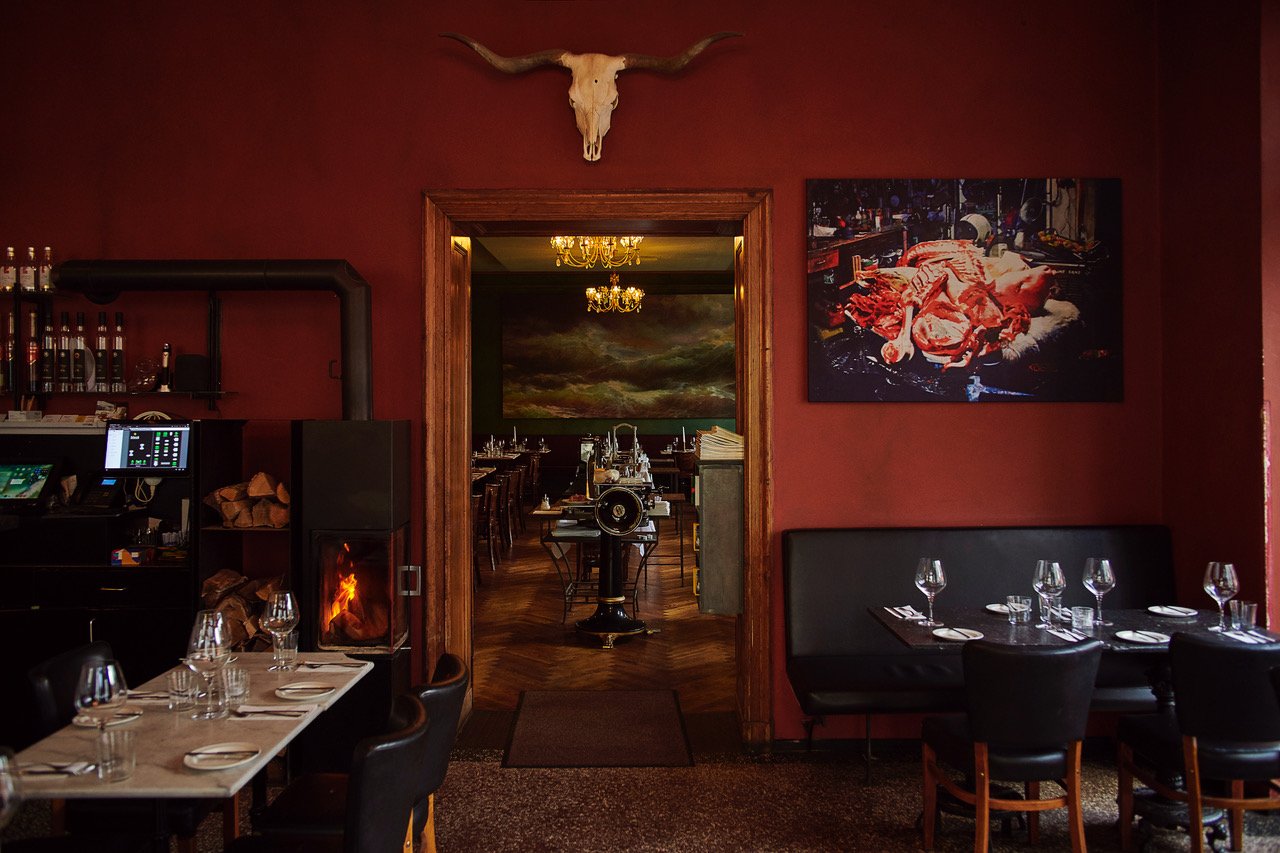
About Restaurant Jolesch
Restaurant Jolesch occupies a corner address in Kreuzberg's Muskauer Strasse, operating in a neighbourhood where Austrian-inflected central European cooking has long held its own against Berlin's more fashionable dining modes. The room draws a mix of local regulars and visitors who have learned that this part of SO36 rewards patience over trend-chasing. It belongs to a tier of Berlin restaurants where the food is the argument, not the concept.
A Corner of Kreuzberg That Runs on Its Own Clock
Muskauer Strasse meets the older, quieter register of Kreuzberg, a neighbourhood that has spent decades resisting the pressure to become something more legible for outsiders. The streets here carry the residue of the district's working-class and immigrant history, and the dining rooms that have lasted longest tend to share a similar quality: they are not performing for anyone. Restaurant Jolesch occupies that corner with the ease of a place that has made its peace with its own rhythm. Arriving here, you notice the pace slows before you even step inside. There is no doorman spectacle, no queue managed by velvet rope. The entrance itself signals what follows: a meal conducted on the kitchen's terms, not the guest's impatience.
The Ritual of the Austrian Table in Berlin
Among the culinary traditions that have shaped Berlin's restaurant scene without dominating its headlines, the Viennese and broader Austrian kitchen occupies a specific, underappreciated position. It is a cuisine built on the logic of the bourgeois dining room: dishes that reward patience, sauces that develop over hours, and a hospitality philosophy that treats the table as a place where time should expand rather than compress. Jolesch sits inside this tradition, drawing its identity from that Central European inheritance rather than from any contemporary trend cycle.
The Austrian approach to a meal has always been more ritual than transaction. Courses arrive at intervals that allow for conversation to complete itself. Side dishes are taken seriously as autonomous preparations rather than afterthoughts. The wine list leans toward producers from the Austrian regions, where the country's white wine tradition, built on Gruner Veltliner and Riesling from the Wachau and Kamptal, offers a counterpoint to the Germanic wines that dominate in comparable Berlin dining rooms. Ordering here is a considered act, not a quick scan before the food arrives.
Kreuzberg's Position in Berlin's Restaurant Geography
Berlin's dining geography has always been uneven. Mitte and Prenzlauer Berg draw the restaurant-world attention, with higher concentrations of awarded addresses and international press coverage. Kreuzberg operates differently. The neighbourhood's restaurant density is high, but the venues that have earned long-term loyalty tend to do so through consistency and neighbourhood belonging rather than through media cycles. In this, Jolesch reflects a pattern visible across Kreuzberg's more durable addresses: the regulars are local, the room does not chase the new-opening surge, and the kitchen does not reinvent itself seasonally to generate coverage.
This positioning places Jolesch in a different competitive set from, say, the technical cocktail bars in Mitte that have built international reputations through awards circuits. Berlin's bar scene, for context, runs from intimate venues like Buck & Breck and Stagger Lee to more accessible formats like Lebensstern and Velvet. The restaurant scene follows a similar split: internationally tracked addresses on one side, neighbourhood institutions on the other. Jolesch belongs to the latter category, where longevity is the credential.
How the Meal Actually Moves
The pacing at a table in this register is worth understanding before you arrive. An Austrian-influenced kitchen does not operate to a compressed tasting menu timeline. The expectation is that a full dinner takes two hours at minimum, and the room is structured accordingly. Tables are not double-booked with military precision. Returning guests have learned not to schedule anything immediately after. The meal moves through its stages with a formality that is never stiff, the kind of unhurried service rhythm that has largely disappeared from Berlin's newer openings, where kitchen productivity metrics and table turns have reshaped the experience.
Soup courses matter here. Cold-weather preparations, the kind that reflect the Austrian tradition of warming, substantive beginnings, set the register for what follows. Main courses are portioned generously in the Central European tradition, where restraint in plating is not a signal of culinary sophistication but of indifference to the guest. This is a kitchen that does not hold back on the plate.
Where Jolesch Sits in the Broader German Scene
It is useful to place Jolesch against the wider pattern of how Austrian and Central European dining operates in German cities. Hamburg has historically had stronger Austrian and Austro-Hungarian dining traditions given its trade-city cosmopolitanism. Munich's proximity to Austria makes the cuisine more common there. Berlin's version of this tradition is smaller, more scattered, and often more interesting for it, since the venues that sustain it do so out of genuine commitment rather than geographic convenience. For readers tracking drinking and dining across German cities, the bar programs at Le Lion Bar de Paris in Hamburg, Goldene Bar in Munich, The Parlour in Frankfurt, Bar Trattoria Celentano in Cologne, Uerige in Dusseldorf, and Kieler Brauerei am Alten Markt in Kiel illustrate how each city builds its hospitality identity differently. Berlin's version, anchored in neighbourhood restaurants rather than flagship destinations, is less flashy and more genuinely local.
For visitors building a wider picture of what Berlin's dining scene actually looks like across price points and traditions, our full Berlin restaurants guide maps this geography in detail. International visitors tracking the global spread of Austrian culinary traditions might also draw parallels with specialist venues in cities like Honolulu, where programmes such as Bar Leather Apron demonstrate how a specific regional hospitality culture can sustain itself far outside its home geography.
Planning a Visit
For a Kreuzberg dinner of this type, booking in advance is advisable, particularly for Thursday through Saturday evenings when the neighbourhood's dining rooms fill with a mix of locals and visitors drawn by the area's reputation. The address at Muskauer Str. 1 puts the restaurant within walking distance of Gorlitzer Park and accessible from Kottbusser Tor on the U8. As the venue's website and phone details are not currently listed in our database, checking Google Maps or the restaurant's own channels directly for current hours and reservation options is the practical approach before planning an evening.
Frequently Asked Questions
What do regulars order at Restaurant Jolesch?
Jolesch's kitchen operates within the Austrian and Central European tradition, where soup courses and generously portioned main dishes define the meal's structure. Regulars in this category of Berlin dining room typically anchor their order around the kitchen's cold-weather preparations and classic Viennese-influenced main courses. The wine selection from Austrian regions rewards guests who ask for guidance rather than defaulting to the familiar.
What is the standout thing about Restaurant Jolesch?
In a city where the restaurant conversation is dominated by Mitte's awarded addresses and Prenzlauer Berg's new openings, Jolesch represents a more durable category: the neighbourhood institution that has earned its place through consistency rather than press cycles. Its position at Muskauer Str. 1 in Kreuzberg places it inside a district that values exactly this kind of longevity. For visitors who want a Berlin dinner that reflects how the city's long-term residents actually eat, rather than how it presents itself to the restaurant world, this is the more instructive choice.
How far ahead should I plan for Restaurant Jolesch?
For weekend evenings in Kreuzberg's tighter dining rooms, booking two to three weeks ahead is a reasonable baseline. Current reservation details, hours, and contact information are leading confirmed directly through the venue's own channels or Google Maps, as these are not available in our current database. Berlin's neighbourhood restaurant scene does not always operate with the same online booking infrastructure as larger destination venues, so a direct approach is often the most reliable.
Is Restaurant Jolesch suitable for a first-time visitor to Austrian cuisine in Berlin?
The Central European dining tradition, with its emphasis on substantive courses, unhurried pacing, and Austrian wine alongside the food, is accessible rather than intimidating. Jolesch's Kreuzberg setting means the room skews local and unfussy, which makes it a less pressured introduction to this culinary tradition than a formal Vienna-style dining room might be. Guests unfamiliar with Gruner Veltliner or the structure of an Austrian meal will find the format direct to follow once the first course sets the tempo.
Related editorial
- Best Fine Dining Restaurants in ParisFrom three-Michelin-star icons to the next generation of Parisian chefs pushing boundaries, these are the restaurants that define fine dining in the world's culinary capital.
- Best Luxury Hotels in RomeFrom rooftop terraces overlooking ancient ruins to Michelin-starred hotel dining, these are the luxury hotels that make Rome unforgettable.
- Best Cocktail Bars in KyotoFrom sleek lounges to hidden speakeasies, Kyoto's cocktail scene blends Japanese precision with global influence in ways you won't find anywhere else.
Save or rate Restaurant Jolesch on Pearl
Keep this venue in your Pearl passport, rate it after you visit, and track it alongside every other place you collect.