
Monu
Kreuzberg, Berlin
Bar in Berlin, Germany
 Book with Pearl
The Read
Price
$20–30per person
Why go
Monu is worth shortlisting for a wine-led Berlin night where flexibility matters more than a formal dining setup. Star Wine List recognition gives it a credible wine-program signal, while the easy booking profile makes it useful for small groups, dates, and value-minded drinkers comparing wine bars rather than full restaurant experiences.
About Monu
Monu is a Berlin venue with Star Wine List recognition and a casual dress code. It's a useful option for a relaxed Berlin stop with wine-related recognition, though details on the menu, price range, seating setup, reservation policy, or service format are not available.
Plan around the opening schedule: Monu is closed Monday and Tuesday; open Wednesday from 11 AM to 10 PM; Thursday through Saturday from 10 AM to 10 PM; and Sunday from 10 AM to 8 PM. If your decision depends on specific dishes, prices, table availability, or dietary details, check directly before you go.
Choose it for recognition and relaxed planning
Star Wine List recognition is a clear trust signal. Consider Monu a wine-relevant Berlin address, but avoid assumptions about the exact list, menu, pricing, or experience once you arrive.
For a broader Berlin plan, compare it with 8000 Vintages, La Cantine d'Augusta, Salut! Classic Bar, Victoria Bar, and der Weinlobbyist. If the night is more open-ended, start with our full Berlin bars guide; if wine is only one part of the trip, use our full Berlin restaurants guide, our full Berlin hotels guide, our full Berlin wineries guide, and our full Berlin experiences guide.
The right booking logic: confirm the details that matter
Consider the listed hours, casual dress code, and Star Wine List recognition as a starting point for planning. Information such as booking difficulty, menu format, seating, price, or group suitability is not available.
Choose it when those details are enough for your plans. If you need a highly specific occasion with known pricing, a confirmed menu, outdoor seating, or a particular service style, contact Monu directly before committing.
Planning details
- Location
- Monumentenstraße 27, 10965 Berlin, Germany
- Website
- monuberlin.de
- Phone
- +49 176 47656853
The take
The Take
The Vibe
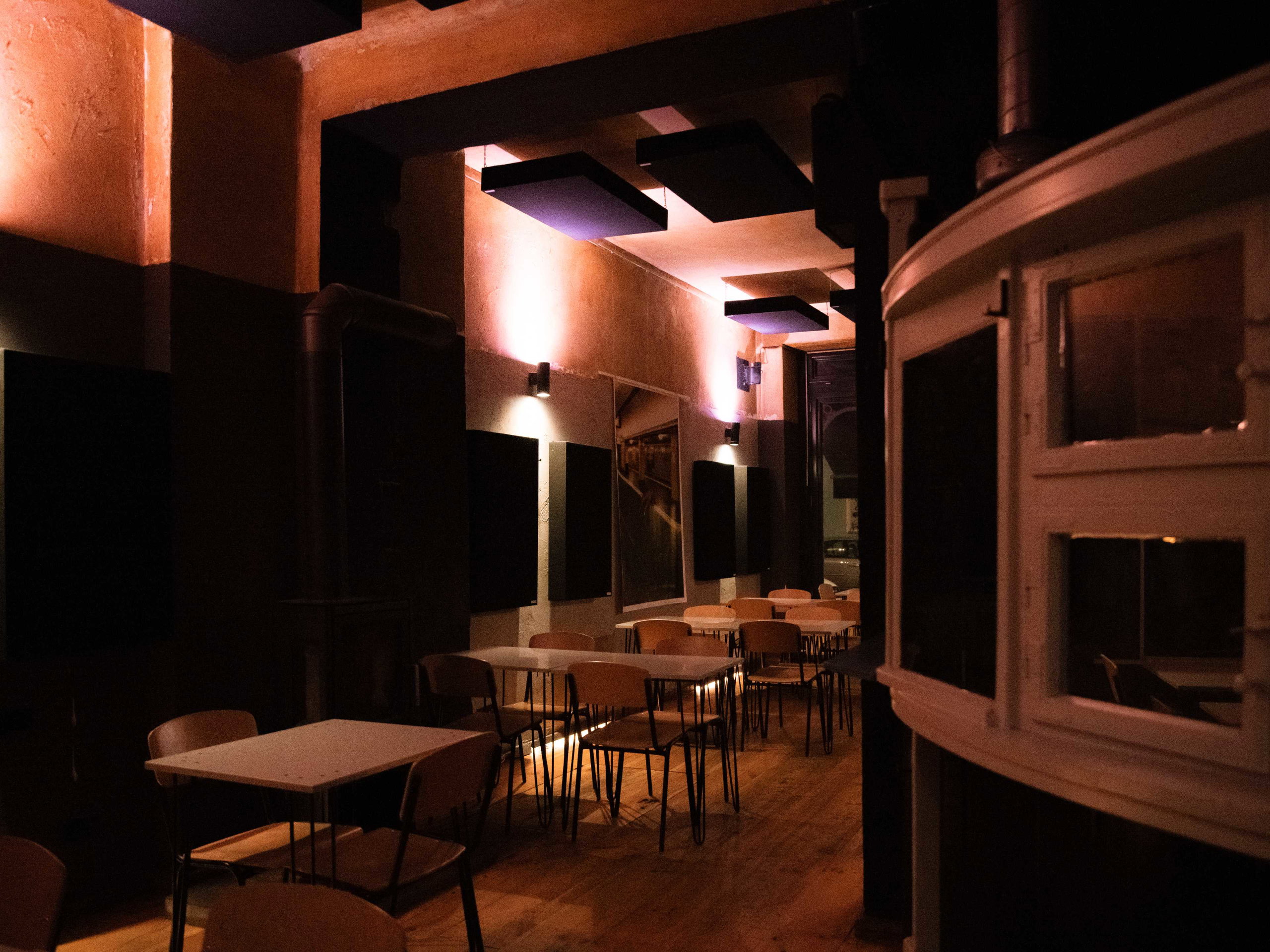
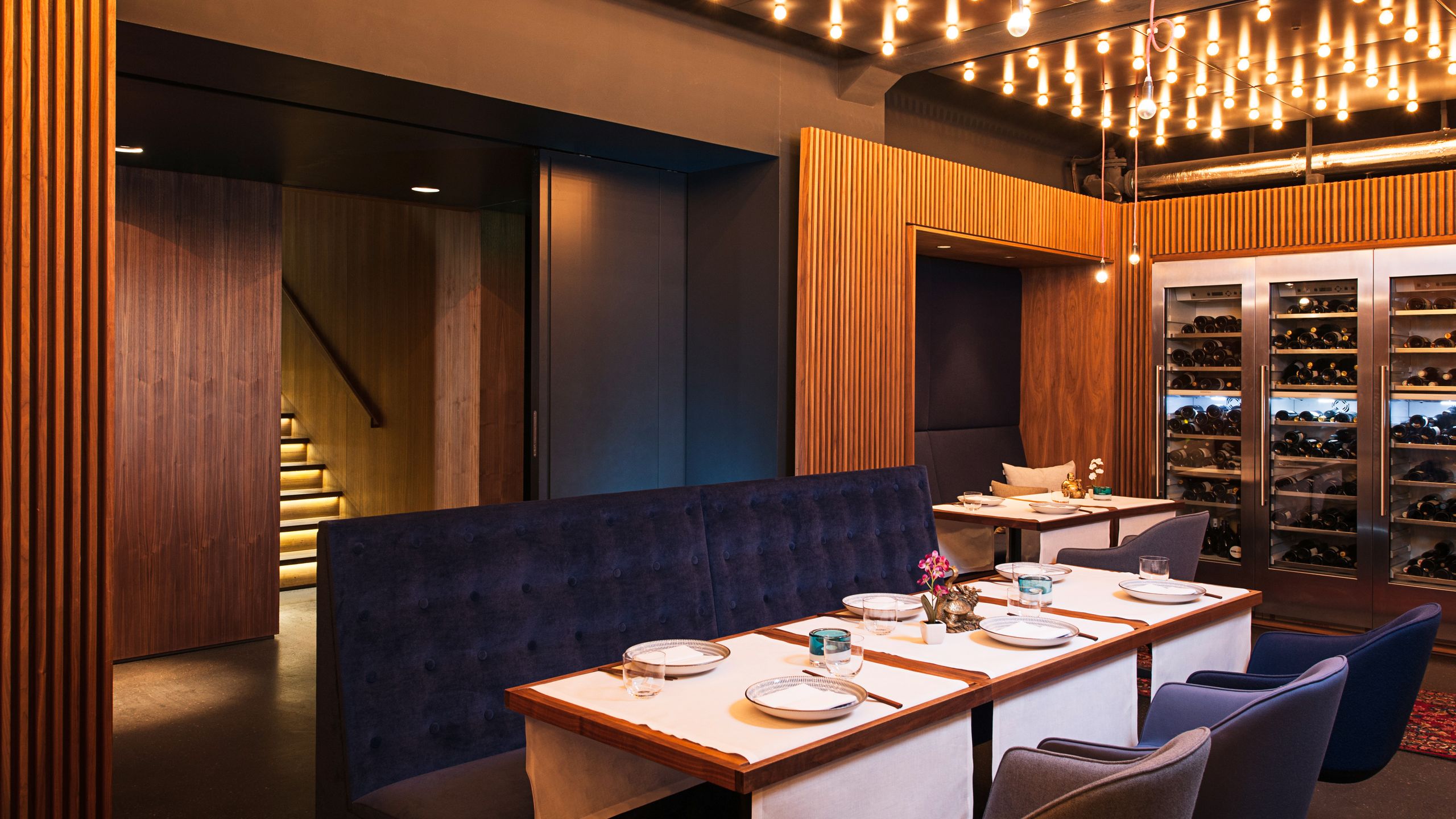
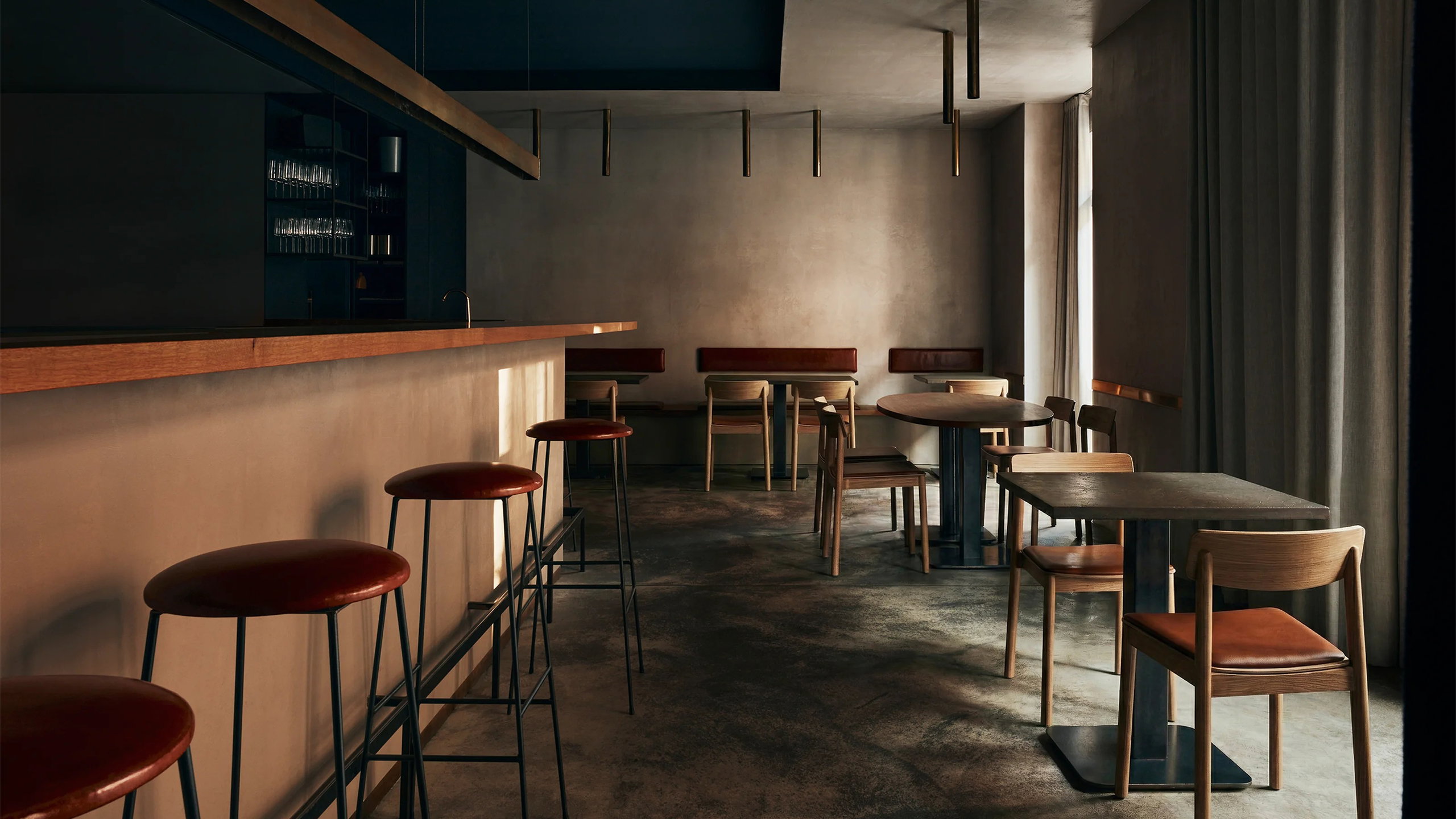
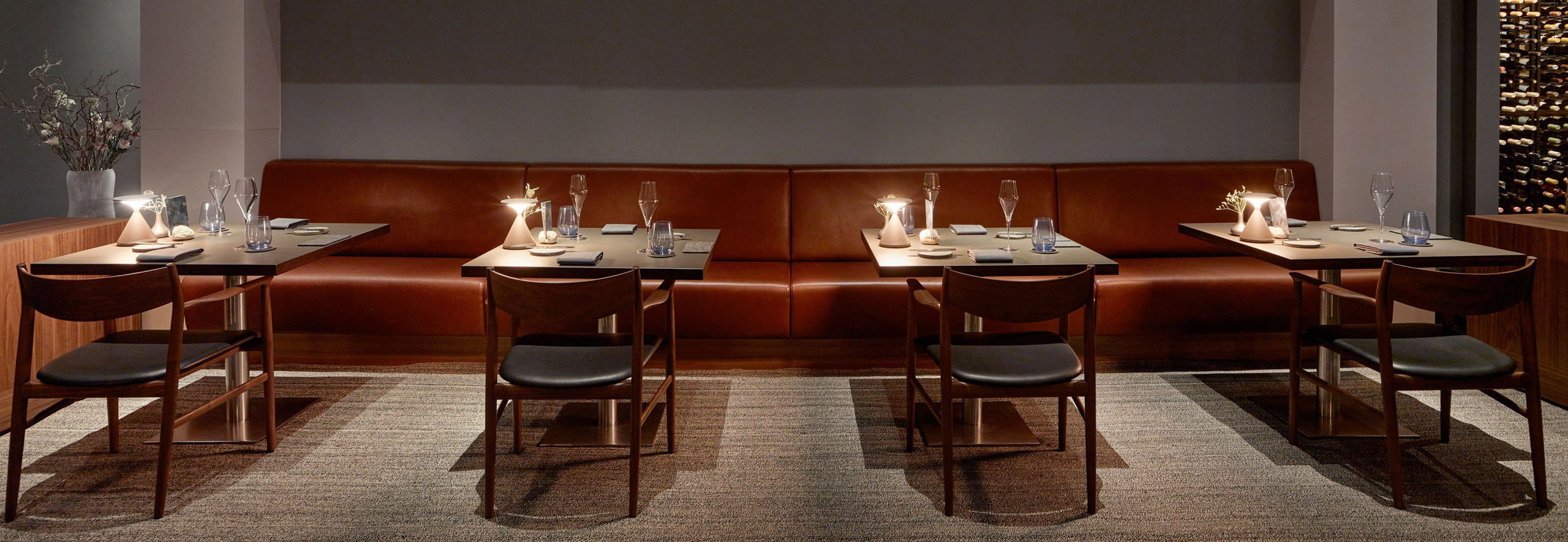
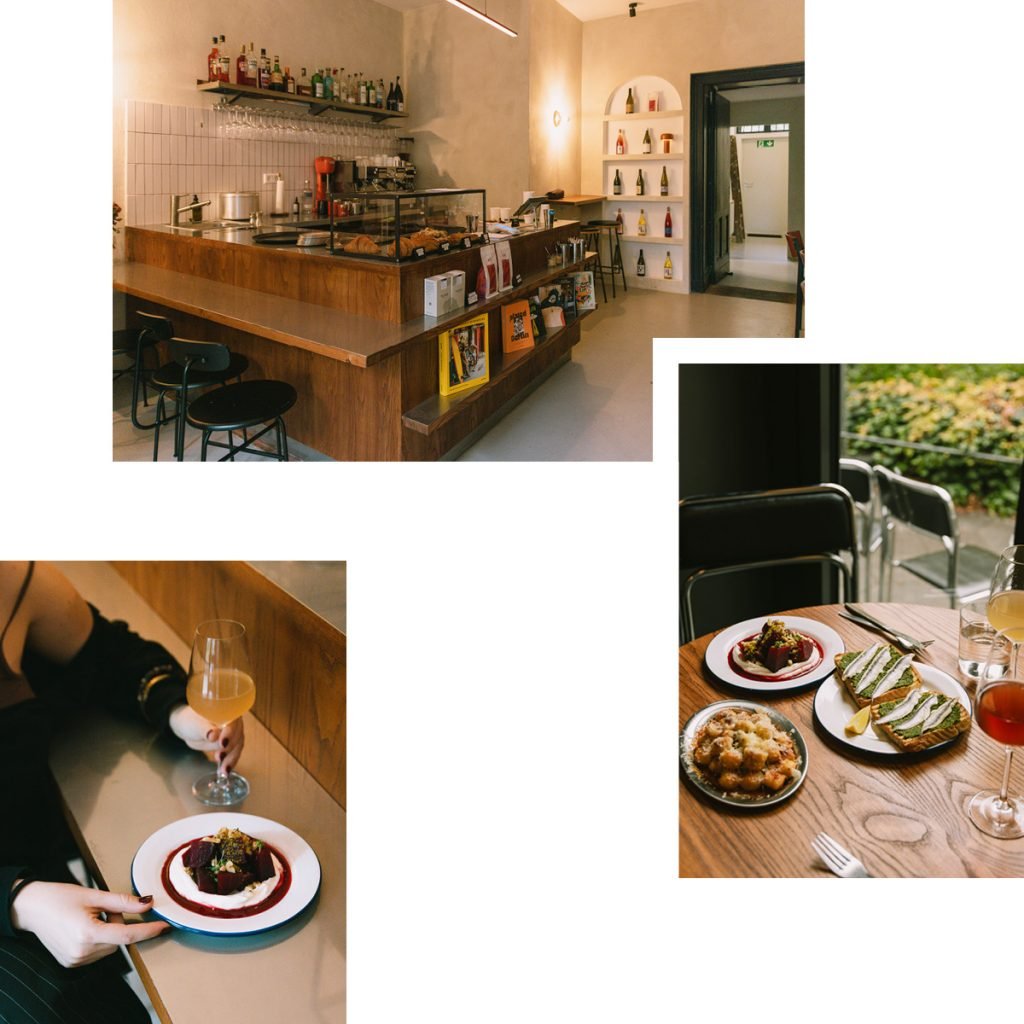
Monu presents as a deliberate, well-crafted neighbourhood wine bar. The interior reads hand-built and well-worn, with furniture that looks chosen rather than hospitality-supplied, which creates a cozy, rustic feel. The founders’ focused approach to bottles gives the place a sophisticated edge: it treats wine with sommelier-level seriousness while avoiding formal table settings. Located off the main tourist circuits in Schöneberg, Monu feels like a quietly cherished local spot — intimate and charming in a way that rewards repeat visits from people who value curated, thoughtful drinking over spectacle.
Best For
Monu suits evening visits where the bottle is the event. It functions as a neighbourhood institution rather than a stop on a curated bar crawl, so it works well for après-work drinks, casual gatherings with friends and small group outings that want a relaxed yet considered wine program. Because the bar emphasizes natural producers and a point of view on region and method, visits often feel like a focused tasting experience rather than background nightlife, making it especially appealing to people who come to engage with the list and the staff’s knowledge.
Ordering Tips
The wine list at Monu is editorial and producer-driven; many bottles are chosen for their story or method and may need explanation at the table. Expect natural wines and a curation that favors specific producers rather than crowd-pleasing labels. Ask staff for recommendations and context — the team has clear opinions about what goes in a glass and is prepared to explain why. If you want to explore, say you’re open to something natural or ask about regions or producers the bar is championing that week.
Venue details
Ambiance
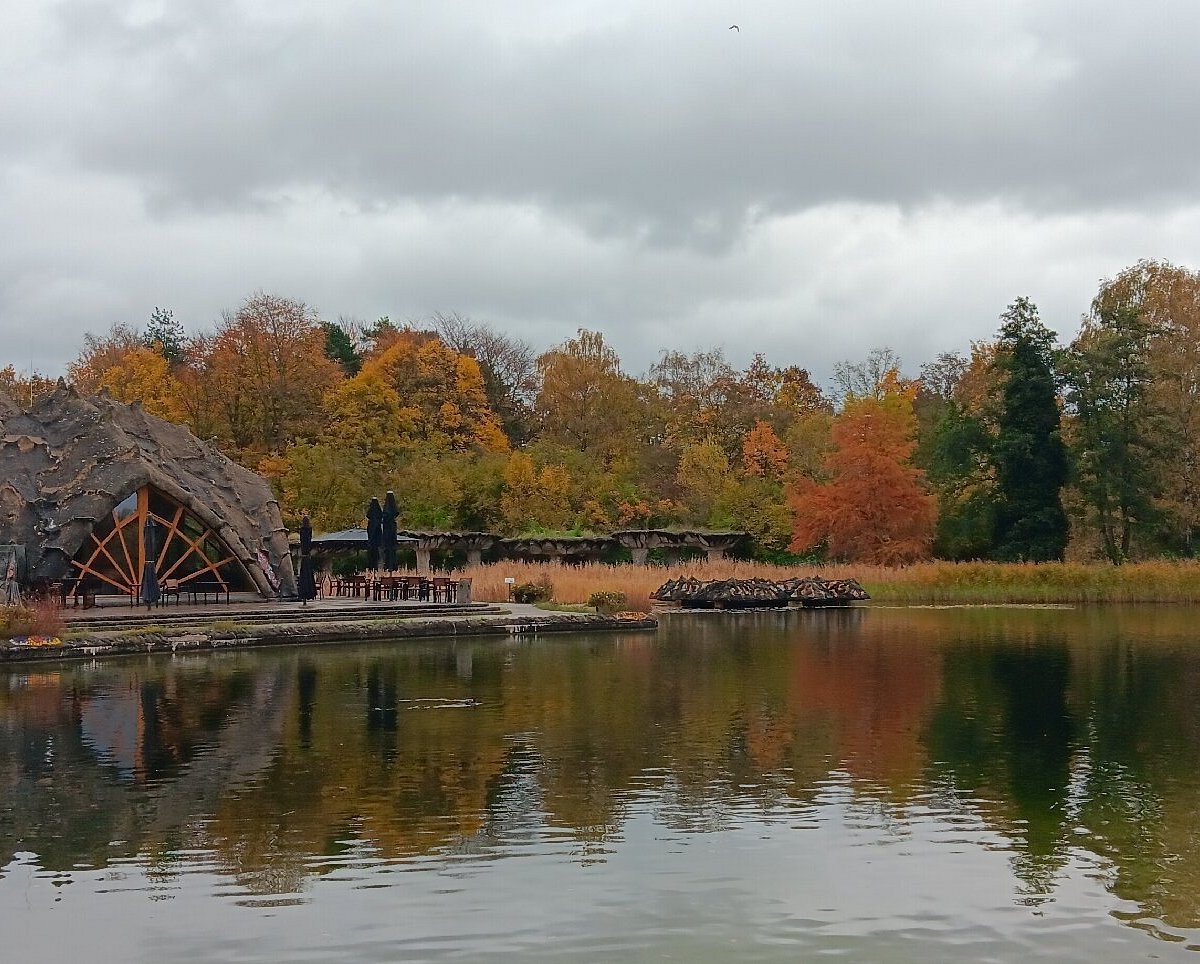
Casual and vibrant with outdoor seating overlooking the water; DJ atmosphere in evenings
Tags
Vibe
Best For
Experience
Format
View
At the Bar
- Bar Category
- Lounge
- Late Night
- Open Until 2am
- Music
- Dj
- Live Music
- Yes
Know before you go
Know Before You Go
- Getting there
- Monumentenstraße 27, 10965 Berlin, Germany
Planning details
Location
Recognition and awards

Also consider
If Monu is not the right fit
Try 8000 Vintages if the brief is still wine-led and the group wants a close comparison inside Berlin. Pick Victoria Bar instead if the night is more about cocktails, classic bar pacing, and a less wine-specific crowd.
Bar context
How Monu compares in Berlin
Choose Monu when the priority is a credible wine-bar plan with low booking friction. Against La Cantine d'Augusta, 8000 Vintages, and der Weinlobbyist, it reads as the easy, wine-first option rather than the place to pick for a more elaborate dining agenda.
If the group wants cocktails and a sharper bar-room mood, Salut! Classic Bar or Victoria Bar are the more natural cross-shops. If value for money is measured by access to a serious wine list without turning the night into a full restaurant booking, Monu is the cleaner choice.
For a mixed group, the decision is simple: wine drinkers should start here, cocktail drinkers should look to Salut! Classic Bar or Victoria Bar, and anyone trying to build the evening around a longer meal should compare La Cantine d'Augusta or der Weinlobbyist first.
Around this place
Discover more on Pearl
Unlock the full Monu guide in Pearl, including awards, comparisons, FAQs, planning details, and nearby places.
Compare Monu
| Venue | Location | Awards |
|---|---|---|
| Monu | Berlin | Star Wine Lists 2026 |
| La Cantine d'Augusta | Berlin | No published awards |
| 8000 Vintages | Berlin | No published awards |
| der Weinlobbyist | Berlin | No published awards |
| Salut! Classic Bar | Berlin | No published awards |
| Victoria Bar | Berlin | No published awards |
How Monu Berlin compares with similar nearby venues.
FAQ
Frequently Asked Questions
Is Monu good for groups?
Information on group suitability, seating capacity, or reservation policy is not available. If you are planning for a group, check directly with Monu before you go.
What's the crowd like at Monu?
No description of the crowd is available. Monu is in Berlin, has a casual dress code, and has Star Wine List recognition, but the typical atmosphere is not described.
Does Monu have outdoor seating?
Outdoor seating is not mentioned. If terrace seating matters, check ahead before you go.
What's the best time to go to Monu?
Use the opening hours to plan: Monu is closed Monday and Tuesday; open Wednesday from 11 AM to 10 PM; Thursday through Saturday from 10 AM to 10 PM; and Sunday from 10 AM to 8 PM.