
Bar in Berlin, Germany
Kurpfalz Weinstuben
100Pearl PointsWine-led, not noisy

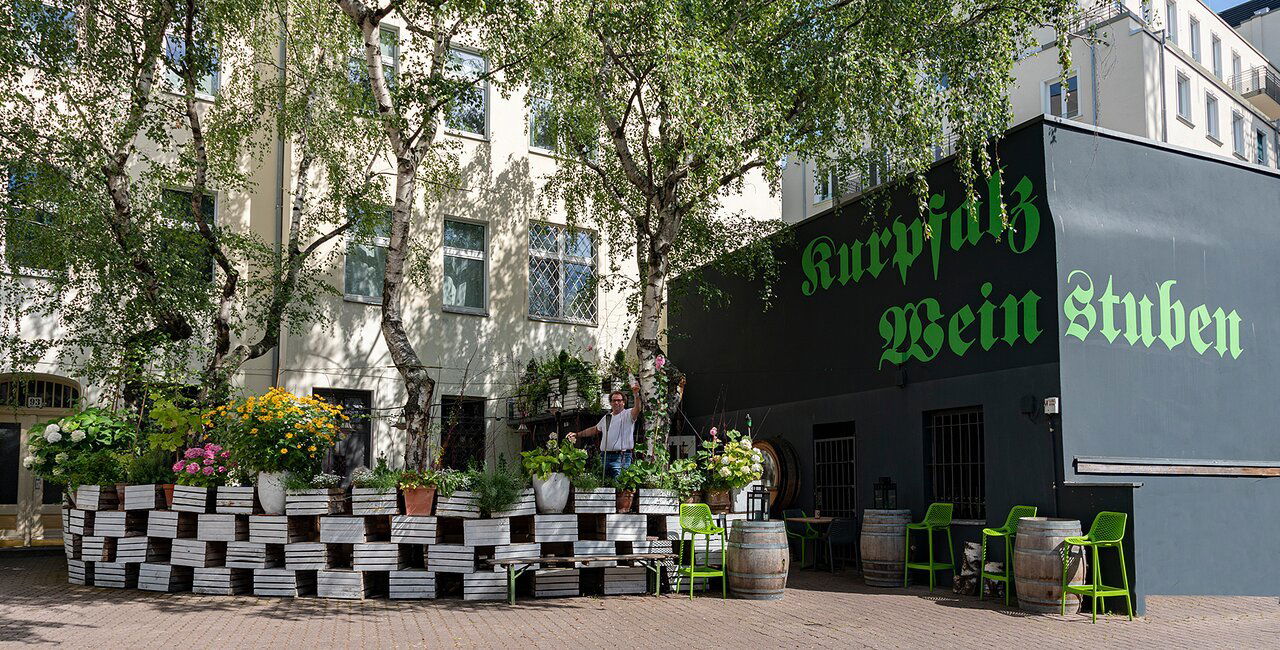
About Kurpfalz Weinstuben
Kurpfalz Weinstuben is worth booking for a wine-led evening in Berlin, especially if the group wants conversation over cocktails or hotel-bar polish. Star Wine List recognition in 2026 is the key trust signal. Do not choose it mainly for outdoor seating unless that is confirmed for the date.
Is Kurpfalz Weinstuben worth considering in Berlin right now? The verified practical picture is simple: it is a Berlin venue with smart casual dress, evening hours from Tuesday through Saturday, and recognition from Star Wine List in 2026. Beyond those points, specific claims about menu, seating, prices, or service details should be confirmed directly before planning a night around them.
Book it for an evening plan, not a broad nightlife assumption
The clearest verified planning detail is the schedule: Kurpfalz Weinstuben is open Tuesday through Saturday from 4 PM to 12 AM, and closed on Monday and Sunday. That makes it an evening-only option rather than a lunch stop or all-day venue.
For a repeat visitor, the smarter move is to treat it as the main Berlin stop for that part of the evening and confirm any specifics you care about in advance. If the group is comparing different moods, consider Vesper Bar, Provocateur Hotel, part of Sircle Collection, or Lovis Bar before committing. If value transparency, format, or exact service details matter, check directly with Kurpfalz Weinstuben rather than relying on assumptions. For a more casual comparison set, look at Lotta day bar and Bottega Seppel.
The outdoor question should not be the reason you choose it
Do not make the decision here on outdoor seating alone, because outdoor seating is not part of the verified information. The grounded reasons to keep Kurpfalz Weinstuben on a Berlin shortlist are its evening schedule, smart casual dress code, and Star Wine List recognition in 2026. If an outdoor table is essential, confirm that directly before building the night around the venue.
For broader planning, use our full Berlin bars guide, then widen the night with our full Berlin restaurants guide or our full Berlin hotels guide if dinner or a stay is part of the plan.
Where to go next if the verified details fit
If this is part of a wider Berlin shortlist, compare the verified details rather than assuming a specific format. Kurpfalz Weinstuben has evening hours Tuesday through Saturday, a smart casual dress code, and Star Wine List recognition in 2026. The verdict is simple: consider Kurpfalz Weinstuben when those details fit the night, and confirm any unlisted practical points directly before visiting.
Frequently Asked Questions
What's the best time to go to Kurpfalz Weinstuben?
Kurpfalz Weinstuben is open Tuesday to Saturday from 4 PM to 12 AM, and closed on Monday and Sunday. Choose a time within that evening window, and confirm directly if you need the latest availability or visit guidance.
Does Kurpfalz Weinstuben have outdoor seating?
Outdoor seating is not part of the verified information. If a terrace or outdoor table is important, confirm directly with Kurpfalz Weinstuben before planning your visit in Berlin.
Do I need a reservation at Kurpfalz Weinstuben?
Reservation requirements are not part of the verified information. The confirmed hours are Tuesday to Saturday from 4 PM to 12 AM, with Monday and Sunday closed, so check directly before visiting. If you are comparing other Berlin options, Lotta day bar is another venue to consider.
What is Kurpfalz Weinstuben known for?
Kurpfalz Weinstuben is a Berlin venue with smart casual dress, evening hours Tuesday through Saturday, and Star Wine List recognition in 2026.
Location
Wilmersdorfer Str. 93, 10629 Berlin, Germany
Compare Kurpfalz Weinstuben
Comparison snapshot
| Venue | Use it for | Booking read |
|---|---|---|
| Kurpfalz Weinstuben | Wine-led evening with a calmer brief | Listed as easy |
| Vesper Bar | Cocktail-first plans | Plan ahead for busier nights |
| Provocateur Hotel, part of Sircle Collection | Hotel-bar atmosphere | Better for a dressed-up night |
| Bottega Seppel | Casual alternative | Useful fallback for flexible plans |
| Lotta day bar | Daytime or low-pressure drinks | Easier fit for spontaneous groups |
| Lovis Bar | Polished bar ambience | Better when setting matters most |
Where to go if this is not the right fit
If the group wants cocktails instead of wine, cross-shop Vesper Bar. If the brief is a more styled hotel-bar night, choose Provocateur Hotel, part of Sircle Collection instead.
For a lighter, more flexible plan, Lotta day bar is the safer fallback. For a more polished room, compare availability at Lovis Bar.
How it compares in Berlin
Choose Kurpfalz Weinstuben when the priority is wine rather than cocktails. Vesper Bar is the cleaner fit for a cocktail-led night, while Provocateur Hotel, part of Sircle Collection makes more sense if the room and hotel-bar atmosphere matter as much as the drinks.
For easier, lower-pressure plans, Lotta day bar and Bottega Seppel are better cross-shops for casual pacing. Kurpfalz Weinstuben is the more focused call for a wine-first evening, but it is not the obvious pick for groups that want a broad drinks menu or a louder late-night setting.
Lovis Bar sits closer to the polished-bar lane, so use it when ambience is the main requirement. Kurpfalz Weinstuben is the practical recommendation for repeat Berlin visitors who have already done cocktail-forward rooms and want the bottle list to carry the night.
Recognized By

Explore Berlin
Save or rate Kurpfalz Weinstuben on Pearl
Keep this venue in your Pearl passport, rate it after you visit, and track it alongside every other place you collect.