

der Weinlobbyist
Schoneberg, Berlin
Bar in Berlin, Germany
 Book with Pearl
The Read
Price
$50–100per person
Why go
der Weinlobbyist is the Berlin pick when the night is about wine rather than cocktails or a full restaurant meal. The 2026 Star Wine List recognition makes it a safer choice for first-timers who care about curation, while the Schöneberg address keeps it more neighborhood-focused than showy.
About der Weinlobbyist
der Weinlobbyist is a Berlin venue with evening opening hours and Star Wine List recognition for 2026. These are the clearest reasons to consider it: it supports planning it as an evening stop, and the recognition gives visitors a concrete signal to investigate further before going.
Choose it if the priority is a Berlin evening built around a venue with recognition rather than an all-day plan. It is open Monday, Thursday, and Sunday from 5–11 PM, and Friday and Saturday from 5 PM–12 AM; it is closed Tuesday and Wednesday. The dress code is smart casual. For broader planning, the full Berlin bars guide, full Berlin restaurants guide, and full Berlin hotels guide are better starting points for a full night out.
A recognition-based decision, not an all-purpose substitute
The grounded reason to single out der Weinlobbyist is its Star Wine List recognition for 2026. Details like a specific menu, price point, service format, or bottle selection are not available, but the recognition does make the venue relevant for guests who are comparing Berlin options with that recognition in mind.
For first-timers, the practical move is simple: check the current official details before going, then plan around the evening hours. If the group has mixed preferences, compare der Weinlobbyist with other options by mood and location. Other named options readers may also consider include Green Door, Salut! Classic Bar, and Stagger Lee.
Who should put it on the Berlin shortlist
Choose der Weinlobbyist if recognition and evening availability are enough to make it worth a closer look. The 2026 Star Wine List mention is the key trust signal; it does not say what to order, but it does support treating the venue as a candidate for a Berlin night.
The decision is less clear for visitors who are not specifically interested in that recognition or who need lunch service, since the hours are evening-only. In that case, use broader Berlin planning resources to frame the evening, then choose the venue around timing and group mood. der Weinlobbyist earns consideration because it is an evening venue with Star Wine List recognition.
Planning details
- Location
- Kolonnenstraße 62, 10827 Berlin, Germany
- Website
- derweinlobbyist.de
- Phone
- +49 30 30640772
The take
The Take
The Vibe
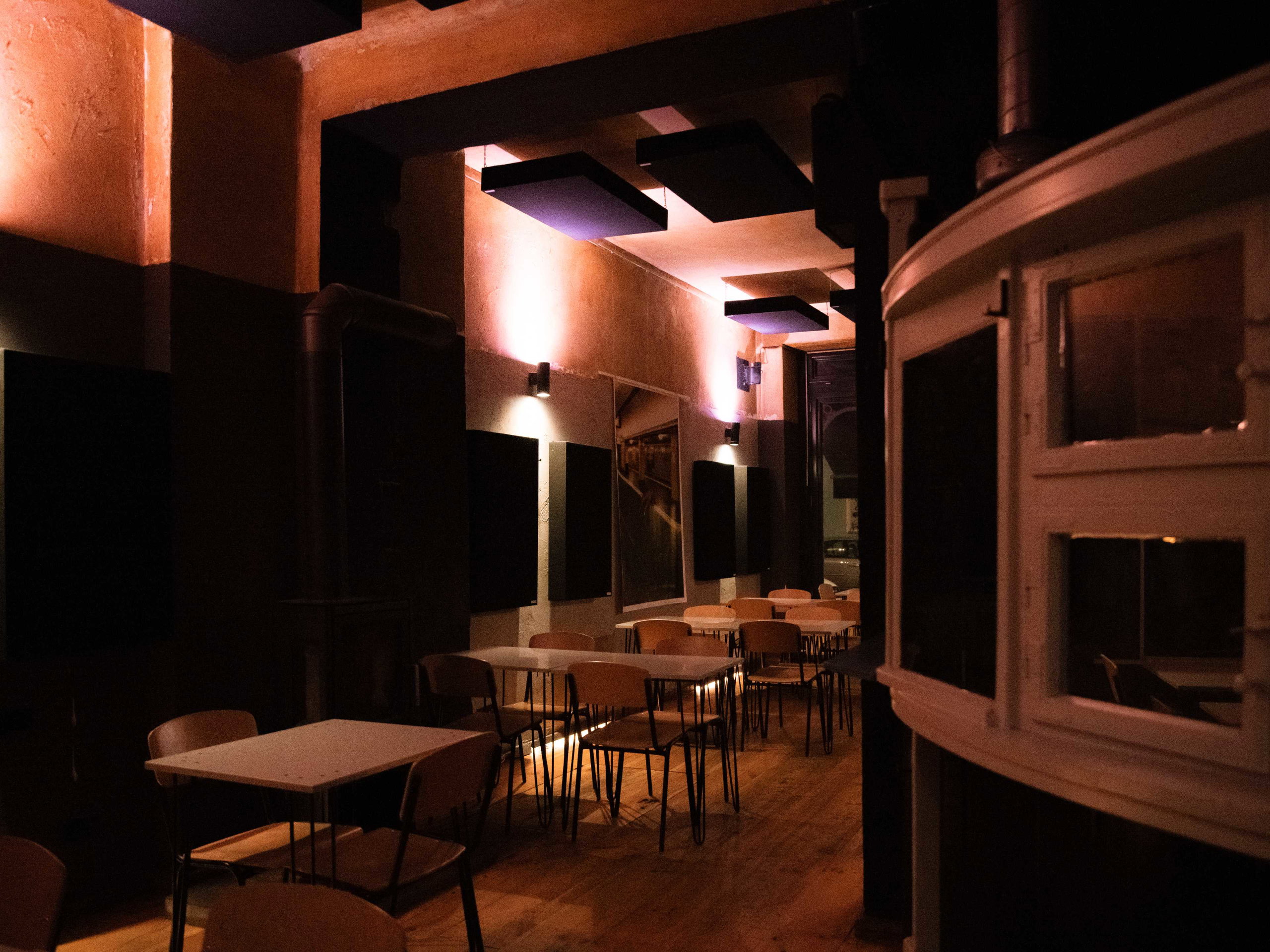
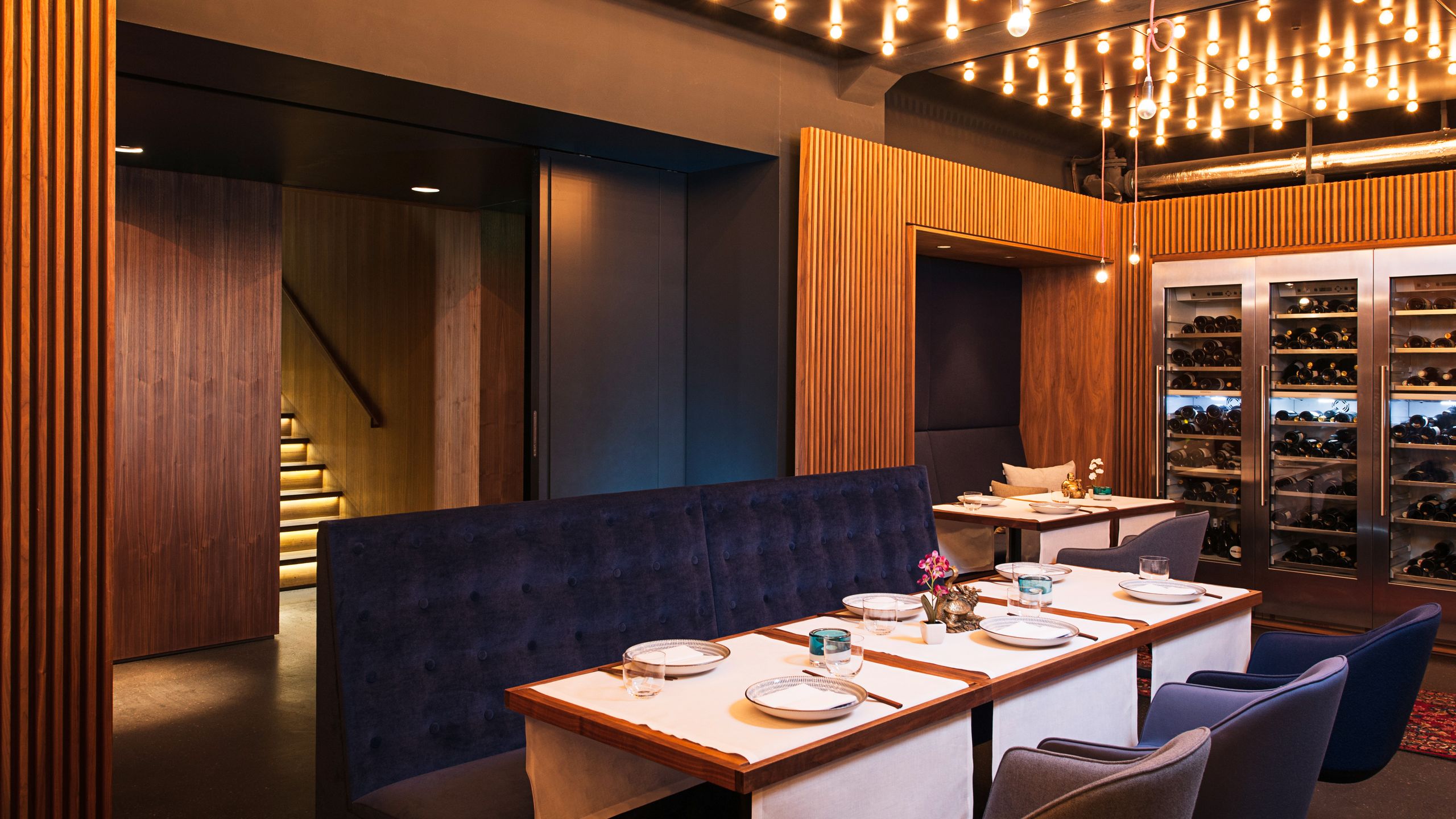
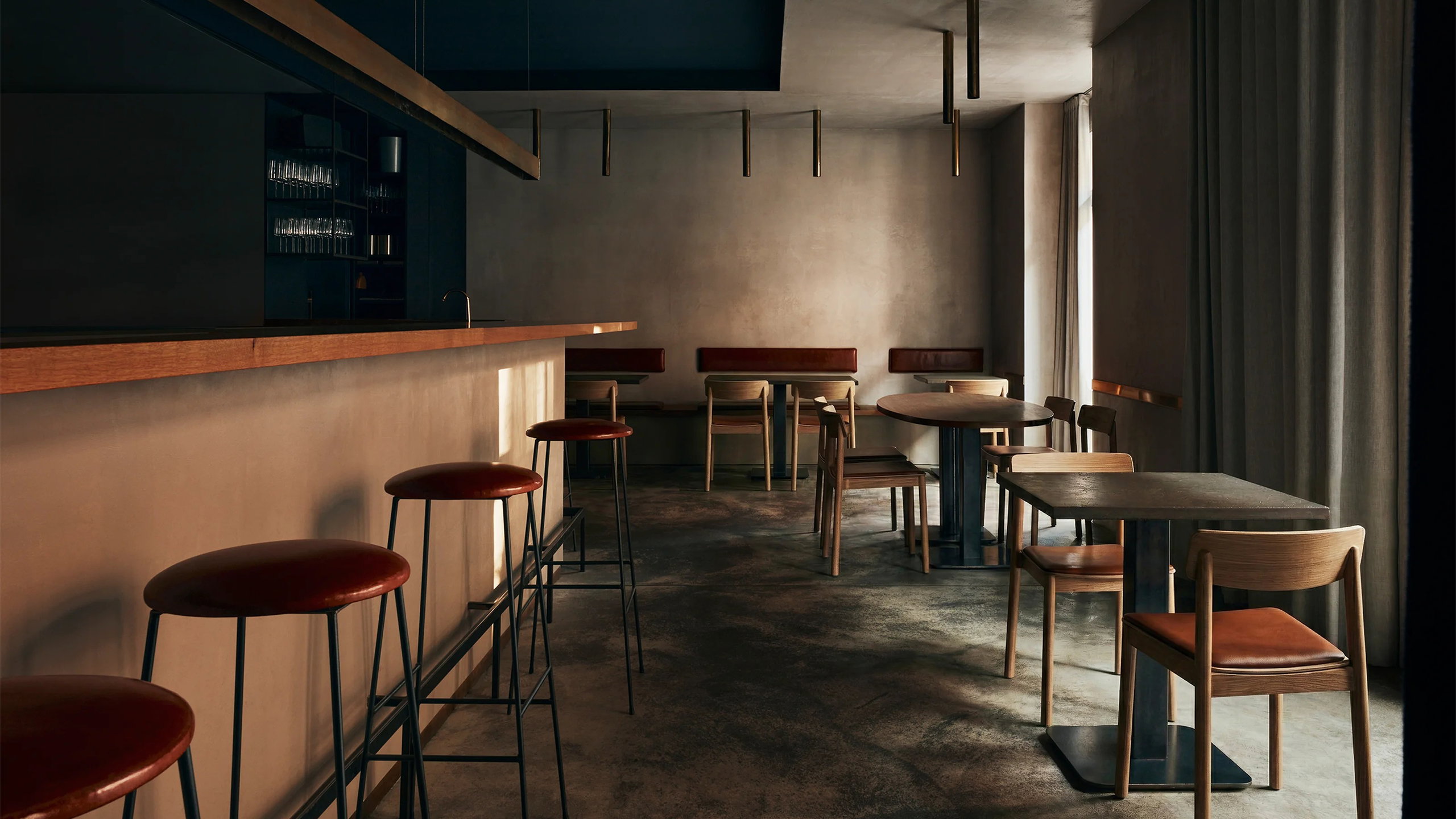
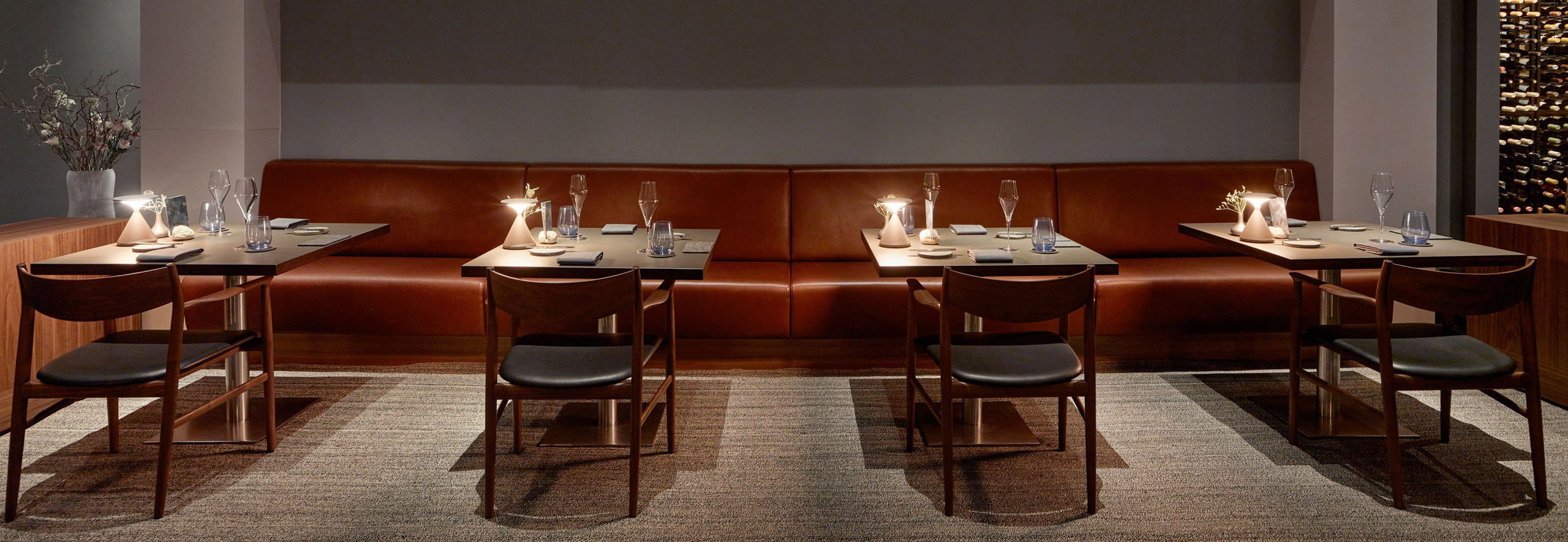
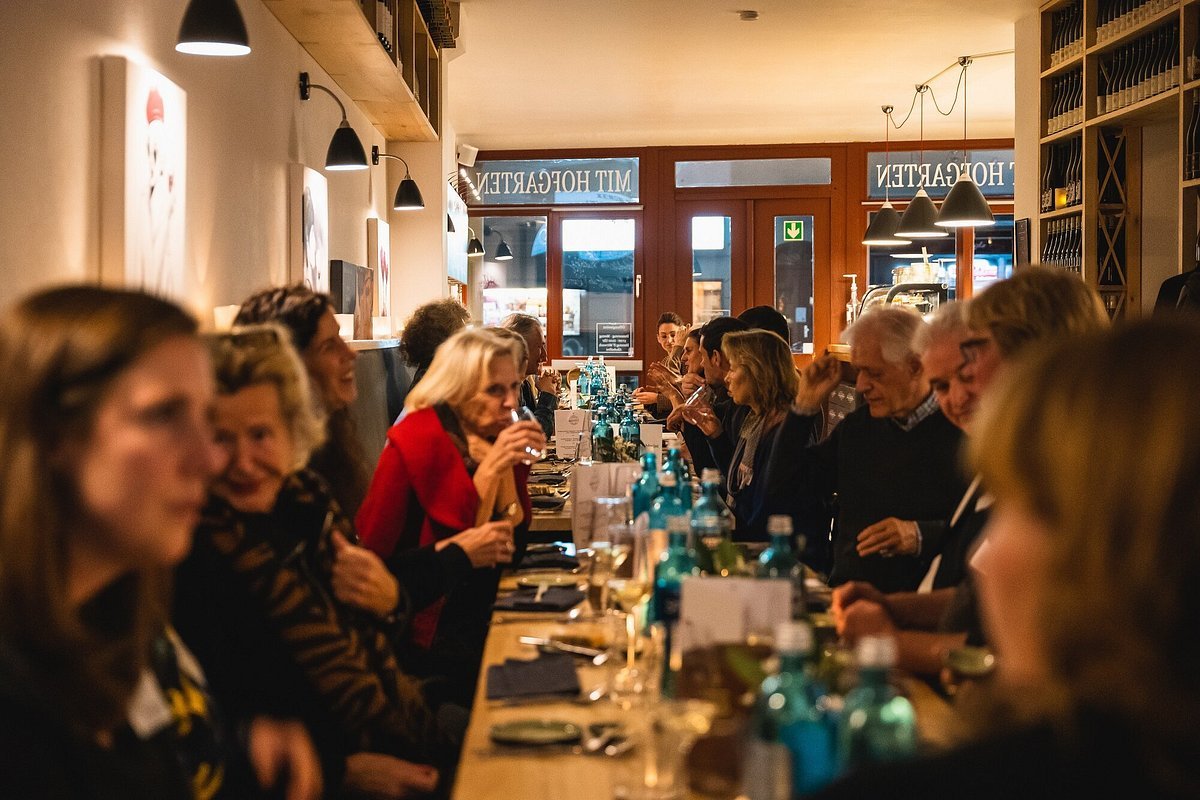
Der Weinlobbyist presents itself as a corrective to Berlin’s cocktail-and-beer reputation: a small, conversation-first wine bar rooted in a residential Schöneberg street. The emphasis is squarely on the glass list and on guided discovery, with a host who steers guests through growers and lesser-known producers. Because it sits off the main nightlife circuits, the room stays low-volume and intentionally sized for talk — a refined, understated place that rewards people who come for wine rather than scene-driven spectacle.
Best For
This is a venue for evenings when the wine is the point. It suits people who want to explore producer-driven lists, learn from an informed host and linger over bottles or well-chosen glasses. Because the bar draws a regular local crowd and isn’t a tourist magnet, it’s especially good for relaxed nights of tasting and conversation — quiet discovery, intimate catch-ups and focused wine education rather than loud group outings or party nights.
Ordering Tips
Treat the wine list as the main event: ask the host to guide you through growers and to suggest glass pours if you want to sample rather than commit to a bottle. The description emphasizes expert steering and discovery, so be open to recommendations and to trying unfamiliar regions or producers. If you’re seeking a curated tasting experience, say so — the bar’s purpose-built approach to wine makes host-led exploration the best way to order.
Venue details
Ambiance
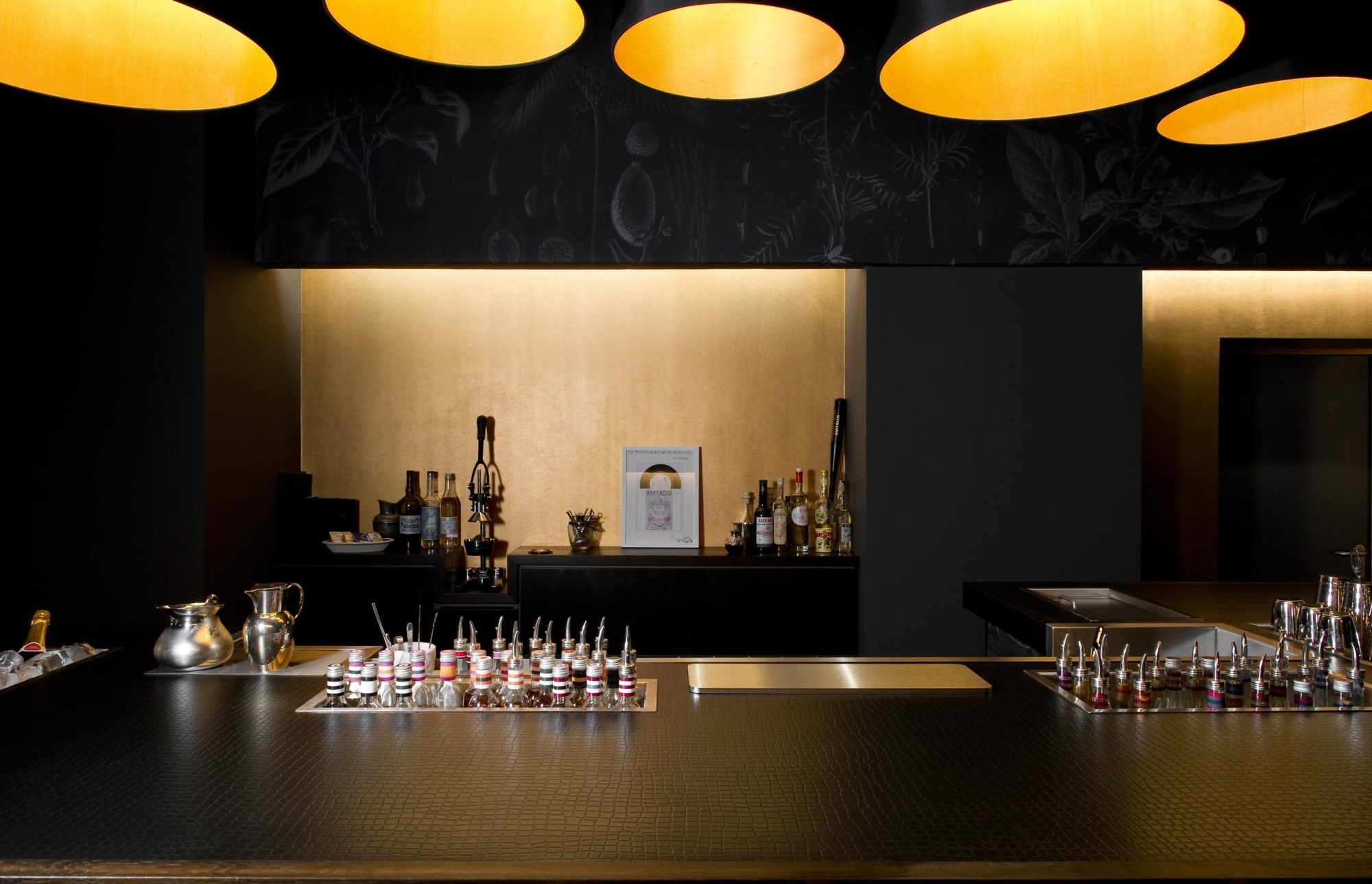
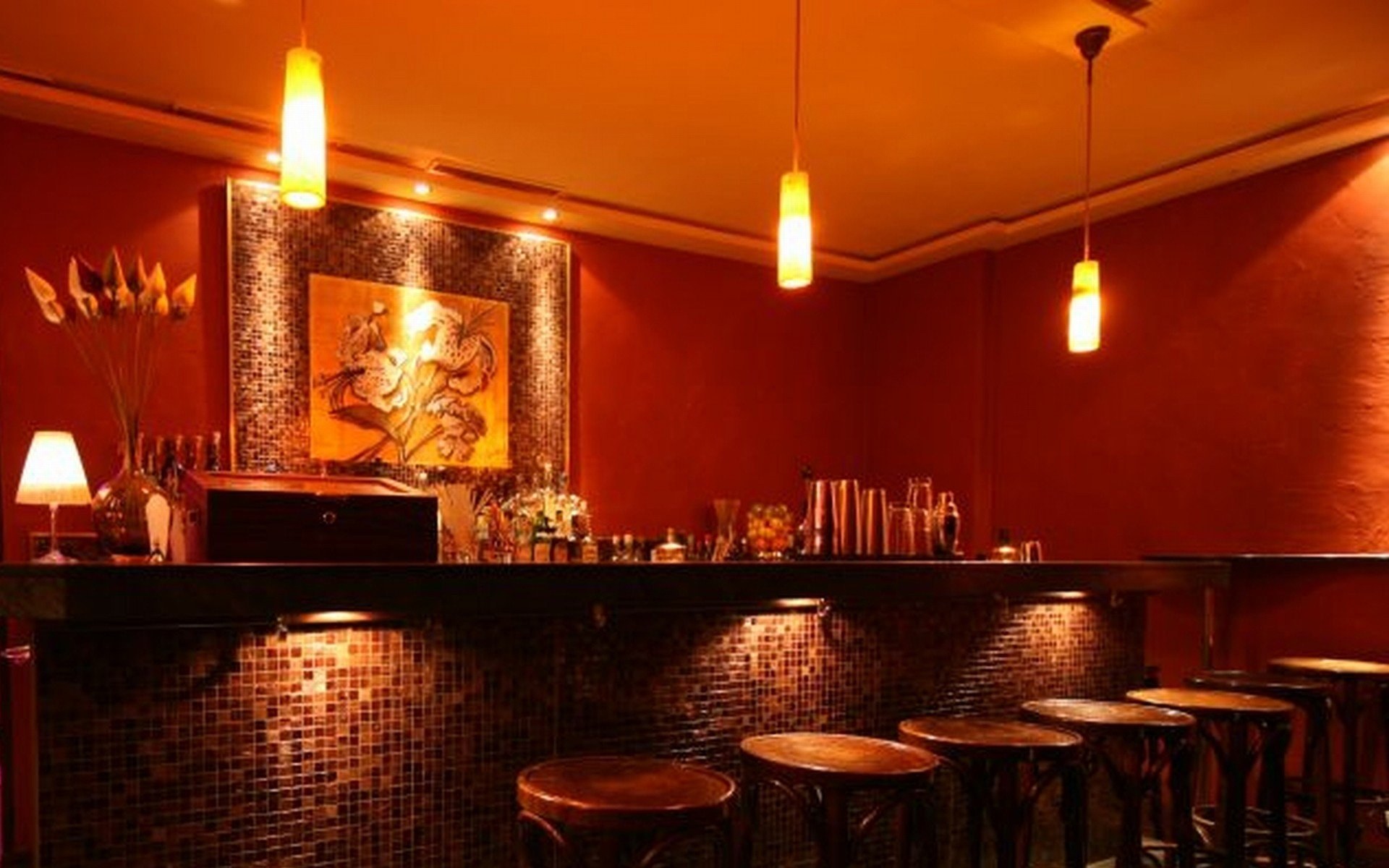
Subdued lighting, tasteful furnishings, cozy and welcoming with a subtle musical background.
Tags
Vibe
Best For
Experience
Format
At the Bar
- Bar Category
- Wine Bar
- Late Night
- Closes by Midnight
- Music
- Subtle Background Music
Know before you go
Know Before You Go
- Getting there
- Kolonnenstraße 62, 10827 Berlin, Germany
Planning details
Location
Recognition and awards


Also consider
Where to go if this does not fit the night
If the group wants cocktails instead of wine, try Green Door or Stagger Lee. If the goal is a wine-adjacent evening with a different feel, compare La Cantine d'Augusta before committing.
Bar context
How it compares in Berlin
Choose der Weinlobbyist over Salut! Classic Bar, Green Door, or Stagger Lee when the group wants wine to drive the evening. Those peers make more sense for cocktail-led nights, especially if the priority is classic-bar energy or mixed drinks rather than comparing bottles and glasses.
La Cantine d'Augusta is the closer cross-shop for a wine-minded guest, but der Weinlobbyist has the clearer external wine-list signal thanks to its 2026 Star Wine List recognition. For value, the smarter choice comes down to format: pick the wine bar when the spend should go toward the list; pick a cocktail venue when the group wants a broader bar experience.
Monu is the peer to consider when ambiance matters as much as the drink program. der Weinlobbyist is the more direct recommendation for a first-timer who wants a focused wine decision with less ceremony. Booking difficulty is listed as easy, so it is also a practical fallback when more scene-driven rooms are inconvenient.
Around this place
Discover more on Pearl
Unlock the full der Weinlobbyist guide in Pearl, including awards, comparisons, FAQs, planning details, and nearby places.
Compare der Weinlobbyist
| Venue | Location | Awards |
|---|---|---|
| der Weinlobbyist | Berlin | Star Wine Lists 20262026 Falstaff Restaurant Guide |
| La Cantine d'Augusta | Berlin | No published awards |
| Salut! Classic Bar | Berlin | No published awards |
| Monu | Berlin | No published awards |
| Green Door | Berlin | No published awards |
| Stagger Lee | Berlin | 2026 Falstaff Bar Guide2012 World's 50 Best Bars · #48 |

How der Weinlobbyist Berlin compares with similar nearby venues.
FAQ
Frequently Asked Questions
Does der Weinlobbyist have happy hour deals?
Happy-hour details are not available. Key planning information includes the evening opening hours, smart-casual dress code, and Star Wine List recognition for 2026.
What is der Weinlobbyist known for?
der Weinlobbyist is a Berlin venue with Star Wine List recognition for 2026. Specific menu items, prices, and service formats are not available.
How can I contact der Weinlobbyist?
Use the venue's official channels for current contact details and any updates to hours.