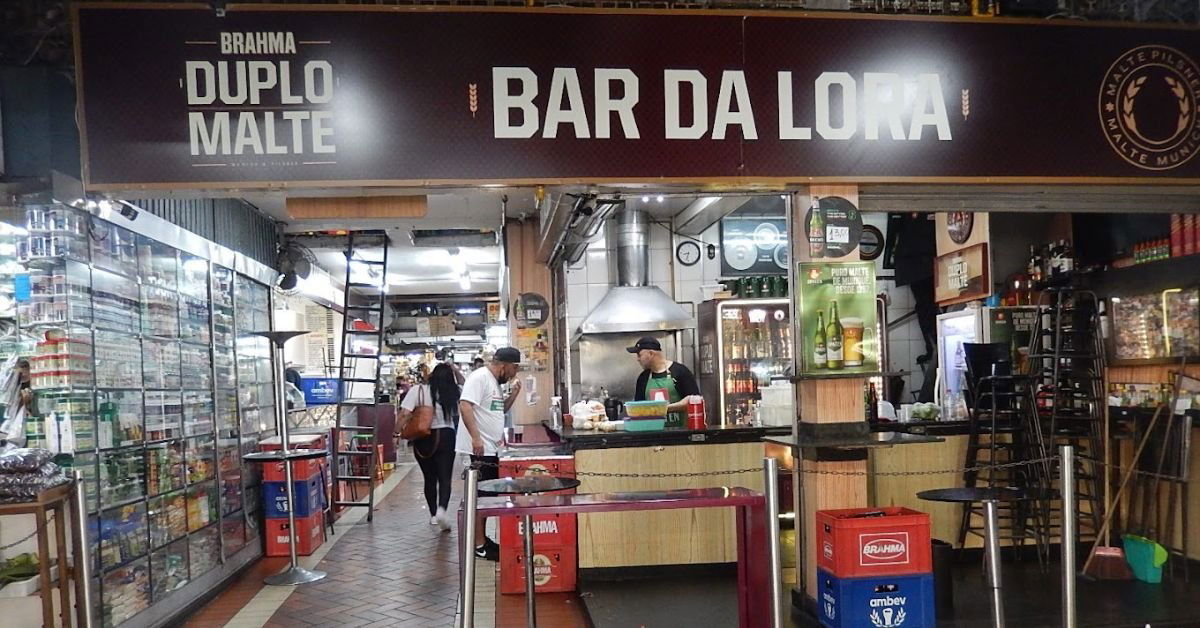
Bar da Lora
Mercado Central, Belo Horizonte
Bar in Belo Horizonte, Brazil
 Book with Pearl
Why go
Bar da Lora is a practical Centro pick for a casual daytime stop in Belo Horizonte, not a destination bar to plan a night around. Choose it for low-ceremony meetups or a quick local pause; compare with Bar Do Careca or Nono - O Rei do Caldo de Mocotó if food, atmosphere, or a more defined bar plan matters more.
About Bar da Lora
On a return visit to Belo Horizonte, the useful question is not whether the city has another casual bar to try; it is whether this one gives a first-timer an easy, low-commitment stop during the day. Bar da Lora is worth considering for that role: casual, direct, and better suited to an informal daytime plan than to a dressed-up evening.
The fit is clearest for visitors who want a no-fuss local bar stop rather than a destination built around specific menu details or accolades. That is not a knock; it just sets the right expectation. Treat it as a practical Belo Horizonte option when the group wants something casual and easy to fold into the day.
Use it for a casual Belo Horizonte stop, not a late-night plan
First-timers should think in terms of timing and occasion. Bar da Lora's hours are 9 AM to 6 PM Monday through Saturday and 9 AM to 1 PM on Sunday, so it works better before or after other daytime plans than as the anchor for a night out. If the goal is a bigger bar crawl, scan Pearl's Belo Horizonte bars guide and cross-shop other options first. If the day also includes meals or a hotel base, pair that search with the Belo Horizonte restaurants guide and Belo Horizonte hotels guide.
The clearest fit is casual and low ceremony. Groups that want an easy stop should be more comfortable here than diners looking for a polished room or a specific published dining format. For a first date, it is a softer pick only if both people want something relaxed and daytime-friendly; for a more occasion-led plan, compare it with Bar Do Careca or Nono - O Rei do Caldo de Mocotó before committing.
Who should choose it
Work this into the day if convenience and a casual dress code matter more than ceremony. Skip it if the brief is late drinks, a defined cocktail program, a date-night room, or a food-led reservation with clear critical recognition. For broader planning, the Belo Horizonte experiences guide helps decide whether the stop fits around the rest of the day, while the Belo Horizonte wineries guide is better for readers building a drinks-focused itinerary outside the standard bar format.
Planning details
- Location
- R. Santa Catarina, 201 - Loja 115 - Centro, Belo Horizonte - MG, 30190-922, Brazil
- Website
- ifood.com.br/delivery/belo-horizonte-mg/bar-da-lora-centro/236c7de8-b6d6-416f-a053-6e89b16bebec
The take
The Take
The Vibe
Bar da Lora sits tucked into a commercial gallery unit on Rua Santa Catarina, where compact interiors and a serious cocktail programme collide with Centro’s lived-in texture. It reads as a discovery — a place regulars seek out rather than tourists simply passing through — and pairs neighbourhood warmth with technical ambition. The setting favors close conversation at the bar and the kind of focused drinking experience that attracts enthusiasts who appreciate clarification techniques and careful spirit work. Overall, the mood balances modern cocktail craftsmanship with an intimate, slightly secretive energy that feels very much of the city’s central spine.
Best For
This is an ideal stop for after-work drinks, late-night cocktails and casual hangouts with friends who are curious about craft drinks. The bar’s location in Centro makes it part of the district’s evening rhythm, so it works well as a place to start or end a night out. Small groups and solo drinkers both fit comfortably here: the compact gallery setting encourages bar-centred socialising, while the focused cocktail programme rewards those who want a thoughtful, technique-forward drink rather than a full dining experience.
Ordering Tips
Bar da Lora emphasizes technique and a considered cocktail programme, so lean into the bartenders’ expertise when ordering. The copy calls out clarification and fat-washing as part of the scene’s toolkit, so expect creative, process-driven drinks; ask the bartender for recommendations or for a taste if you’re exploring something unfamiliar. Because the venue reads like a discovery spot in a small gallery unit, opt for bar seating to watch the service and to get the most direct guidance on what’s notable that night.
Venue details
Ambiance
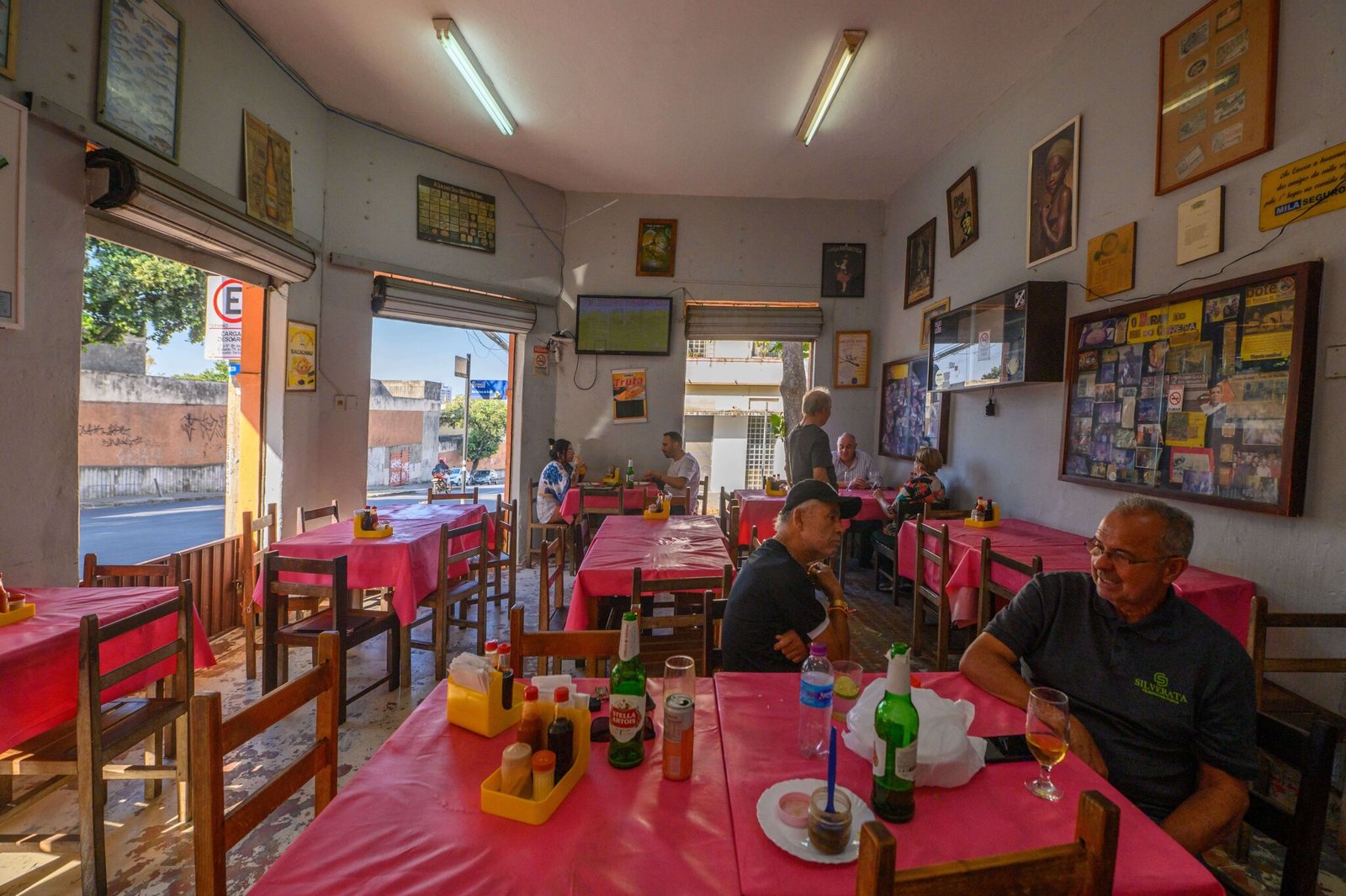
Relaxed atmosphere with cold beer and delicious food.
Tags
Vibe
Best For
Experience
Format
At the Bar
- Bar Category
- Beer Bar
- Late Night
- Open Until 2am
Know before you go
Know Before You Go
- Getting there
- R. Santa Catarina, 201 - Loja 115 - Centro, Belo Horizonte - MG, 30190-922, Brazil
Planning details
Location
R. Santa Catarina, 201 - Loja 115 - Centro, Belo Horizonte - MG, 30190-922, Brazil · Directions
ifood.com.br/delivery/belo-horizonte-mg/bar-da-lora-centro/236c7de8-b6d6-416f-a053-6e89b16bebec
Also consider
Also Consider
- Nono - O Rei do Caldo de Mocotó, Notable alternative
- Bar Do Careca, Notable alternative
- Bar do Bode Cheiroso, Notable alternative
- Rio Scenarium, Notable alternative
- Mama Shelter Bar, Notable alternative
Bar context
How it compares with nearby and similar bars
Bar da Lora is the easier, lower-commitment choice in Belo Horizonte if the plan is casual and daytime-led. Nono - O Rei do Caldo de Mocotó is the better cross-shop when the group wants the bar stop to be more food-driven, while Bar Do Careca is the more useful alternative for readers prioritizing a broader bar atmosphere over a quick Centro pause.
Bar do Bode Cheiroso sits outside the immediate Belo Horizonte comparison set, so choose it only if the outing can support extra travel. Rio Scenarium and Mama Shelter Bar are not like-for-like substitutes for a Centro Belo Horizonte stop; they make more sense for readers comparing Brazilian bar styles across cities rather than deciding where to go today.
For value, Bar da Lora's case is convenience: simple planning, central positioning, and an easy occasion fit. For a stronger food brief, start with Nono - O Rei do Caldo de Mocotó. For a more bar-forward local backup, keep Bar Do Careca on the shortlist.
Explore Belo Horizonte
Around this place
Discover more on Pearl
Unlock the full Bar da Lora guide in Pearl, including awards, comparisons, FAQs, planning details, and nearby places.
Compare Bar da Lora
| Venue | Location | Awards |
|---|---|---|
| Bar da Lora | Belo Horizonte | No published awards |
| Nono - O Rei do Caldo de Mocotó | Belo Horizonte | No published awards |
| Bar Do Careca | Belo Horizonte | No published awards |
| Bar do Bode Cheiroso | Rio de Janeiro | No published awards |
| Rio Scenarium | Rio de Janeiro | No published awards |
| Mama Shelter Bar | Rio de Janeiro | No published awards |
How Bar da Lora Belo Horizonte compares with similar nearby venues.
FAQ
Frequently Asked Questions
Is Bar da Lora good for groups?
Bar da Lora is best framed as a casual daytime option in Belo Horizonte. The hours are 9 AM to 6 PM Monday through Saturday and 9 AM to 1 PM on Sunday, so it is not a late-night party setting. For a different kind of outing, compare it with Rio Scenarium without treating the two as the same type of local stop.
What's the best time to go to Bar da Lora?
Go during the day. Bar da Lora is open 9 AM to 6 PM Monday through Saturday and 9 AM to 1 PM on Sunday. If you want a drinks-first night out, compare other options such as Mama Shelter Bar rather than planning around Bar da Lora's evening hours.
Is Bar da Lora open late?
No. The hours end at 6 PM Monday through Saturday and 1 PM on Sunday, so it fits daytime plans only. If you want a later outing, compare other venues such as Bar Do Careca or Rio Scenarium before deciding.
Is the food good at Bar da Lora?
Plan on Bar da Lora as a casual Belo Horizonte bar option rather than a destination meal built around a specific published dining program. If food is the main reason for going, compare it with Nono - O Rei do Caldo de Mocotó.
Is Bar da Lora good for a date?
It can fit a low-key daytime plan if both people want something casual. The casual dress code and daytime hours make it less suited to a dressed-up evening. For a different atmosphere, compare it with Rio Scenarium before choosing.
Do I need a reservation at Bar da Lora?
Does Bar da Lora have happy hour deals?
For happy hour deals, check directly before going. The schedule is daytime-focused: 9 AM to 6 PM Monday through Saturday and 9 AM to 1 PM on Sunday. If deals or a later drinks plan are the priority, compare other options such as Mama Shelter Bar or Rio Scenarium.