SEEN Belém
Campina, Belem
Bar in Belem, Brazil
 Book with Pearl
Why go
SEEN Belém is a sensible pick when the group wants Brazilian-international fusion rather than a tightly regional meal. It works better as a flexible social dinner or date-night option than as a destination-only booking, especially for mixed tastes and low-pressure plans in Belem.
About SEEN Belém
In Belem, SEEN Belém is worth considering when the goal is a fusion meal rather than a narrowly defined restaurant choice. The appeal is range: Brazilian and international flavors can give mixed-taste groups more room to agree.
A flexible fusion pick when the group does not want one narrow lane
The main reason to choose this venue is versatility. A Brazilian-and-international fusion format can work for diners who want broader options without turning the meal into a research project. The return is less about chasing a highly specific format and more about reducing risk when one person wants familiar flavors and another wants something more Brazilian.
This is not the strongest choice if the priority is a tightly focused local-food mission. A fusion restaurant may not replace a more narrowly traditional meal for diners who want that kind of experience. It makes more sense when the group needs broader appeal.
Better for a flexible plan than a destination-only meal
The concept fits best when the priority is a meal with Brazilian and international range. Without details on a tasting-menu format, chef-led identity, pricing, hours, or reservations, the decision comes down to whether the cuisine style and occasion match what you need.
The dress code is smart casual, so plan accordingly. Because details on pricing, hours, and reservations are not listed here, treat this as a practical short-list candidate rather than a blind splurge. If the plan has tight timing or a fixed budget, confirm the basics before committing. If the group wants a Belem restaurant with Brazilian-international range, it is a sensible option to keep in play.
For broader planning, consider SEEN Belém alongside other Belem dining resources if the meal may turn into a wider night out. Travelers building a fuller itinerary can also scan broader Belem travel planning resources.
Planning details
- Location
- Belem, Brazil
The take
The Take
The Vibe
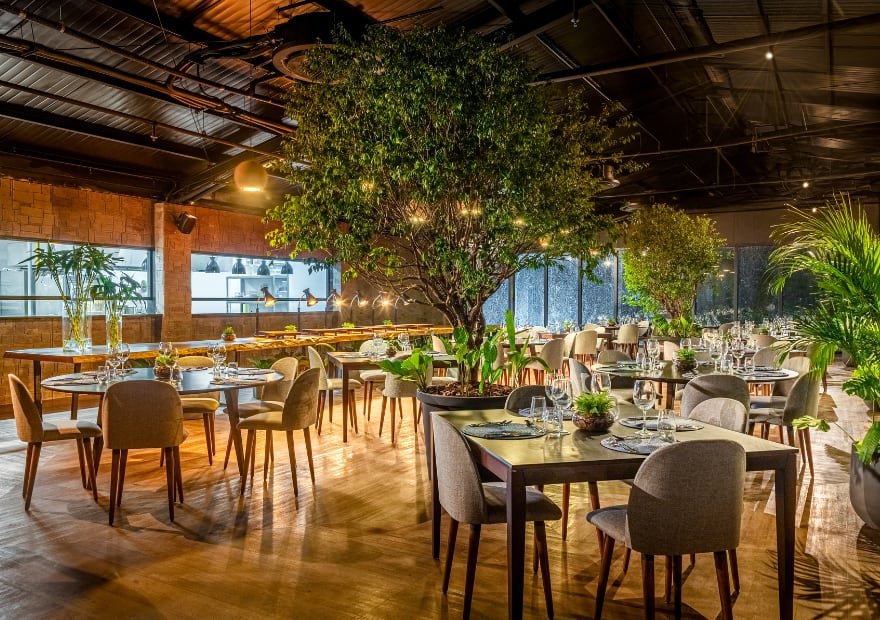
SEEN Belém reads like a regional study in bar craft: it channels Belém’s equatorial light and river-adjacent air into an interior that signals intention without the theatrical minimalism common elsewhere. The room favors an unforced, relaxed register — hospitality that accommodates humidity and heat rather than trying to erase them — while the bartending ethos is precise and purpose-driven. Expect a polished, scenic atmosphere where Amazonian ingredients are treated as the programmatic core, giving the space a quietly confident, place-specific personality rather than a generic, imported bar template.
Best For
This is a cocktail-forward spot built for evening rituals: late-night sessions, date nights, and celebratory evenings all fit naturally here. The bar’s focus on technique and regional ingredients rewards guests who linger and engage with the menu rather than those looking for loud, high-energy nightlife. It also makes a strong option for after-work drinks when you want something more considered than a basic lounge. Service leans upscale-casual, so the overall experience suits small groups and couples seeking thoughtful, locally rooted cocktails in a composed setting.
Ordering Tips
Order with an eye toward local ingredients — the program explicitly foregrounds Amazonian elements like jambu, cupuaçu, bacuri and priprioca as foundational components rather than garnish. Ask the bartender to highlight cocktails that showcase those flavors or to recommend a technique-driven preparation if you’re curious about how native produce is being used. Because the bar emphasizes craft and regional identity, communicate whether you want something bold or subtly herbal, and let the staff tailor a drink that leans into Belém’s tropical register.
Venue details
Ambiance
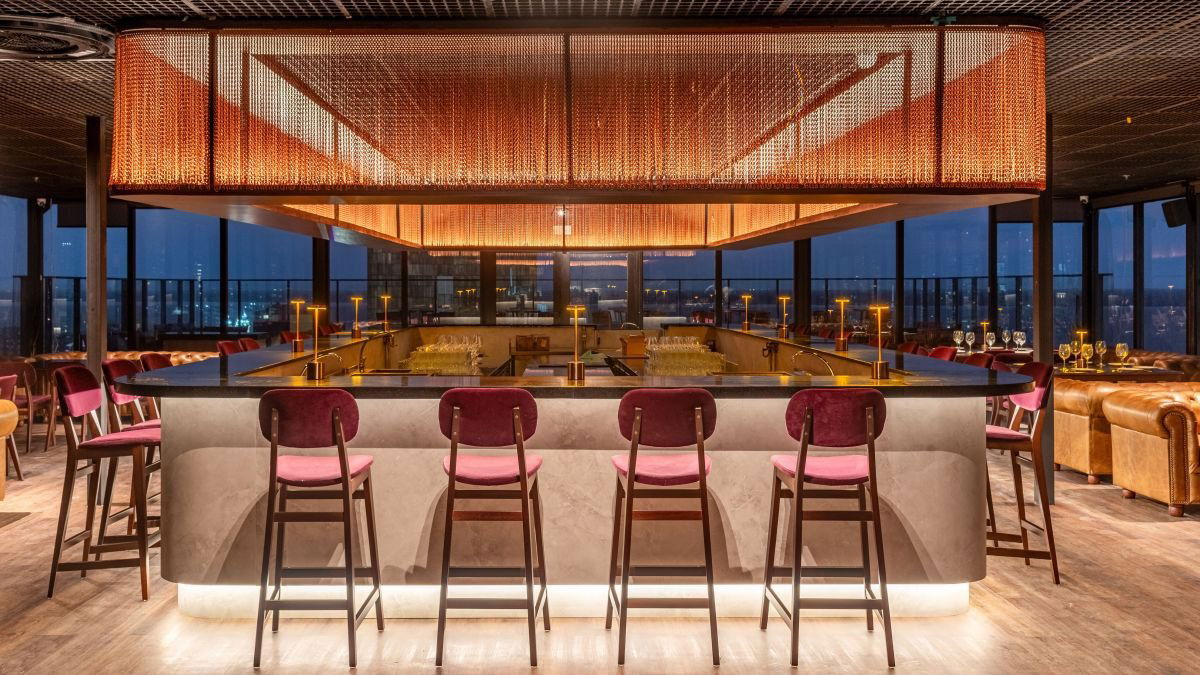
Sophisticated and relaxed contemporary atmosphere with central bar, leather sofas, increasing music volume at sunset, and vibrant urban observatory feel.
Tags
Vibe
Best For
Experience
Format
View
At the Bar
- Bar Category
- Rooftop Bar
- Music
- Ambient Increasing in Volume
Signature Pours
Violet Tonic
Planning details
Location
Belem, Brazil · Directions
Explore Belem
Around this place
Discover more on Pearl
Unlock the full SEEN Belém guide in Pearl, including awards, comparisons, FAQs, planning details, and nearby places.
FAQ
Frequently Asked Questions
Is SEEN Belém good for a date?
It can be, if the date is about an easy meal with range rather than a strict fine-dining script. The Brazilian and international fusion format in Belem works well when both people want options without overthinking the choice.
What's the signature drink at SEEN Belém?
Base the choice on the confirmed cuisine style: SEEN Belém serves a fusion of Brazilian and international flavors.
Does SEEN Belém have happy hour deals?
Do I need a reservation at SEEN Belém?
Is the food good at SEEN Belém?
SEEN Belém should suit diners who want Brazilian and international flavors in one place. If you want a narrow, highly traditional menu, a more focused restaurant may make more sense.
What's the crowd like at SEEN Belém?
The venue details do not verify a specific crowd. The safest expectation is simply a Belem restaurant with a smart-casual dress code and a Brazilian-international fusion focus.
Does SEEN Belém have outdoor seating?
Outdoor seating is not indicated in the venue details, so do not plan around it. If an open-air table matters, check directly before making SEEN Belém your pick.