Razzmatazz
el Parc i la Llacuna del Poblenou, Barcelona
Bar in Barcelona, Spain
 Book with Pearl
The Read
Price
$10–20per person
Why go
Razzmatazz is worth choosing when the brief is a late-night Barcelona outing with more energy than polish. It is a better fit for groups than dates, and it should not be treated as a food-led or cocktail-led booking. For quieter drinks, compare Balius Bar, Volta Bar, or TENDIEZ Bar instead.
About Razzmatazz
Razzmatazz is a Barcelona late-night option with a limited schedule: closed Monday through Wednesday, open overnight Thursday through Sunday. Pick it when the facts you need are simple: Barcelona location, casual dress code, and late hours, rather than a food, cocktail, terrace, or awards-led brief.
The right expectation matters here. There is no confirmed cuisine, drinks program, seating format, price point, or reservation policy, so keep the plan focused on the facts that are known. If you need to compare it with other named options, consider Balius Bar, Volta Bar, or TENDIEZ Bar; for a fuller Barcelona shortlist, use our full Barcelona bars guide.
Go for the late-night hours, not an food or cocktail brief
The main reason to choose Razzmatazz is timing. It is open Thursday and Friday from 12:30 AM to 5 AM, and Saturday and Sunday from 1 AM to 6 AM. It is closed Monday, Tuesday, and Wednesday.
It is less useful for anyone trying to compare venues by food, awards, named cocktail credentials, price, or a specific service format, because those details are not provided. If dinner is the anchor, start with our full Barcelona restaurants guide; if the stay matters as much as the night out, pair the area choice with our full Barcelona hotels guide.
Who should choose it
Choose Razzmatazz if your plan depends on a Barcelona venue that is open late from Thursday through Sunday and has a casual dress code. If you need a quieter setting or a different kind of stop, compare it with Balius Bar, Volta Bar, TENDIEZ Bar, The Lounge at ElCielo Rooftop, or other Barcelona options.
The practical verdict: use it as a late-night Barcelona choice, not as the centerpiece of a food-and-drink itinerary unless you have current details directly. For non-bar planning around the city, Pearl's Barcelona guides are better starting points.
Planning details
- Location
- Carrer dels Almogàvers, 122, Sant Martí, 08018 Barcelona, Spain
- Reservations
- Book on the venue's website
- Website
- salarazzmatazz.com
- Phone
- +34 933 20 82 00
The take
The Take
The Vibe
Razzmatazz presents a big‑scale club identity rooted in Poblenou’s industrial fabric. The venue’s five distinct rooms create a layered, circuit‑like experience rather than a single focal floor, and that structural ambition gives the place weight — it reads as an institution more than a trend. Nights feel curated and kinetic: different programmes run in parallel, attracting a broad, durable audience rather than a niche crowd. Familiarity and longevity inform the atmosphere; long‑running status and the building’s scale make Razzmatazz feel canonical in Barcelona’s club scene while still raw and clubby in tone.
Best For
This is a late‑night destination built for groups, celebrations and anyone chasing nightlife momentum. The multi‑room layout lends itself to group outings where friends split up and reconvene, and longevity means it reliably hosts diverse programming across genres. It suits those who want to experience Barcelona club culture at scale — regulars who know which room to follow and first‑timers who enjoy discovering where the night lands. If you’re planning something celebratory or a boisterous night out, the venue’s size and variety make it a dependable choice.
Ordering Tips
Treat a night here as a route to be plotted rather than a single table reservation: check the night’s programmes for each room and plan which spaces you want to visit. Regulars tend to move between Razz Club, The Loft, Rex Room, Lolita and Pop Bar depending on who’s playing, so arrive with a flexible plan. Be prepared for street queues at the building’s wide approach — the neighbourhood’s loading docks and terraces often become points of entry or wait. The venue rewards patience and mobility rather than a fixed, sit‑down itinerary.
Venue details
Ambiance
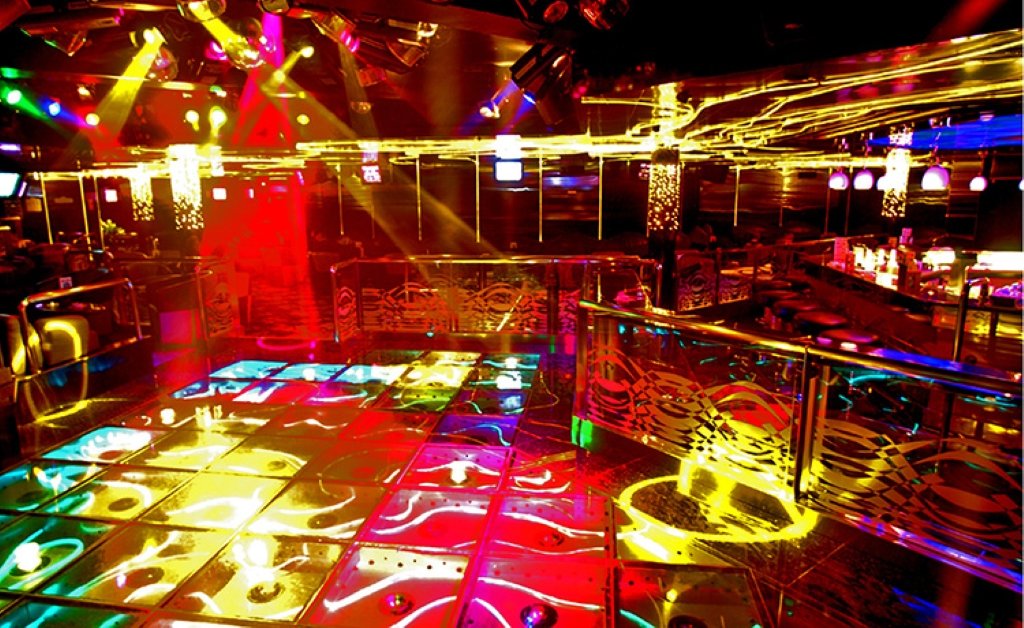
Vibrant and eclectic with high-energy lighting, smoke machines, lasers, and immersive sound systems creating an intense clubbing atmosphere varying by room.
Tags
Vibe
Best For
Experience
Format
At the Bar
- Bar Category
- Lounge
- Late Night
- Open Until 4am
- Music
- Electronic, Indie Pop, Alternative Rock, Techno, Hip Hop, Pop, Rap
- Live Music
- Yes
Know before you go
Know Before You Go
- Getting there
- Carrer dels Almogàvers, 122, Sant Martí, 08018 Barcelona, Spain
Planning details
Location
Carrer dels Almogàvers, 122, Sant Martí, 08018 Barcelona, Spain · Directions
Also consider
Also Consider
- Balius Bar, Notable alternative
- La Pubilla del Taulat, Notable alternative
- The Lounge at ElCielo Rooftop, Notable alternative
- Volta Bar, Notable alternative
- TENDIEZ Bar, Notable alternative
Bar context
How it compares in Barcelona
Choose Razzmatazz over Balius Bar or Volta Bar when the night needs scale and a later finish. Balius Bar and Volta Bar make more sense for drink-focused plans where conversation matters; Razzmatazz is the stronger pick when the group wants a bigger room and less of a seated-bar feel.
The Lounge at ElCielo Rooftop is the better call for a hotel-polished setting or a view-led drink, while Razzmatazz is the practical late-night choice after that kind of evening. TENDIEZ Bar is also easier to justify for a cleaner, lower-friction drink plan; pick Razzmatazz when ambiance matters more than cocktail detail.
La Pubilla del Taulat is the closer cross-shop if the aim is staying local in Barcelona without turning the night into a club-scale plan. For value, Razzmatazz works when one venue can carry the late part of the evening; for a tighter bar crawl, the smaller peers are easier to sequence.
Around this place
Discover more on Pearl
Unlock the full Razzmatazz guide in Pearl, including awards, comparisons, FAQs, planning details, and nearby places.
Compare Razzmatazz
| Venue | Location | Awards |
|---|---|---|
| Razzmatazz | Barcelona | No published awards |
| Balius Bar | Barcelona | No published awards |
| La Pubilla del Taulat | Barcelona | No published awards |
| The Lounge at ElCielo Rooftop | Barcelona | No published awards |
| Volta Bar | Barcelona | No published awards |
| TENDIEZ Bar | Barcelona | No published awards |
How Razzmatazz Barcelona compares with similar nearby venues.
FAQ
Frequently Asked Questions
What's the best time to go to Razzmatazz?
Use the opening hours as your guide: Thursday and Friday from 12:30 AM to 5 AM, and Saturday and Sunday from 1 AM to 6 AM. It is closed Monday, Tuesday, and Wednesday.
What's the crowd like at Razzmatazz?
The crowd is not specified. What is confirmed is that Razzmatazz is in Barcelona, has a casual dress code, and operates late from Thursday through Sunday.
Is the food good at Razzmatazz?
Food, cuisine, menu format, and pricing are not specified. If food is important to your plan, confirm current details directly or use a Barcelona restaurants guide.
Is Razzmatazz good for a date?
It can work if late hours and a casual dress code fit the plan. If you need a different kind of setting, compare it with Balius Bar or Volta Bar.
Is Razzmatazz open late?
Yes. It opens Thursday and Friday from 12:30 AM to 5 AM, and Saturday and Sunday from 1 AM to 6 AM. It is closed Monday, Tuesday, and Wednesday.