Fàbrica Moritz Barcelona
Sant Antoni, Barcelona
Bar in Barcelona, Spain
 Book with Pearl
The Read
Price
$20–30per person
Why go
Fàbrica Moritz Barcelona is worth considering for an easy Eixample meet-up, especially when a group needs a central, flexible room rather than a small cocktail counter. Choose it for casual celebrations or pre-dinner drinks; look to Two Schmucks or BierCaB if the drinks program is the main reason for going.
About Fàbrica Moritz Barcelona
For plans in Barcelona that need a direct, casual meeting point, Fàbrica Moritz Barcelona is best framed as a practical option: it is in Barcelona, the dress code is casual, and it is open daily from 12 PM to 1 AM. That makes it useful when timing flexibility matters more than a highly specific venue brief.
Use it as a simple Barcelona stop for groups, catch-ups, or visitors coordinating plans across the day and evening. If you are comparing the mood with other named options, Two Schmucks, Bar Restaurant Pinotxo, BierCaB, Dos Billares, and Antiga Casa Buenavista Bar and Lounge are the relevant cross-shops to consider.
Choose it for an easy Barcelona meet-up, not a highly specific brief
The strongest use case is practical: Fàbrica Moritz Barcelona is in Barcelona, keeps daily 12 PM–1 AM hours, and has a casual dress code. That combination suits flexible planning, especially when people may be arriving at different times or when the day does not require a formal dress code.
Because cuisine, exact price level, menu details, seating capacity, and reservation format are not specified, it should not be chosen on the basis of those specifics. Readers building a fuller city plan can pair this listing with Our full Barcelona bars guide or Our full Barcelona restaurants guide.
Who should choose something else
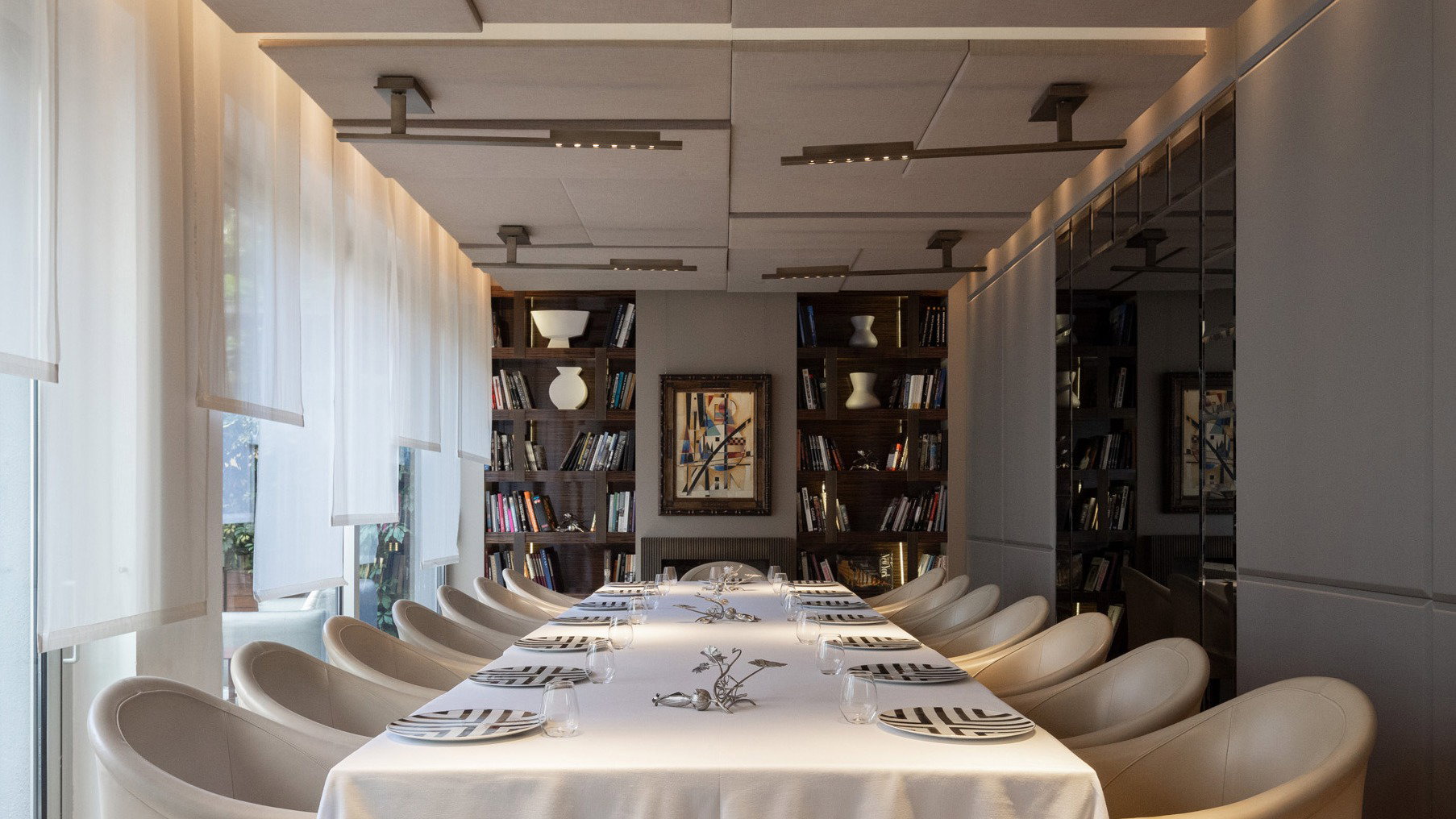
Consider another venue if your occasion depends on details such as a particular menu, a defined beverage focus, a specific room style, a price point, or a special-occasion format. Dos Billares and Antiga Casa Buenavista Bar and Lounge are useful names to compare when you want to weigh Fàbrica Moritz Barcelona against other options. For a broader city plan, use Our full Barcelona hotels guide.
Planning details
- Location
- Rda. de Sant Antoni, 41, Eixample, 08011 Barcelona, Spain
- Reservations
- Book on TheFork
- Website
- fabricamoritzbarcelona.com
- Phone
- +34 934 26 00 50
The take
The Take
The Vibe
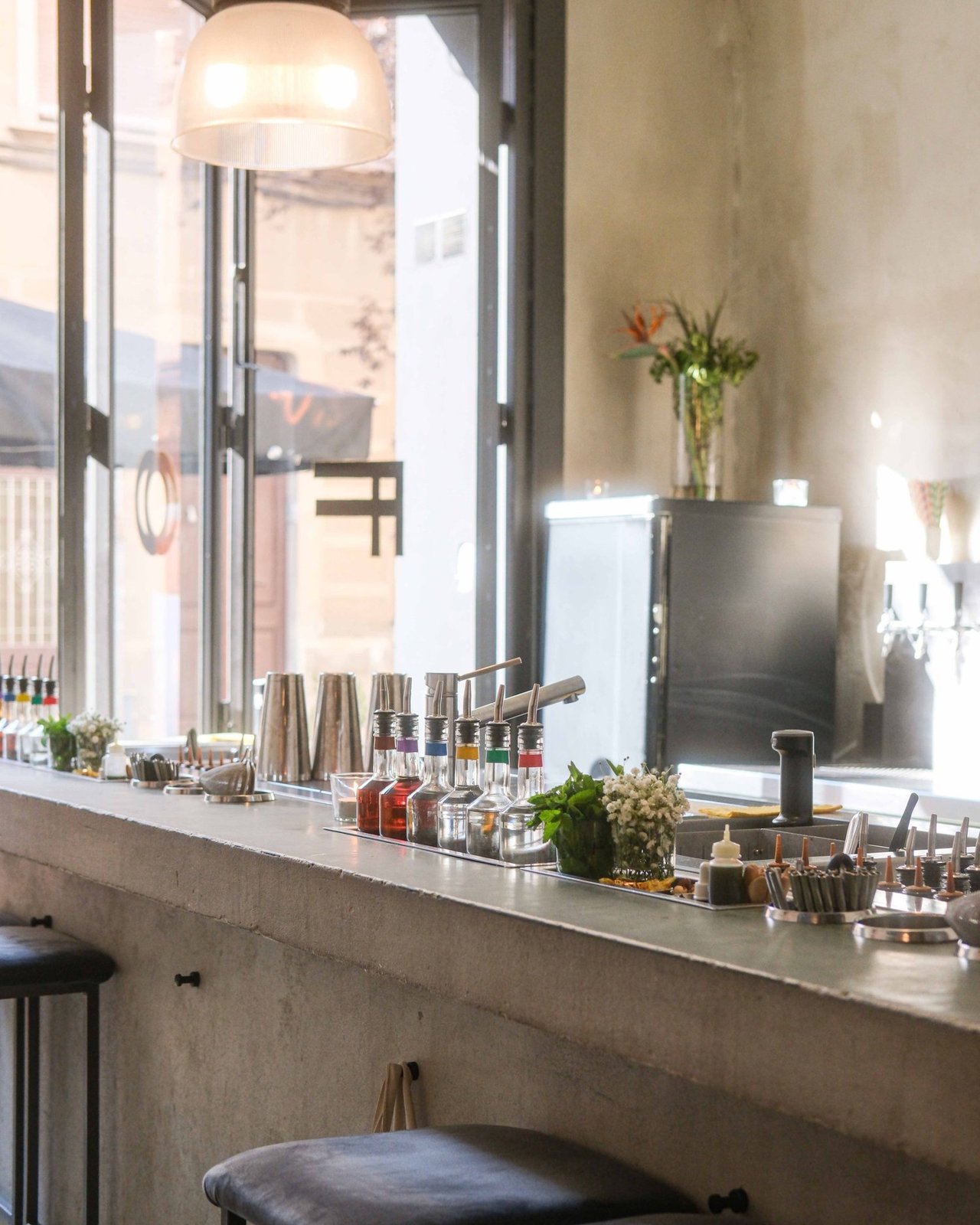
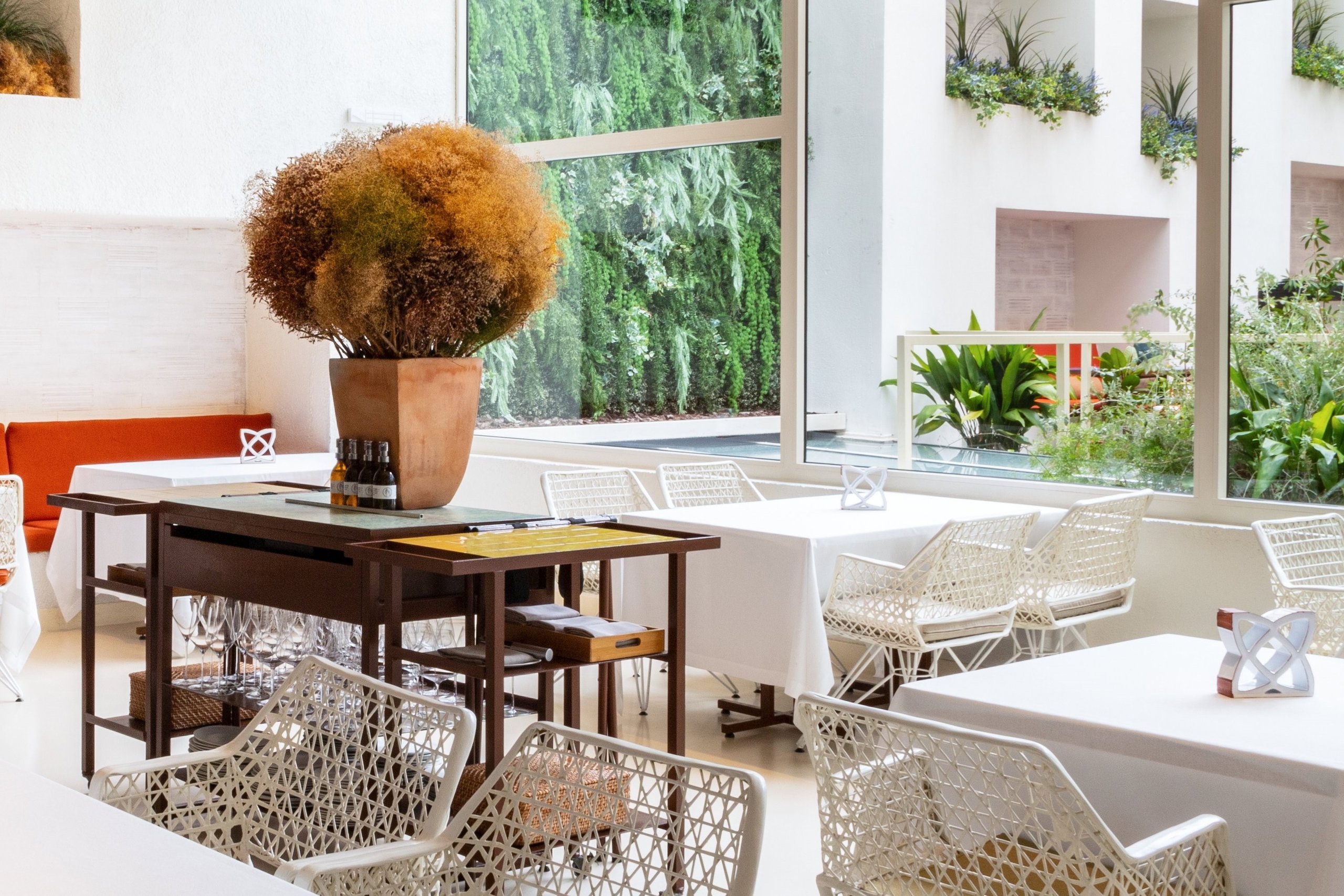
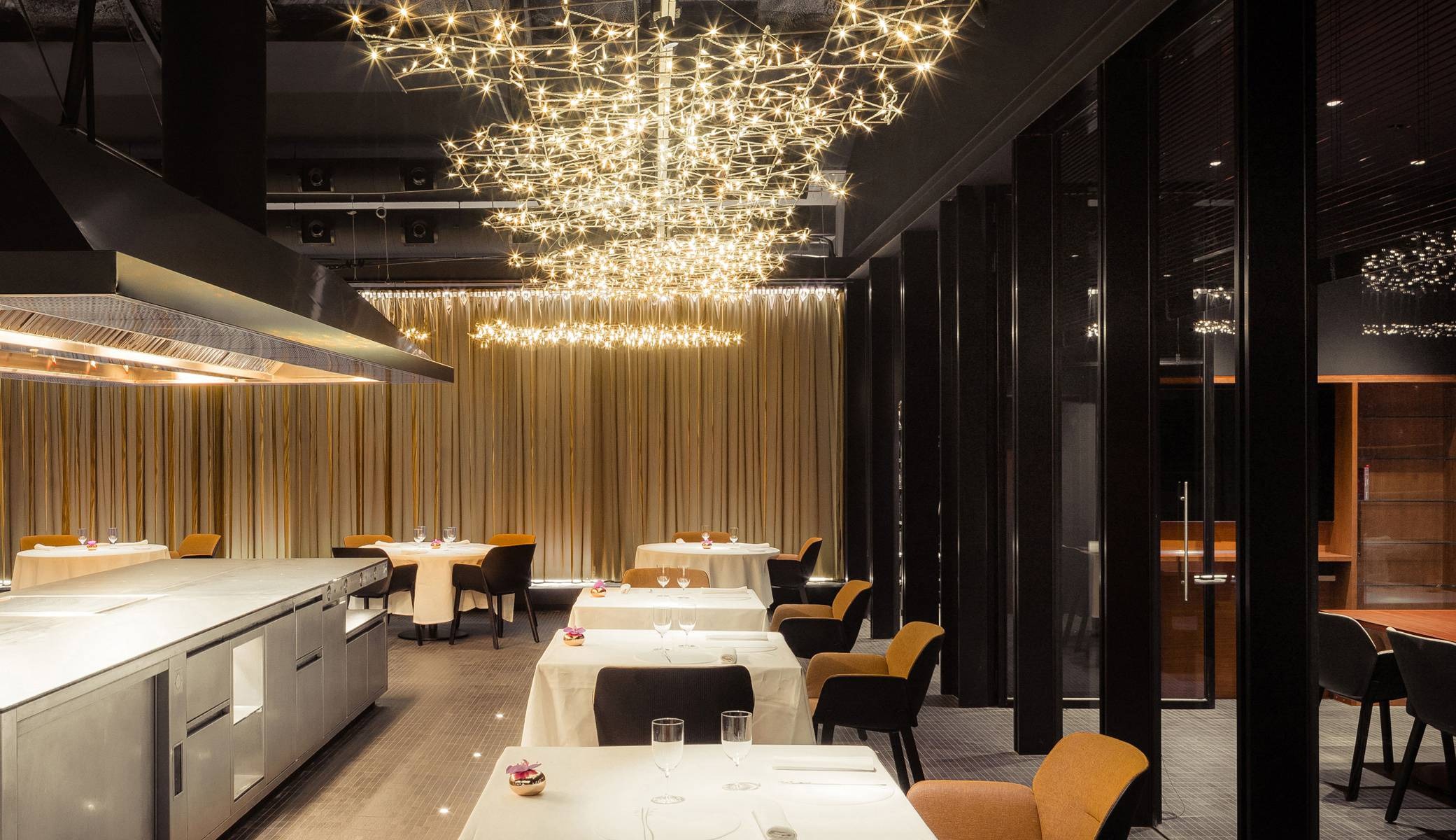
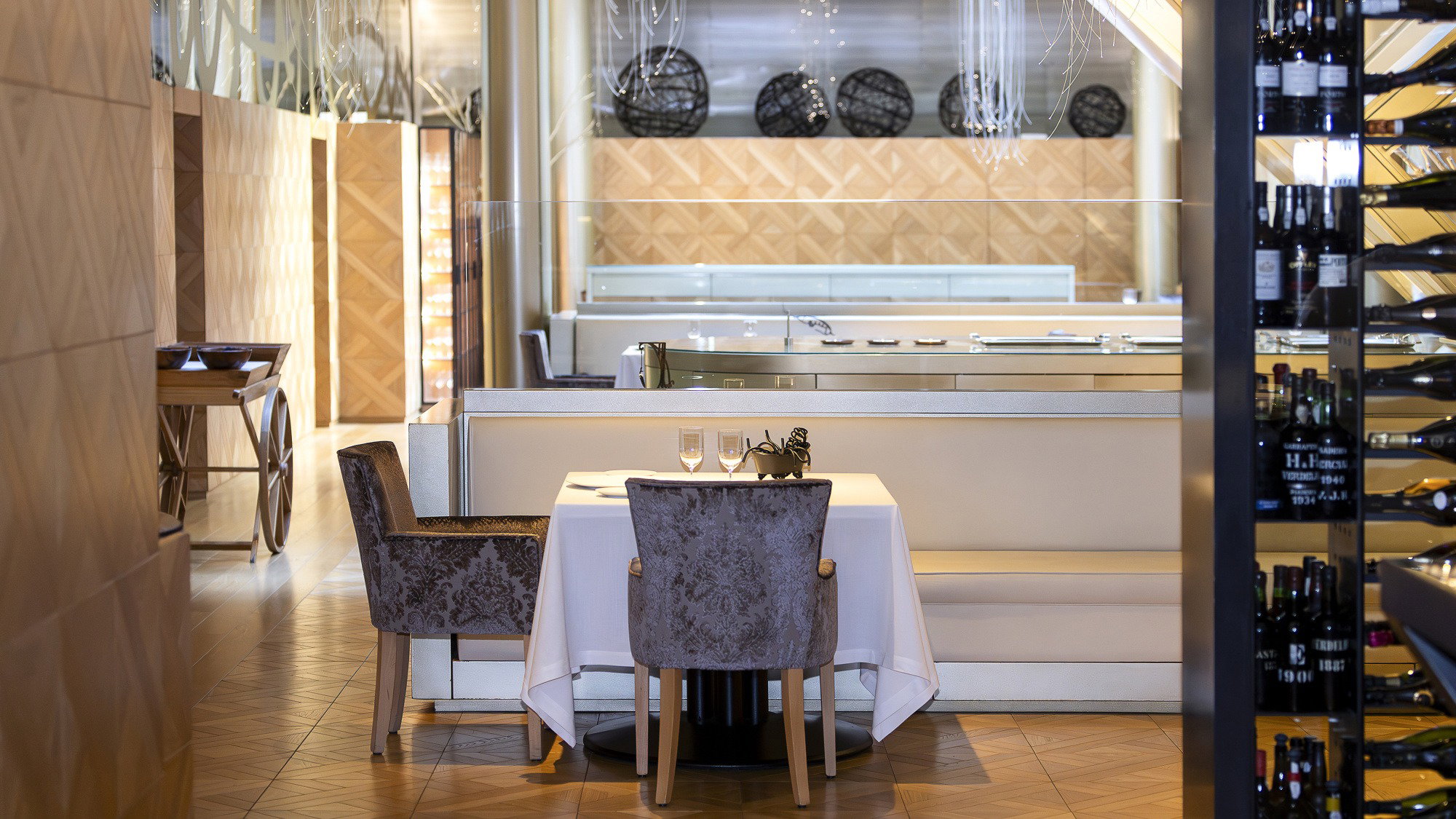
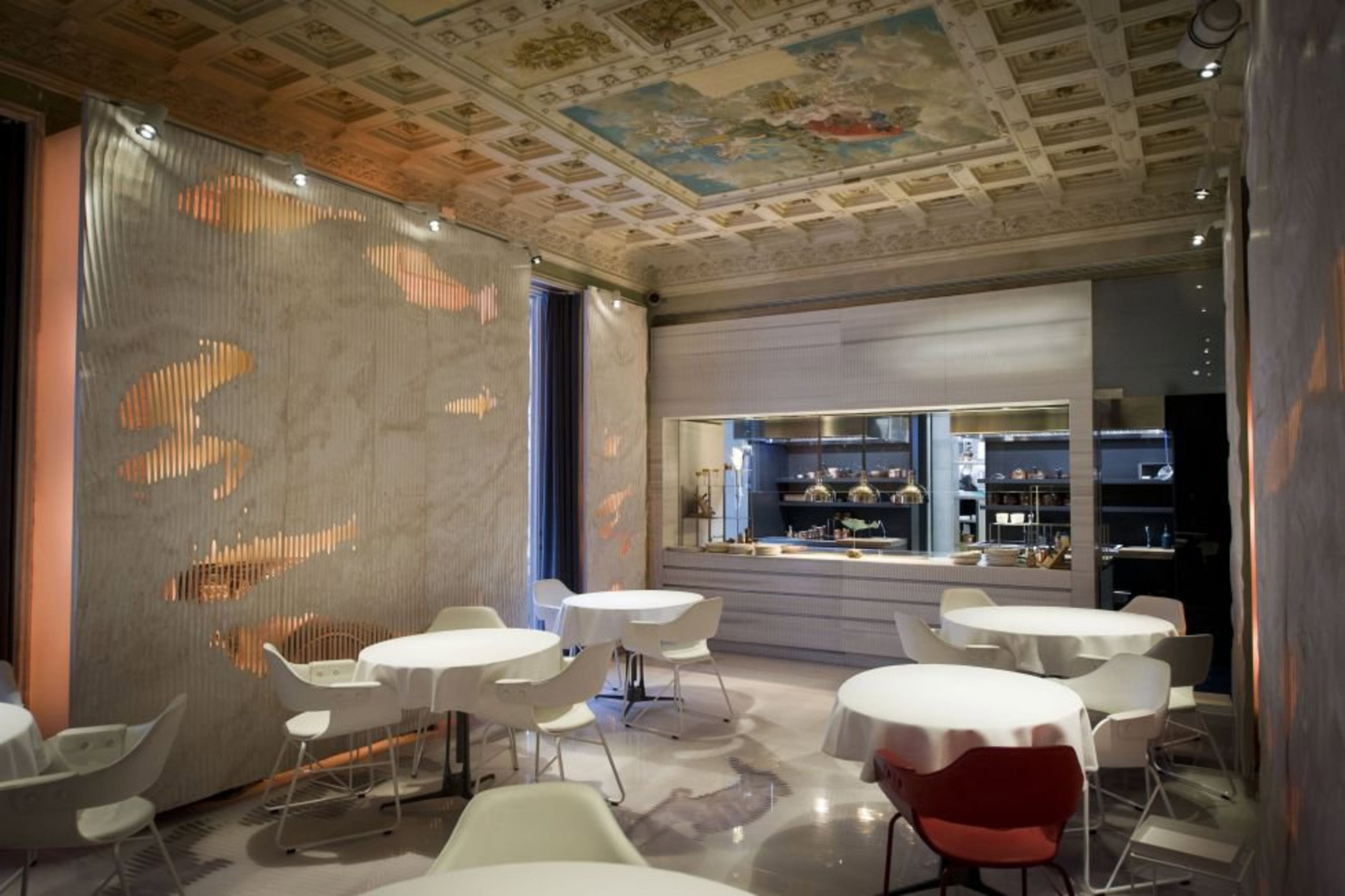
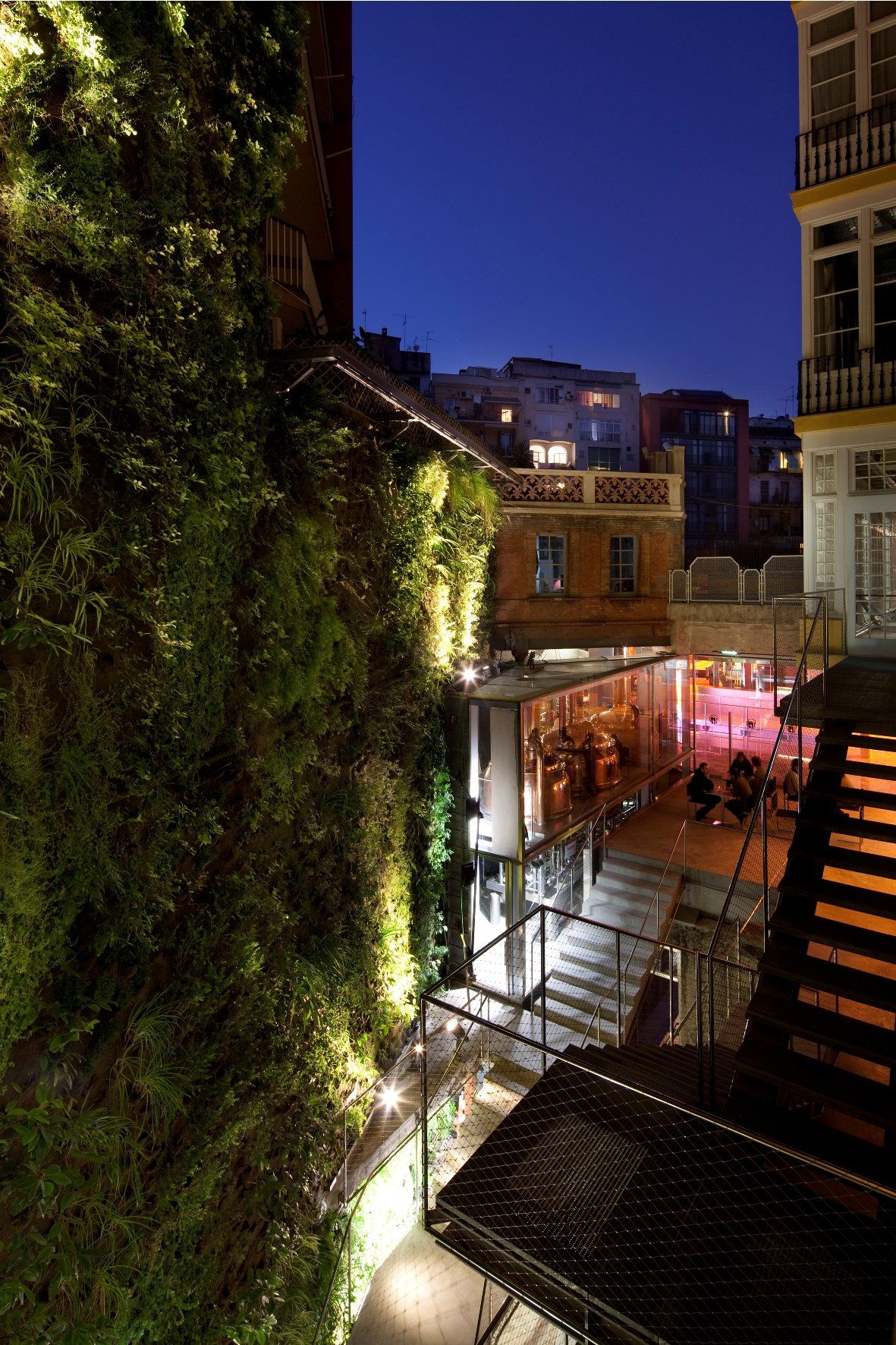
Fàbrica Moritz Barcelona foregrounds its building as the main attraction: a restored 19th‑century brewery with high ceilings, exposed structural elements and the scale of an industrial production space. The conversion preserves the material logic of the original factory, so visits feel like being inside a working piece of the city's past rather than a neutral hospitality box. The bar leans into Barcelona’s beer and vermut traditions, creating a convivial, down‑to‑earth atmosphere where historic architecture and casual drinking culture meet.
Best For
This is a go‑to for groups and anyone who wants a sociable, all‑day beer experience rooted in Barcelona’s market culture. Located on the edge of Eixample beside the busy Sant Antoni market, the place suits weekend visitors popping between stalls and locals who linger over vermut and small plates. It works well for after‑work drinks, lively weekend meetups and casual dinners that prioritize atmosphere and a varied beer selection over formal dining.
Ordering Tips
Lean into the venue’s strengths: order local beers and vermut selections that reflect Barcelona’s aperitivo tradition. The write‑up highlights the site’s brewery history and place within the city’s beer scene, so expect a strong beer programme rather than a cocktail focus. Visit during market hours on weekends if you want to feel the full social energy of Sant Antoni, and come prepared to share plates and sample a few different brews.
Venue details
Ambiance
Trendy and edgy atmosphere blending industrial heritage with bright colors, stark materials, and a cool, vibrant energy.
Tags
Vibe
Best For
Experience
Format
At the Bar
- Bar Category
- Beer Bar
- Late Night
- Open Until 4am
Signature Pours
- beer sangria
- beer kir
- beer Campari
Know before you go
Know Before You Go
- Getting there
- Rda. de Sant Antoni, 41, Eixample, 08011 Barcelona, Spain
Planning details
Location
Rda. de Sant Antoni, 41, Eixample, 08011 Barcelona, Spain · Directions
Also consider
Where to go if this is not the right fit
Choose Two Schmucks if the night needs a more cocktail-focused room. Choose BierCaB if the group is specifically looking for a beer-led Barcelona bar.
For a more date-friendly or polished alternative, compare Antiga Casa Buenavista Bar and Lounge and Dos Billares before committing.
Bar context
How it compares in Barcelona
Fàbrica Moritz Barcelona is the practical, lower-friction choice against this set: central, easy to use, and better for mixed groups than for a tightly planned cocktail night. Two Schmucks is the better call when cocktails are the point of the evening, while BierCaB is the more direct cross-shop for beer-focused drinkers.
For ambiance, Antiga Casa Buenavista Bar and Lounge and Dos Billares read as stronger choices for a date or a more composed hotel-bar-style evening. Fàbrica Moritz Barcelona wins on ease and group utility, not on intimacy.
Bar Restaurant Pinotxo sits in a different lane: more market-bar energy than big-room drinks stop. Choose Pinotxo when the plan is food-led and daytime-leaning; choose Fàbrica Moritz Barcelona when the plan needs a flexible central anchor with late hours.
Around this place
Discover more on Pearl
Unlock the full Fàbrica Moritz Barcelona guide in Pearl, including awards, comparisons, FAQs, planning details, and nearby places.
Compare Fàbrica Moritz Barcelona
| Venue | Location | Awards |
|---|---|---|
| Fàbrica Moritz Barcelona | Barcelona | No published awards |
| Antiga Casa Buenavista Bar and Lounge | Barcelona | No published awards |
| Two Schmucks | Barcelona | No published awards |
| Bar Restaurant Pinotxo | Barcelona | No published awards |
| Dos Billares | Barcelona | No published awards |
| BierCaB | Barcelona | No published awards |
How Fàbrica Moritz Barcelona compares with similar nearby venues.
FAQ
Frequently Asked Questions
What's the best time to go to Fàbrica Moritz Barcelona?
Fàbrica Moritz Barcelona is open daily from 12 PM to 1 AM, so the best time depends on your plan. Go earlier if you want a daytime or early-evening meet-up, and later if you need a Barcelona venue with late hours. For comparison, Dos Billares or Two Schmucks may be worth considering for a different plan.
What is Fàbrica Moritz Barcelona known for?
Fàbrica Moritz Barcelona is in Barcelona, has a casual dress code, and is open daily from 12 PM to 1 AM. It is a straightforward option for flexible plans, though cuisine, menu, price, service style, and drinks focus are not specified.
Where is Fàbrica Moritz Barcelona located?
Fàbrica Moritz Barcelona is located in Barcelona.
How can I contact Fàbrica Moritz Barcelona?
Check current information before planning.