



Dr Stravinsky
Sant Pere, Santa Caterina i la Ribera, Barcelona
Bar in Barcelona, Spain
 Book with Pearl
The Read
Price
$20–30per person
Why go
Dr Stravinsky is a practical pick for late drinks in Barcelona's Ciutat Vella, especially after dinner nearby. It is not the right choice if the group needs a full food-led booking, but it works well for small parties that want a central cocktail stop with easy booking difficulty and late hours.
About Dr Stravinsky
For a late Barcelona plan, Dr Stravinsky works best as a smart-casual evening-to-late-night option. It is in Barcelona and keeps late hours most days. If cuisine, menu, pricing, seating, reservations, or service format are important to your plans, check directly before going.
A better call for late plans than for detail-heavy planners
The main reason to consider Dr Stravinsky is timing. It opens at 5 PM Monday through Friday, stays open until 2 AM from Monday to Thursday, and runs until 3 AM on Friday. On Saturday it is listed from 12–4:30 PM and 5 PM–3 AM; on Sunday, from 12–4:30 PM and 5 PM–2 AM.
Keep expectations practical if you need cuisine, menu, drinks, or price details. Use Dr Stravinsky when the schedule works for your time in Barcelona, and confirm any specific needs directly before going. The smart casual dress code makes it a safer choice for guests who want a polished but not overly formal plan.
Where it sits in the Barcelona decision set
Compared with other Barcelona options, Dr Stravinsky is the one to consider when its hours and smart casual dress code fit your plan. Taller de Tapes may be another option to compare, while Bar de Pla and Can Cisa - Bar Brutal are also useful reference points when deciding where to spend the evening.
Do not assume booking difficulty, seating layout, menu format, or group suitability. If those specifics matter, check directly before committing. The clearest advantages are the Barcelona location, the smart casual dress code, and the late closing times, especially on Friday and Saturday.
Quick reference: consider Dr Stravinsky for a Barcelona plan built around its hours and smart casual dress code; compare other options if you need more detail before choosing.
Planning details
- Location
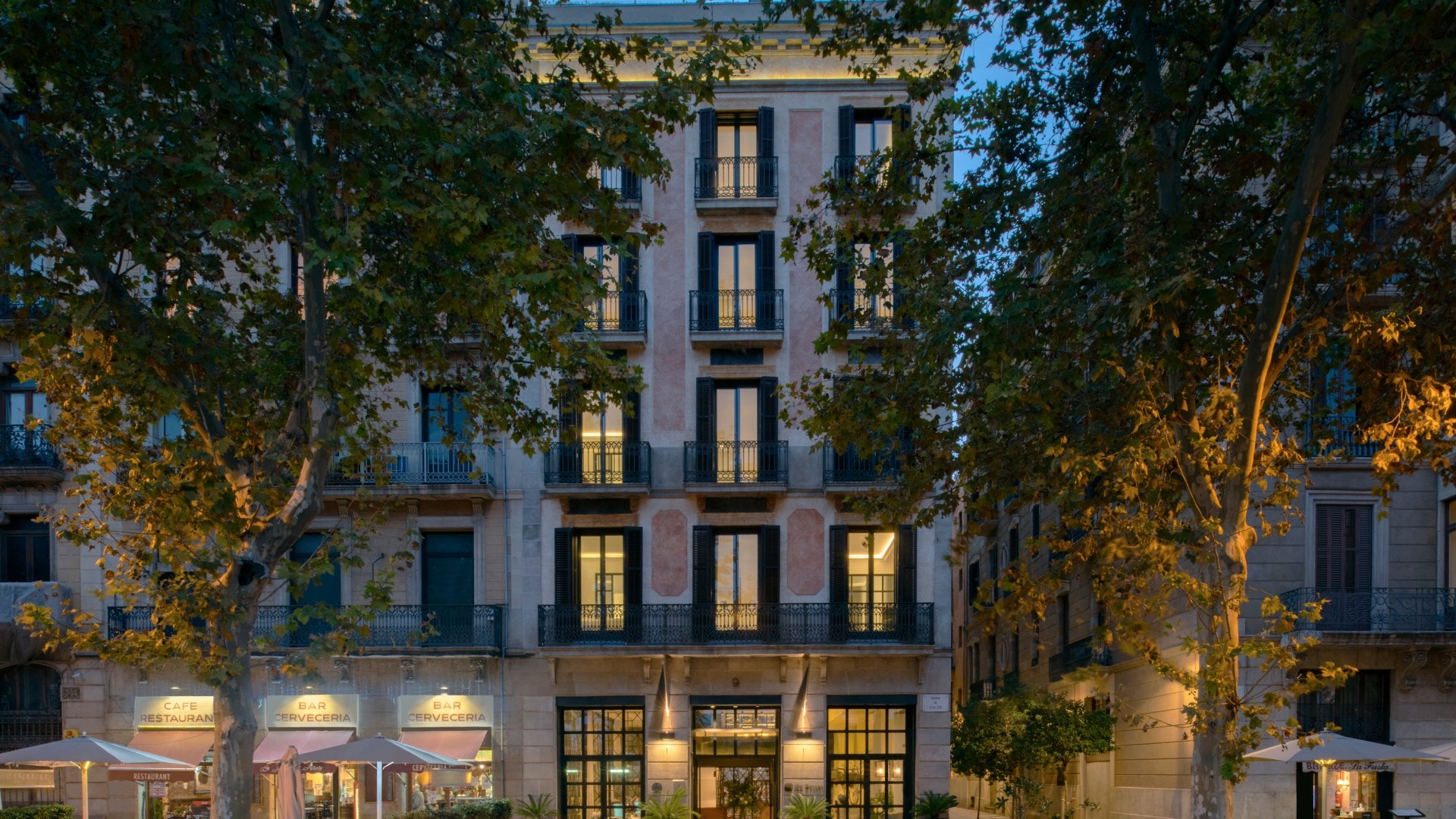
- Carrer dels Mirallers, 5, Ciutat Vella, 08003 Barcelona, Spain
- Website
- drstravinsky.cat
- Phone
- +34931571233
The take
The Take
The Vibe
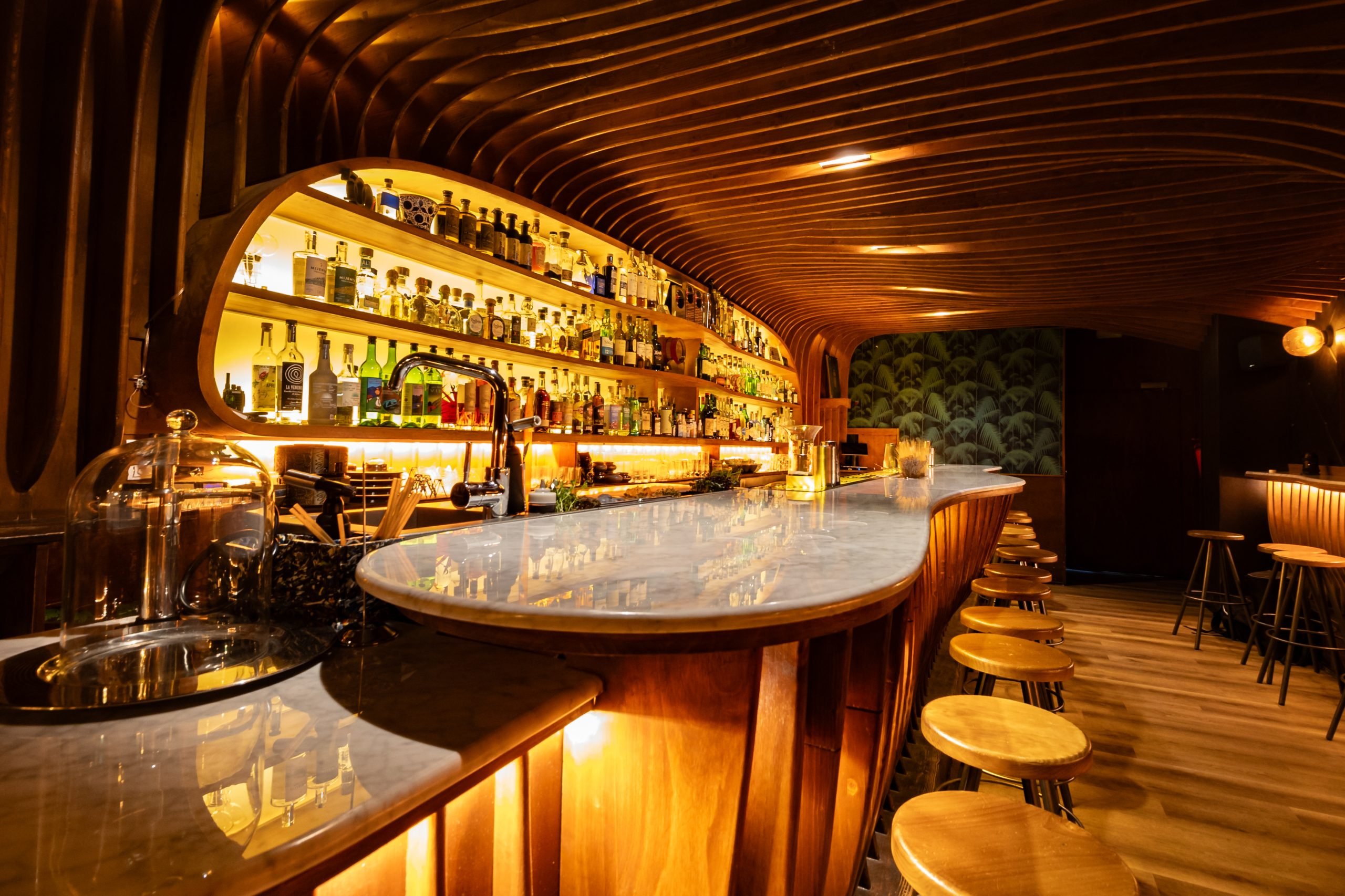
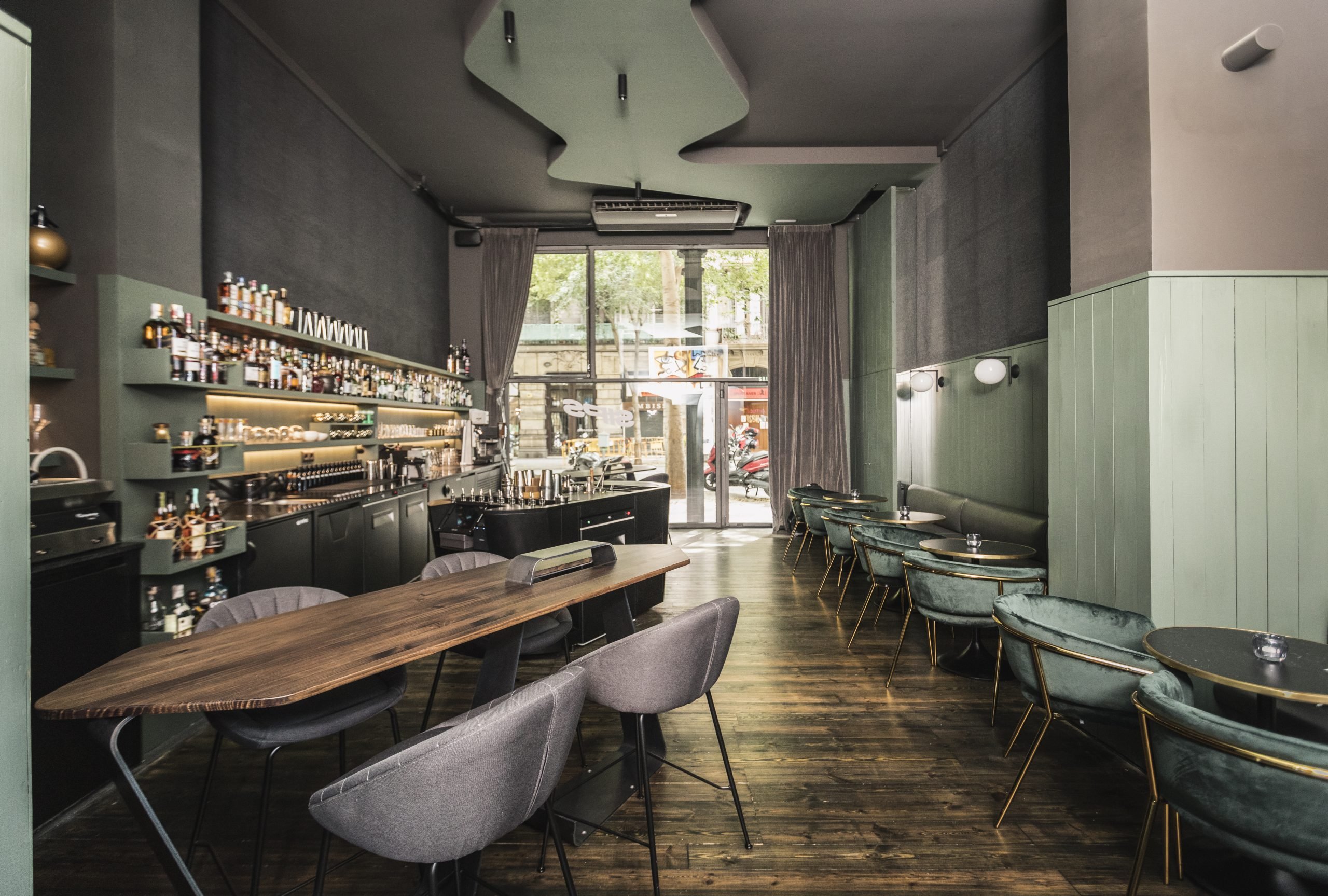
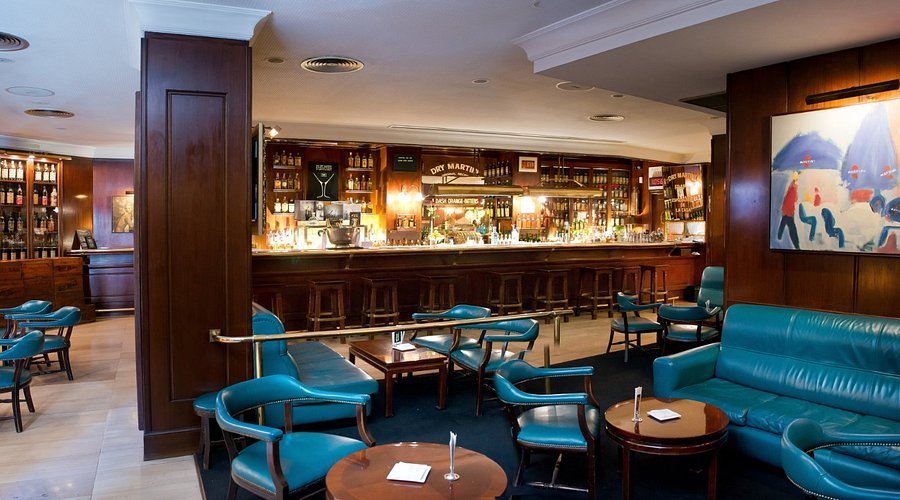
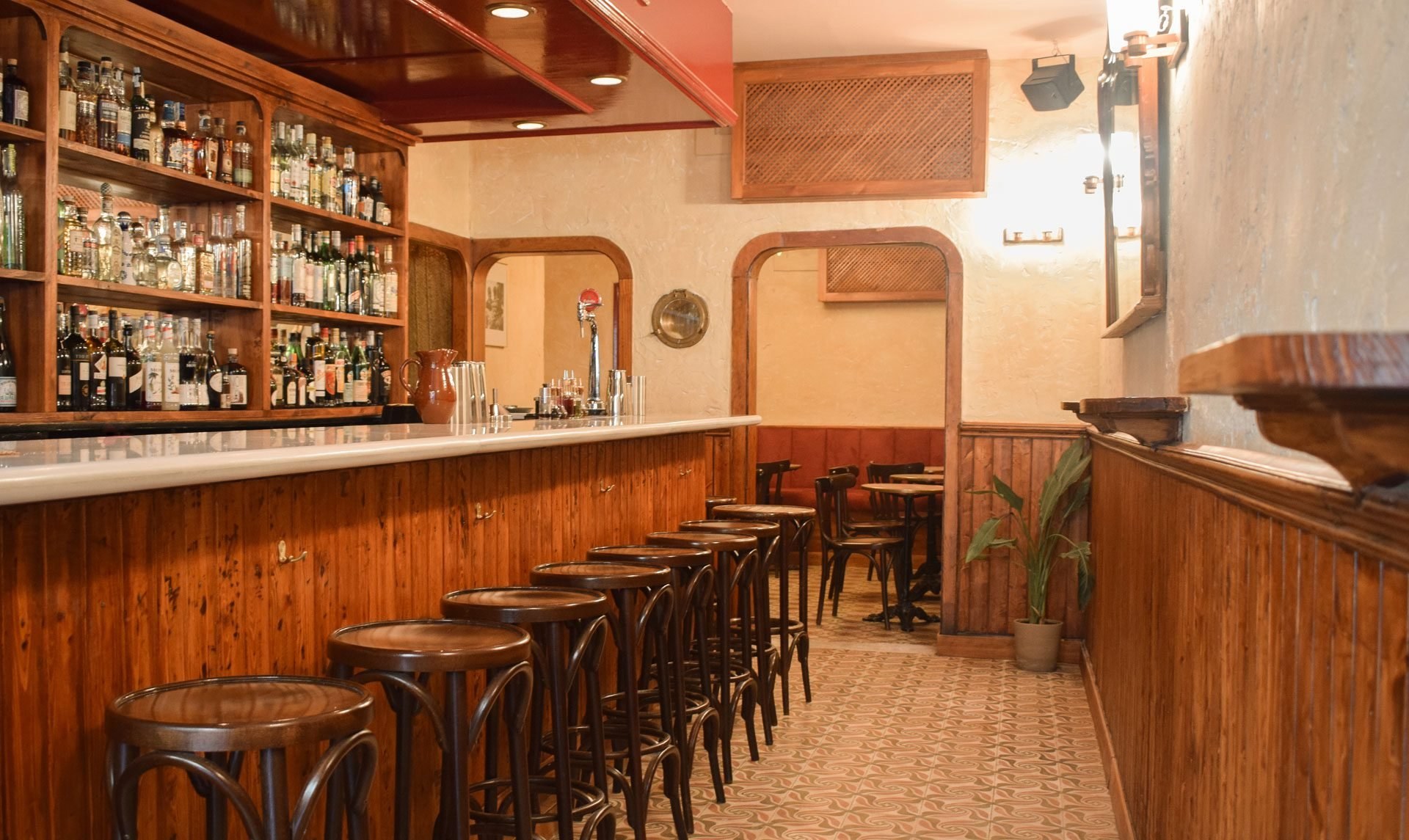
Dr Stravinsky sits quietly at the specialist end of El Born's bar scene, delivering a focused, drinks-first experience. The bar leans into technique and ingredient provenance, which gives the place a polished, deliberate character rather than a volume-driven tapas vibe. Its narrow-street location and carefully curated program attract a mix of locals and informed visitors, producing a tucked-away, discovery feel. Expect a late-evening, sophisticated energy that still feels approachable — a small operation that trades on specificity, thoughtful cocktails and attentive, craft-forward service rather than spectacle.
Best For
This is an evening destination: ideal for date nights, after-work drinks and small special occasions when you want the cocktails to be the point of the visit. The bar’s intimate scale and drinks-focused reputation make it suited to couples and small groups who appreciate technique, provenance and detailed preparation. Locals and travelers who read menus closely populate the room, so it’s a good pick for those who enjoy thoughtful, conversation-friendly evenings rather than boisterous large-group gatherings. Plan to go in the early evening through late night hours.
Ordering Tips
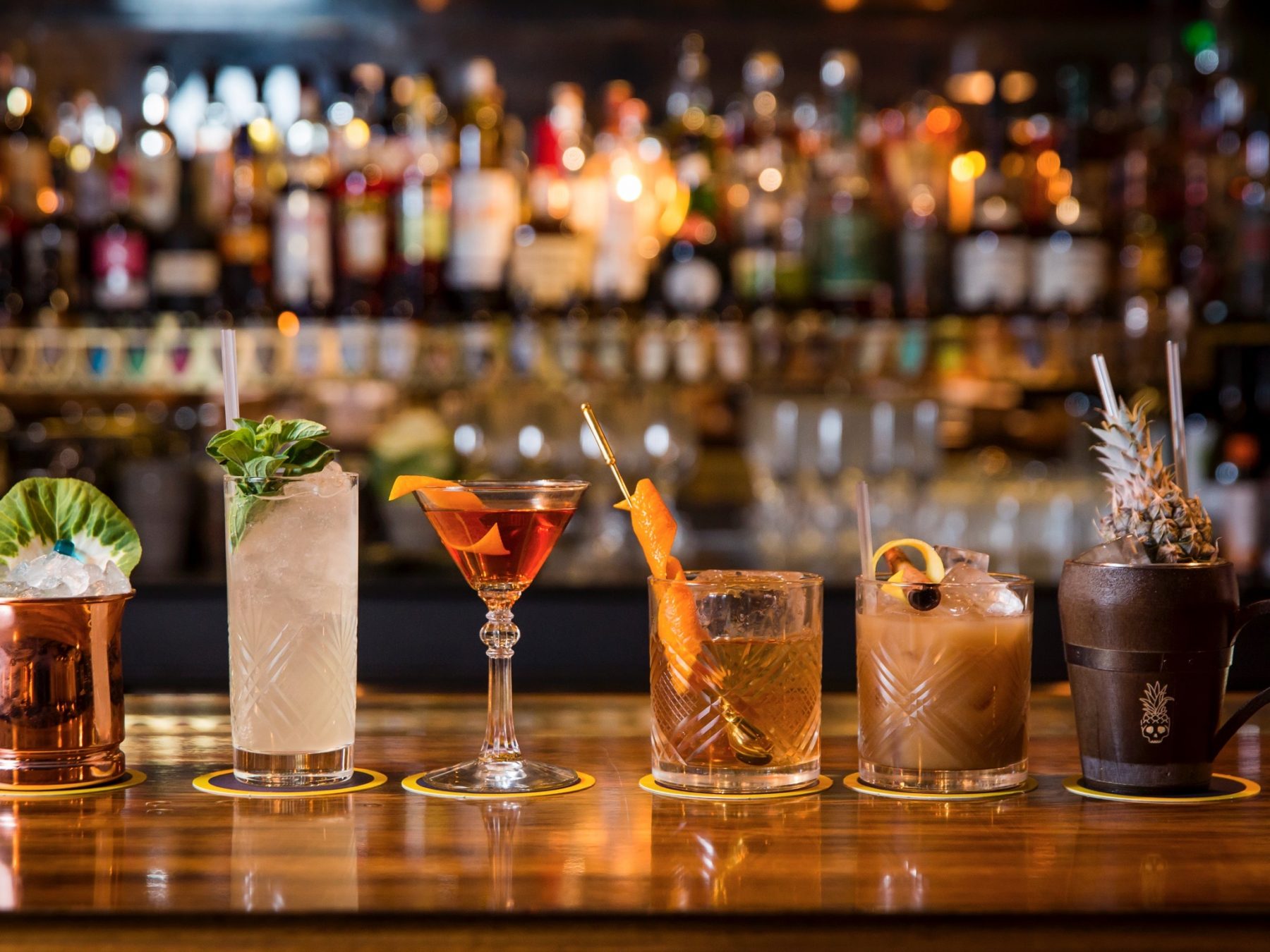
Lean into the signature drinks and small bites that showcase the bar’s approach. Try the Soil Dry Martini and the Stravinsky Gilda to experience the house cocktail techniques, and pair them with the Smoked Mediterranean Olives or the Artisan Catalan Cheese Platter for simple, complementary flavors. The menu rewards curiosity about provenance and preparation, so ask the bartenders about ingredients, clarifications or alternate serves if you’re interested in technique. Given the bar’s focused program, ordering a couple of carefully made cocktails rather than rounds of simple drinks delivers the most memorable experience.
Venue details
Ambiance
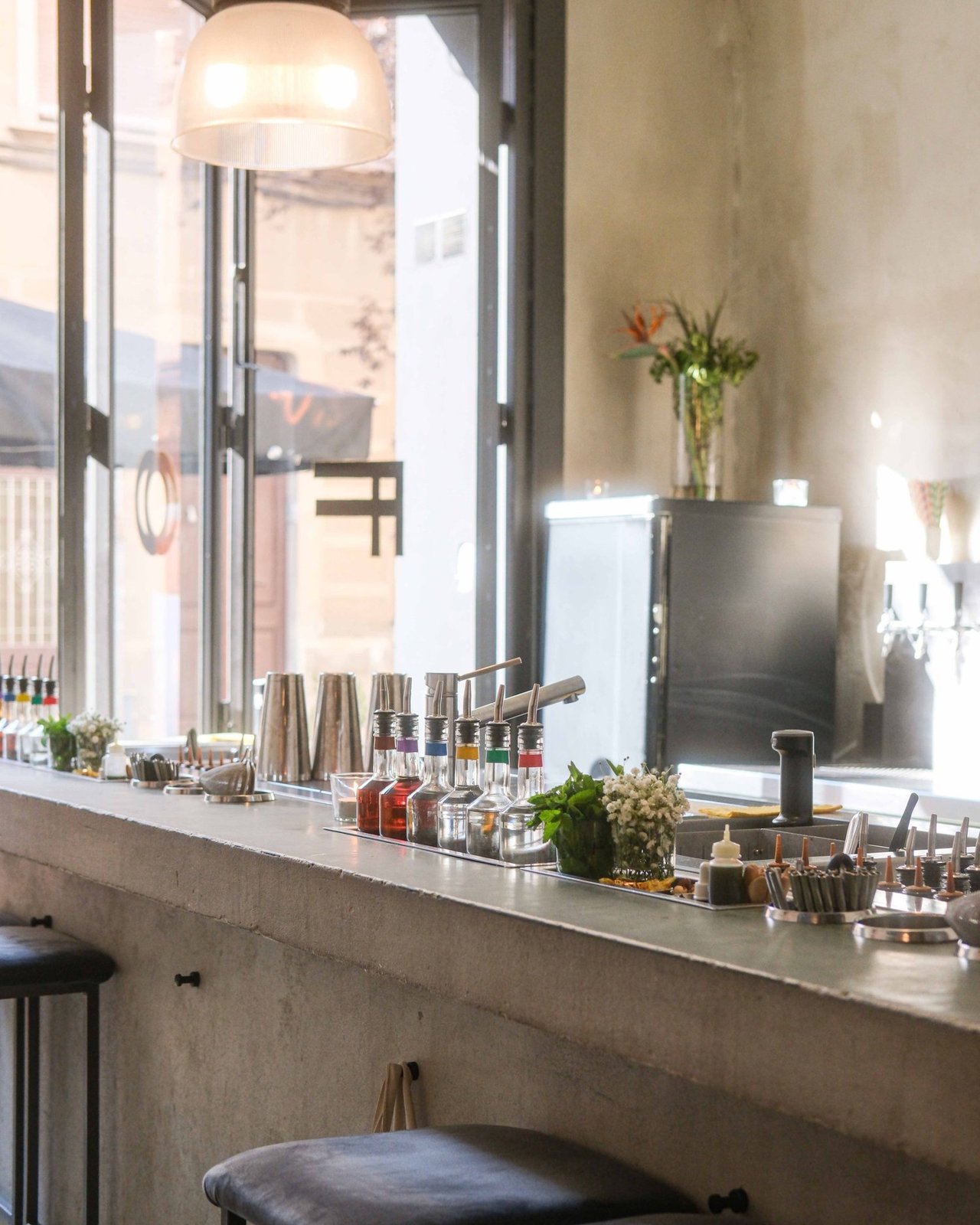
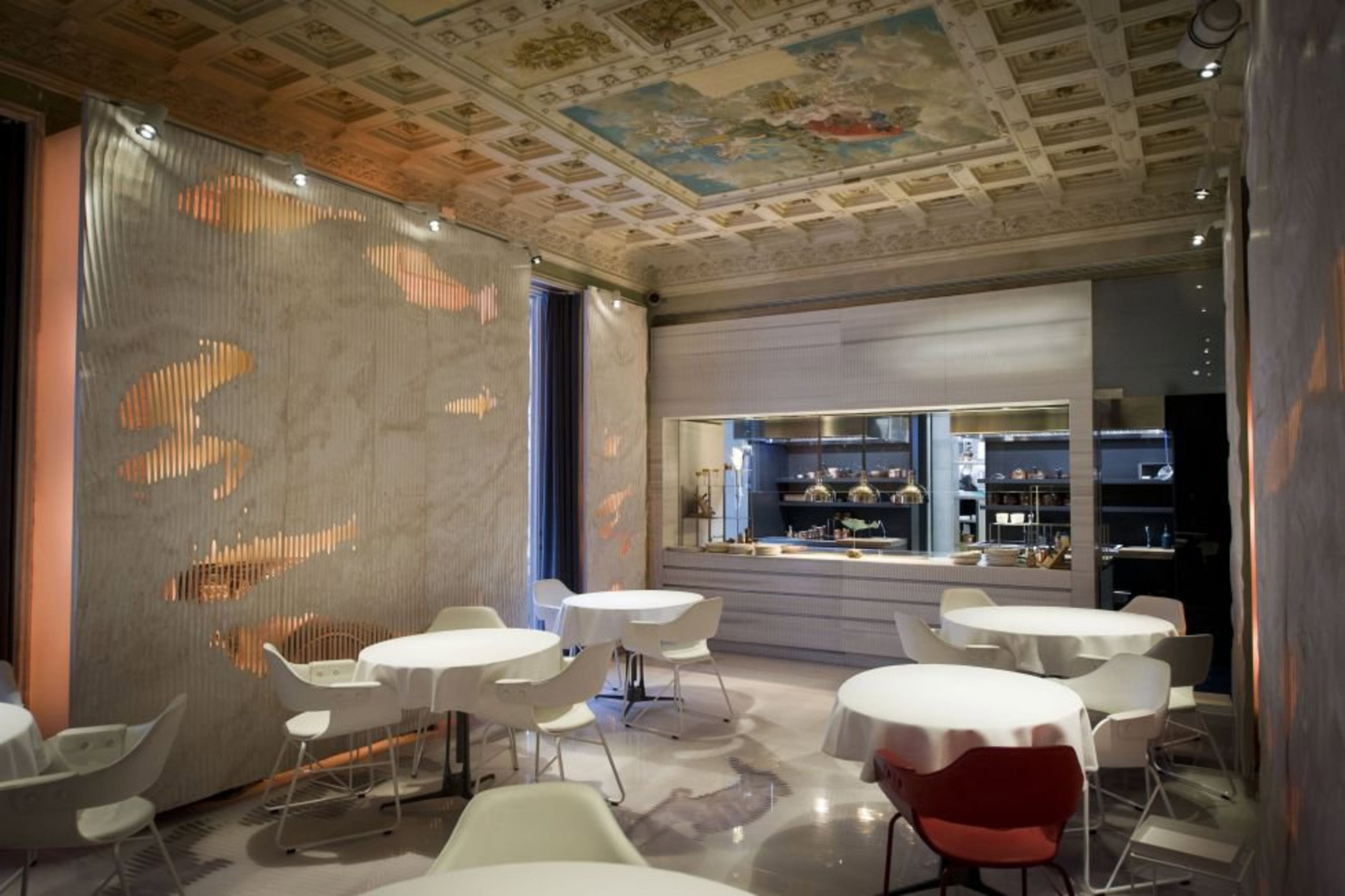
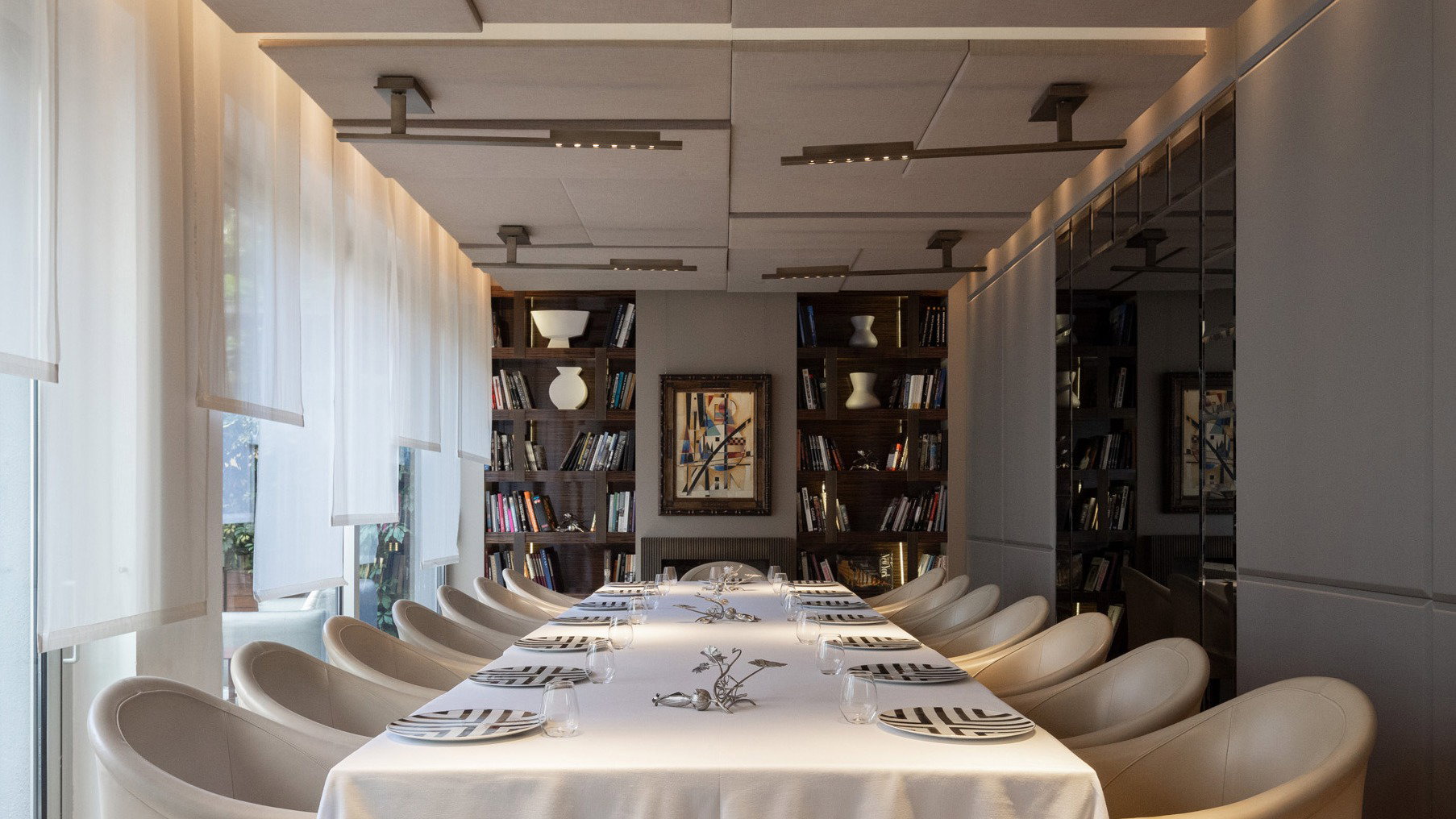
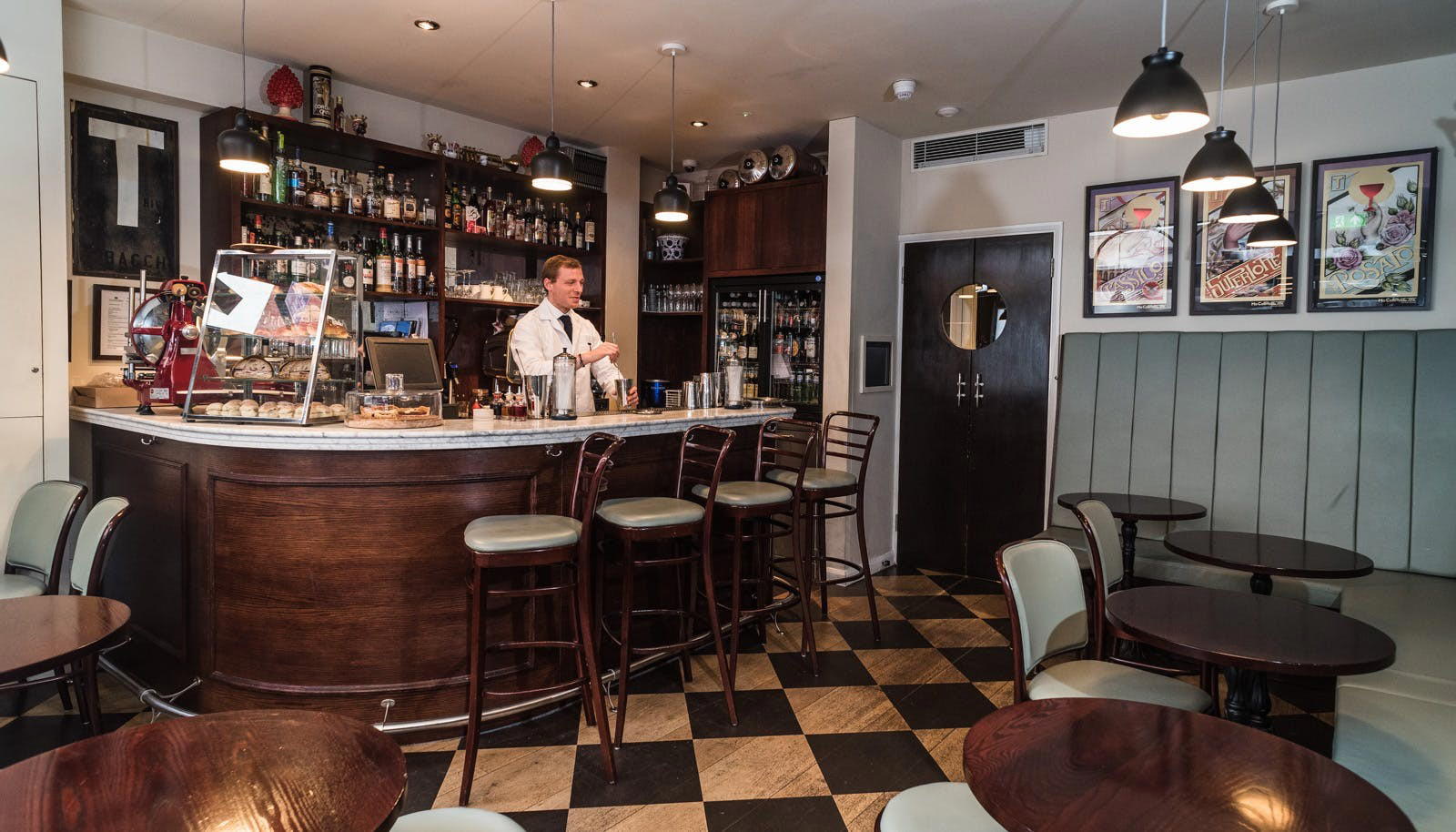
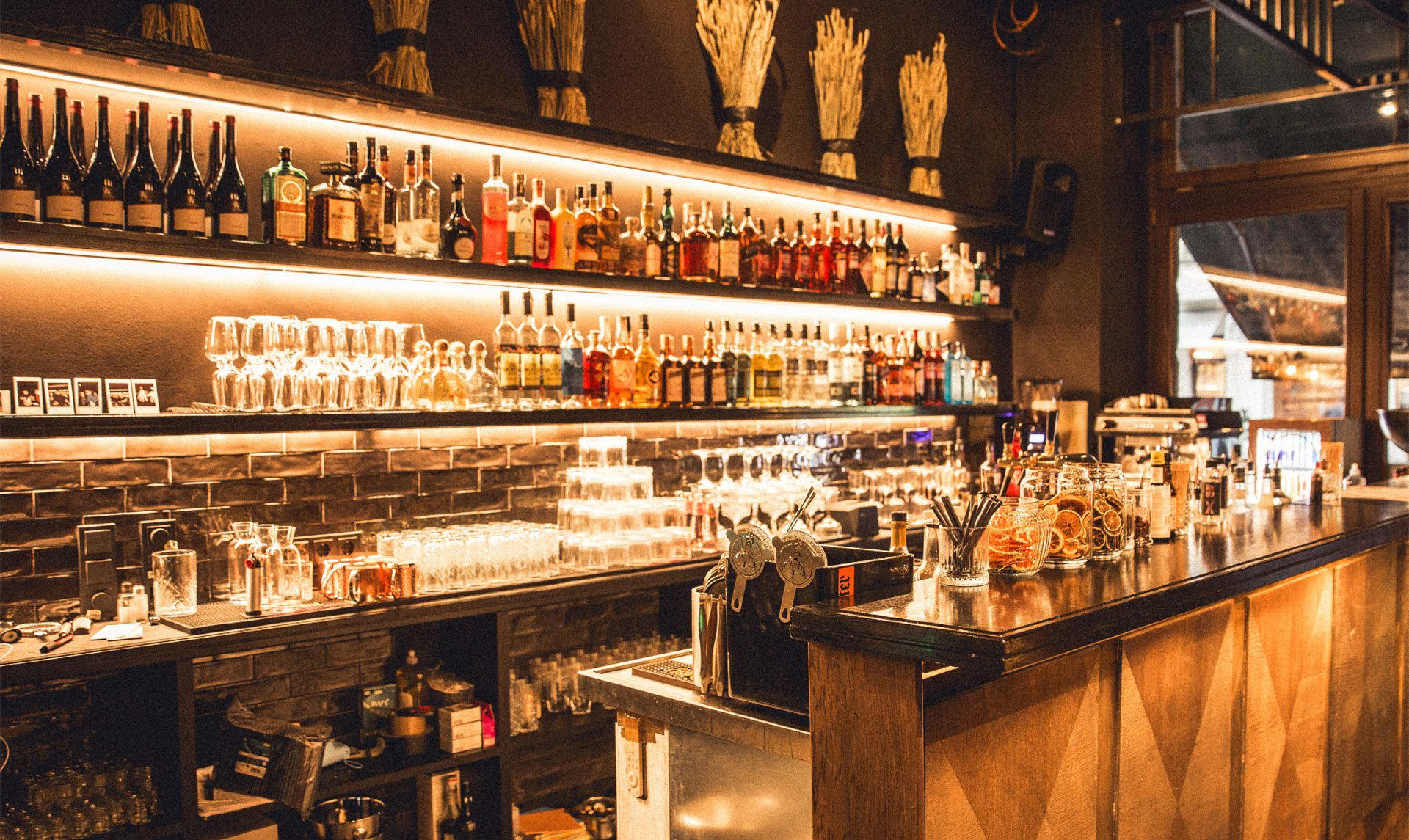
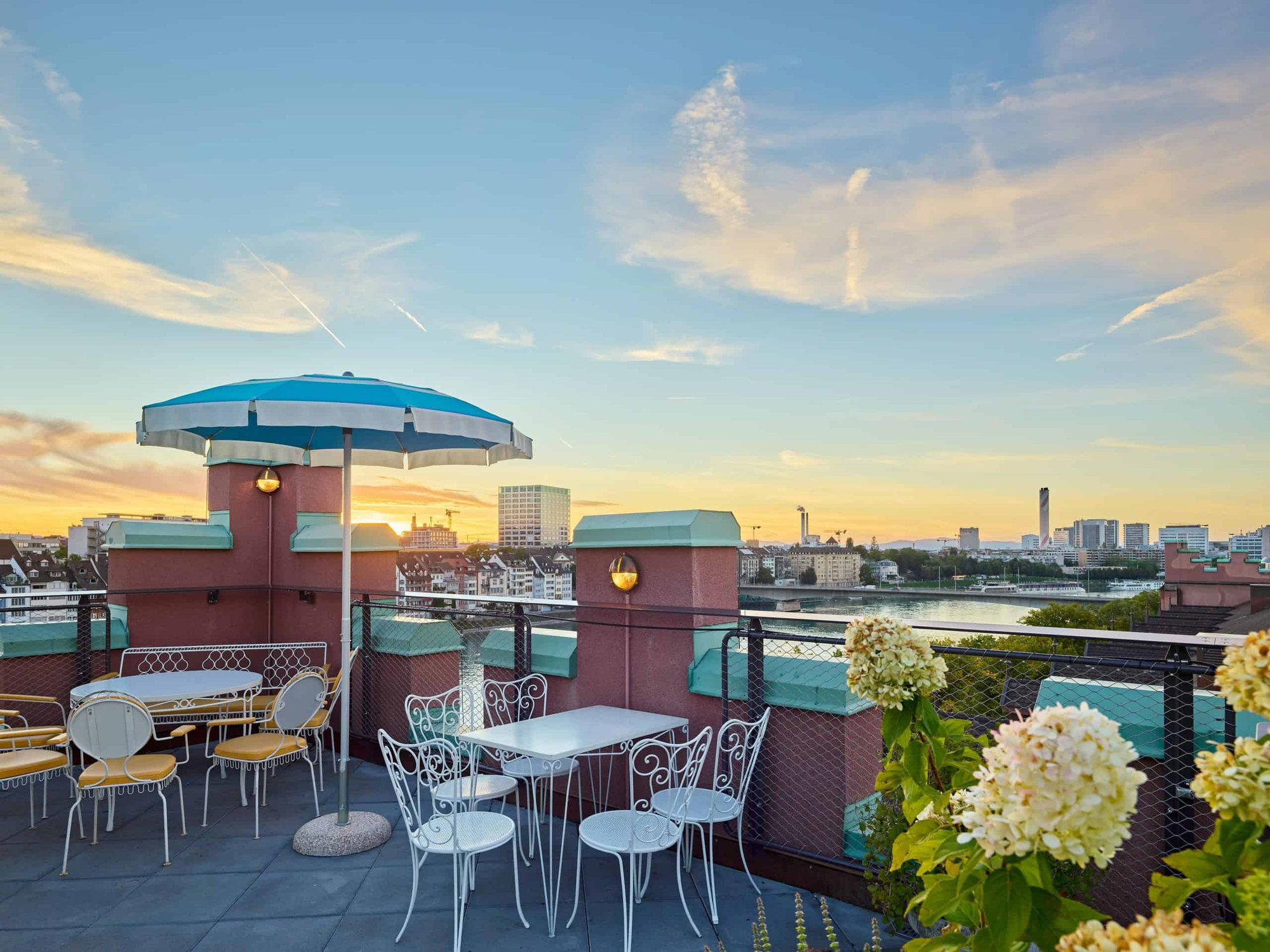
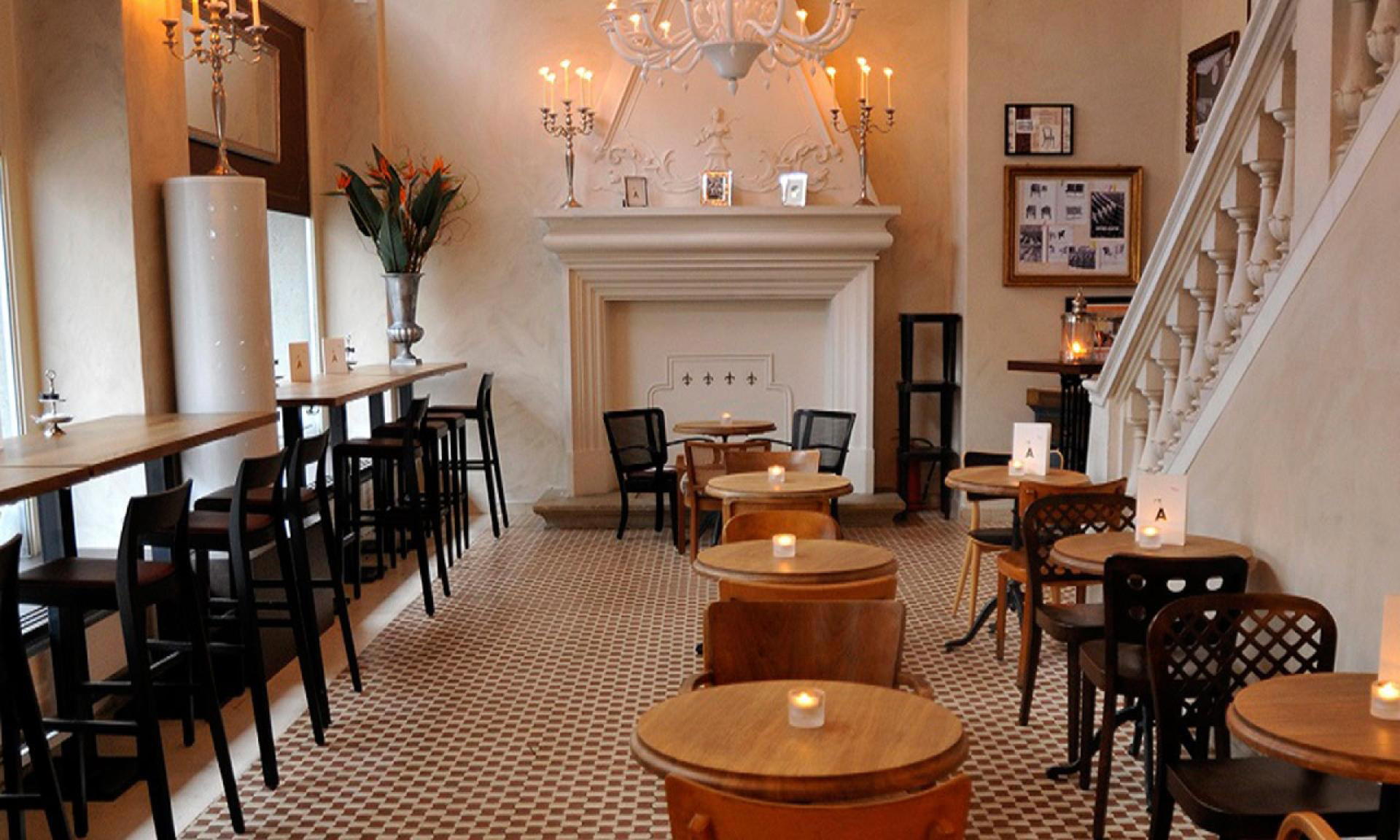
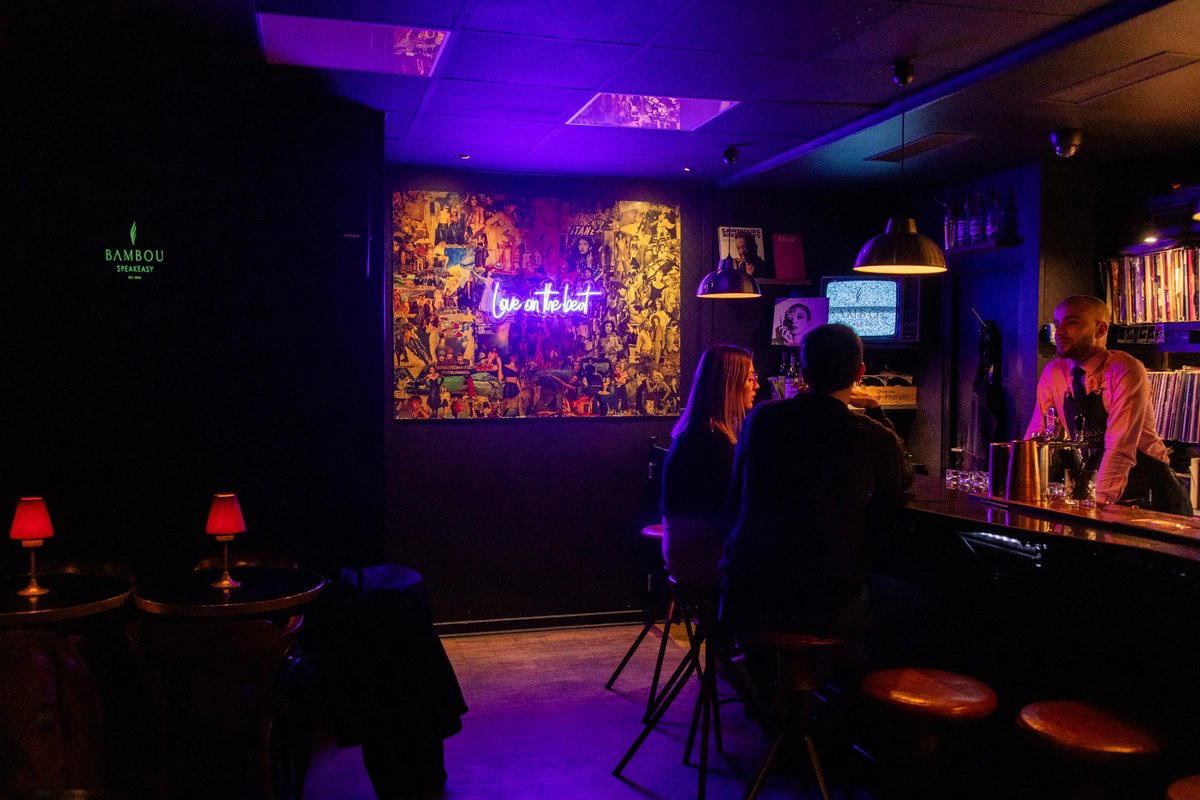
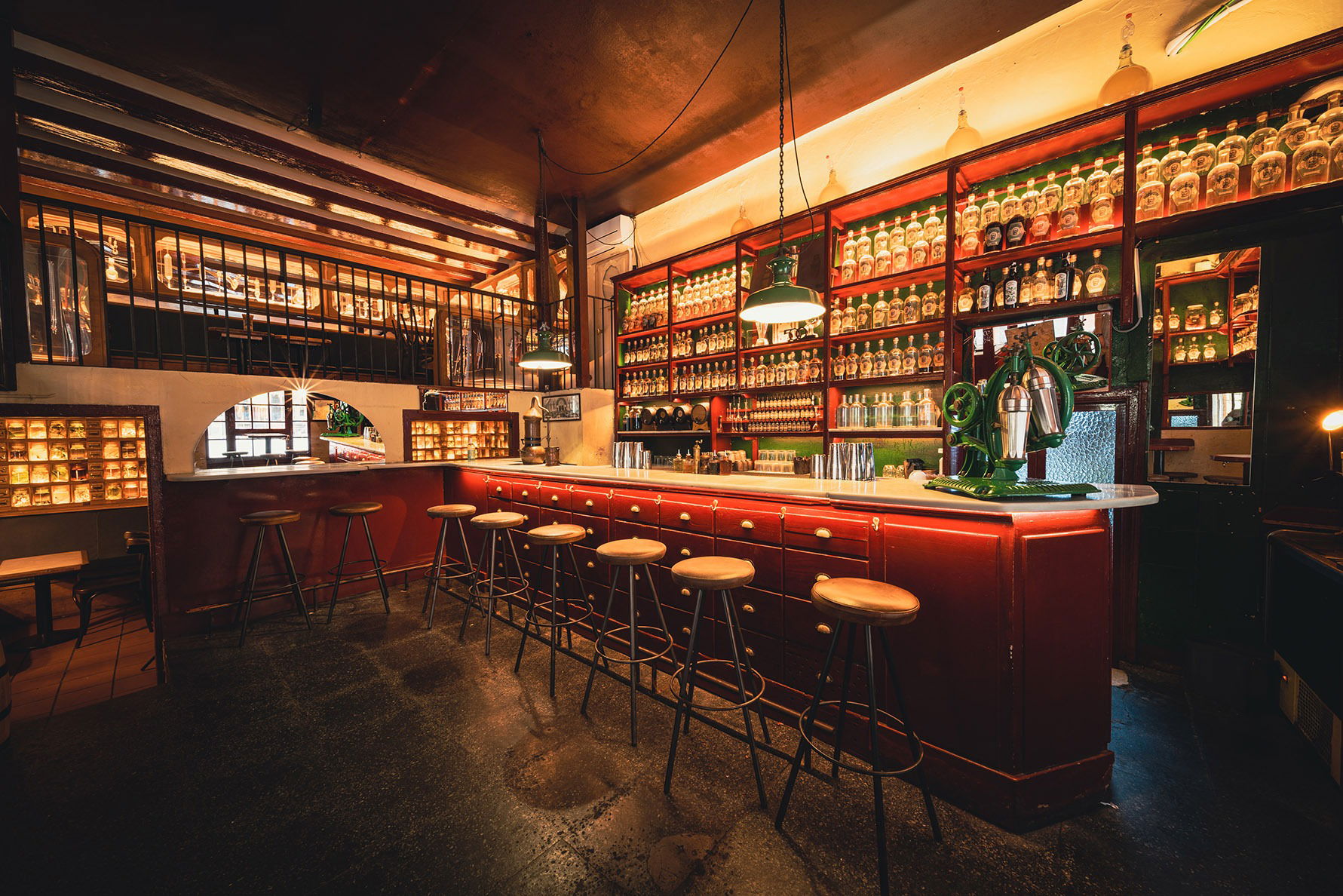
An apothecary-like cocktail lab with a mysterious, whimsical, experimental atmosphere, built around backlit bottles, fermenting jars, and a theatrical laboratory feel.
Tags
Vibe
Best For
Experience
Format
View
At the Bar
- Bar Category
- Cocktail Bar
- Late Night
- Open Until 4am
- Music
- Curated Ambient Playlist
- Spirits Focus
- Gin, Rum, Tequila, Whiskey, Mezcal, Vodka
- Opened
- 2017
Signature Pours
- Camp Nou
- 90 Millas
- Generoso Sour
- Sir Sazerac
- Tuber Negroni
Know before you go
Know Before You Go
- Getting there
- Carrer dels Mirallers, 5, Ciutat Vella, 08003 Barcelona, Spain
Planning details
Location
Carrer dels Mirallers, 5, Ciutat Vella, 08003 Barcelona, Spain · Directions
Recognition and awards


Also consider
Where to go if this is not the right fit
If the group wants wine rather than cocktails, book Can Cisa - Bar Brutal. If dinner is the priority, choose Bar de Pla or Taller de Tapes instead.
Bar context
How it compares in Barcelona
Choose Dr Stravinsky over Taller de Tapes or Bar de Pla when drinks are the point and dinner has already happened. Taller de Tapes is the easier all-purpose tapas choice, while Bar de Pla is the stronger fit for a sit-down food plan. Dr Stravinsky is better as a second stop in Ciutat Vella.
If the group is wine-led, Can Cisa - Bar Brutal is the sharper cross-shop because its identity is explicitly wine bar. SAGARDI BCN Gòtic is more useful when the plan needs a food-first old-city venue, while Grasshopper Ramen Bar is the better call when the group wants a casual meal rather than cocktails.
On booking difficulty, Dr Stravinsky is the low-friction option in this set. Use it for a flexible night out, not for a high-structure celebration dinner.
Around this place
Discover more on Pearl
Unlock the full Dr Stravinsky guide in Pearl, including awards, comparisons, FAQs, planning details, and nearby places.
Compare Dr Stravinsky
| Venue | Location | Cuisine | Awards |
|---|---|---|---|
| Dr Stravinsky | Barcelona | , | 2026 Falstaff Bar Guide2026 Pinnacle GuideTop 500 Bars 2025 · #292025 World's 50 Best Bars · #832019 World's 50 Best Bars · #25 |
| Taller de Tapes | Barcelona | , | No published awards |
| Bar de Pla | Barcelona | Belgian | No published awards |
| SAGARDI BCN Gòtic | Barcelona | , | No published awards |
| Can Cisa - Bar Brutal | Barcelona | Wine Bar | Star Wine Lists 20262026 OAD Casual in Europe Recommended2026 Falstaff Restaurant Guide2025 OAD Casual in Europe Ranked · #7242023 OAD Casual in Europe Recommended |
| Grasshopper Ramen Bar | Barcelona | , | No published awards |


How Dr Stravinsky Barcelona compares with similar nearby venues.
FAQ
Frequently Asked Questions
What should a first-timer know about Dr Stravinsky?
Start with the basics: Dr Stravinsky is in Barcelona, has a smart casual dress code, and keeps late hours. It opens at 5 PM Monday through Friday, with later closing on Friday and Saturday. Check directly for specific menu, price, reservation, and service details.
Is Dr Stravinsky good for a special occasion?
It may work for a Barcelona occasion if the hours and smart casual dress code suit your plans. For an important event, confirm menu, pricing, seating, atmosphere, and reservation requirements directly before relying on it. Can Cisa - Bar Brutal is another option to compare.
How far ahead should I book Dr Stravinsky?
For booking, check directly before you go, especially late on Friday or Saturday when the listed hours run until 3 AM. Bar de Pla and Taller de Tapes are also worth comparing if you are deciding among Barcelona venues.
Is lunch or dinner better at Dr Stravinsky?
The schedule shows evening opening from Monday to Friday and split daytime/evening hours on Saturday and Sunday: 12–4:30 PM and 5 PM–late. Do not assume a lunch or dinner format without checking directly. SAGARDI BCN Gòtic or Taller de Tapes may be useful alternatives to compare.