
Bar in Barcelona, Spain
Casa Gràcia
100ptsEixample Boulevard Drinking
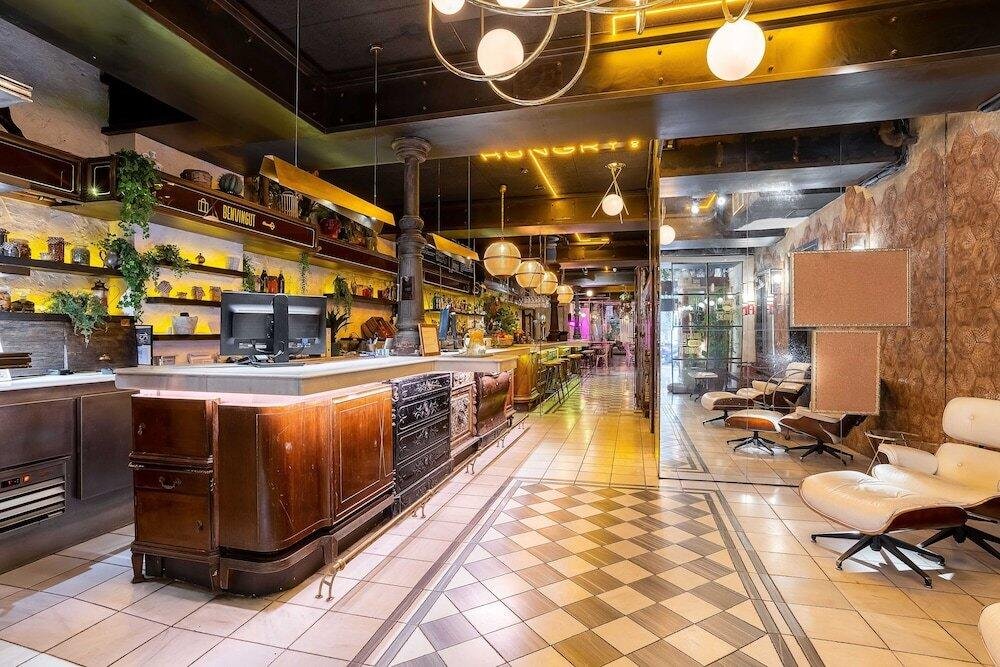
About Casa Gràcia
Casa Gràcia occupies a storied address on Passeig de Gràcia, one of Barcelona's most architecturally charged boulevards, where the bar and social spaces function as an extension of the neighbourhood's long tradition of convivial, design-conscious gathering. The programme draws from Catalan and broader Spanish drinking culture, positioning it alongside Barcelona's more considered cocktail addresses. Booking ahead is advisable, particularly on weekends.
A Boulevard Built for Lingering
Passeig de Gràcia does not do understated. The avenue that runs through the Eixample district carries the full weight of Modernista Barcelona: Gaudí's Casa Batlló and Casa Milà face off against Domènech i Montaner's Casa Lleó Morera, and the boulevard between them functions as much as a civic promenade as a thoroughfare. It is in this context that Casa Gràcia sits, at number 116Bis, where the architecture sets a standard for any venue that takes its address seriously. Places along this stretch are not simply bars or hotels; they are participants in an ongoing conversation about what Barcelona considers worth preserving and worth inhabiting.
The social culture of the Eixample and the Gràcia district immediately above it has always been distinct from the tourist-facing intensity of the Gothic Quarter or El Born. Residents here drink with intention. The evening begins later, the pace holds longer, and the distinction between a bar, a lounge, and a social club blurs in a way that reflects the Catalan tradition of the local as a genuine neighbourhood institution rather than a transactional stop. Casa Gràcia operates within that tradition, making it less of a destination to check off and more of a place to understand in relationship to the city's rhythm.
The Catalan Drinking Tradition and Where Casa Gràcia Sits Within It
Barcelona's bar culture carries a longer and more layered history than its global reputation as a party city tends to suggest. The city produced some of Spain's earliest cocktail institutions: Boadas, opened in 1933 and still operating on Las Ramblas, is one of the oldest cocktail bars in the country. Dry Martini on Carrer d'Enric Granados has been the reference point for classic technique in the city since the 1970s. Against that backdrop, a new generation of Barcelona bars has had to define itself either as a continuation of that classicism or as a departure from it.
The contemporary tier includes addresses like Dr. Stravinsky, which has built a reputation around technical precision, and Foco, which operates closer to the cocktail-bar-as-social-experiment model. Casa Gràcia occupies a position that prioritises atmosphere and accessibility over programmatic rigour, making it the kind of place where the setting and social energy carry as much weight as what is in the glass. That is not a criticism; it reflects a different editorial priority, one that aligns with the Catalan instinct to treat the act of gathering as the point, with food and drink as its medium.
Across Spain, this pattern repeats in different registers. Angelita in Madrid and Moonlight Experimental Bar in Zaragoza each reflect their cities' distinct relationship to the bar format, while coastal addresses like Burgundi in Palma de Mallorca, Echezo in Ibiza, HiBoU Sitges Restaurant i Bar de Vins in Sitges, and Le Bar de Vins in Valencia point to a broader Iberian coastal drinking culture that shares DNA with what Casa Gràcia does on its Passeig de Gràcia address. Further afield, the comparison to a bar like Bar Leather Apron in Honolulu illustrates how the design-led social bar format has become a recognisable global tier, even as its local expressions remain culturally specific.
What to Expect From the Setting
The address on Passeig de Gràcia places Casa Gràcia in a neighbourhood where the built environment is the dominant experience. The street-level and interior spaces of properties along this boulevard tend toward high ceilings, period detailing, and a visual weight that cheaper fitouts cannot replicate. Whether visiting for a drink or using the space for a longer evening, the setting rewards attention to the architectural frame rather than a focus solely on the menu.
Barcelona operates on a social schedule that differs sharply from northern European or North American norms. Aperitivo hour begins around 7pm, dinner rarely starts before 9pm, and the bar crowd thickens toward midnight and beyond. Arriving at Casa Gràcia at 8pm on a Thursday places you in a room still warming up; arriving at 10pm on a Saturday puts you in the middle of what the space is actually designed for. For visitors who want to read the place correctly, aligning with local timing is the single most useful adjustment to make.
Practical Notes for Planning Your Visit
Casa Gràcia is located at Passeig de Gràcia 116Bis in the upper Eixample, within comfortable walking distance of the Diagonal metro station on Lines 3 and 5. The address is also reachable from Passeig de Gràcia station on Lines 2, 3, and 4, which serves as the central hub for much of the boulevard. Weekend evenings draw the heaviest crowds, and given the setting's visibility on one of the city's main promenades, walk-in availability can be limited on Friday and Saturday nights. For anyone building an evening across multiple stops, the Eixample and the lower Gràcia district offer enough density of addresses to sustain a full programme without requiring transport between venues.
For a fuller map of where Casa Gràcia sits within Barcelona's wider drinking and dining scene, our full Barcelona restaurants guide covers the city by neighbourhood and format tier.
Frequently Asked Questions
- What drink is Casa Gràcia famous for?
- Casa Gràcia's drink programme reflects the broader Catalan preference for aperitivo-style serves and vermut culture, a tradition with deep roots in Barcelona's bar history. The city's established cocktail addresses have long anchored local expectations around classic technique, and Casa Gràcia operates closer to the convivial, atmosphere-led end of that spectrum rather than the precision-cocktail tier.
- What's the main draw of Casa Gràcia?
- The primary draw is the combination of a Passeig de Gràcia address and a social atmosphere that reflects the Eixample neighbourhood's character rather than a tourist-facing formula. In a city where bars with long institutional histories set the reference points, Casa Gràcia's appeal rests on setting and social tone at an address that carries genuine architectural weight. It sits at the more accessible end of Barcelona's premium bar tier in terms of format and energy.
- Is Casa Gràcia suitable as a base for exploring Barcelona's Eixample bar scene?
- The Passeig de Gràcia 116Bis address places Casa Gràcia within the Eixample grid, which is one of the most walkable concentrations of bars, restaurants, and architecture in the city. Addresses like Dr. Stravinsky and Foco are part of the same broader neighbourhood circuit, making an evening that moves between several stops direct to structure on foot. The Diagonal and Passeig de Gràcia metro stations give quick access to the wider city if the plan extends beyond the Eixample.
Related editorial
- Best Fine Dining Restaurants in ParisFrom three-Michelin-star icons to the next generation of Parisian chefs pushing boundaries, these are the restaurants that define fine dining in the world's culinary capital.
- Best Luxury Hotels in RomeFrom rooftop terraces overlooking ancient ruins to Michelin-starred hotel dining, these are the luxury hotels that make Rome unforgettable.
- Best Cocktail Bars in KyotoFrom sleek lounges to hidden speakeasies, Kyoto's cocktail scene blends Japanese precision with global influence in ways you won't find anywhere else.
Save or rate Casa Gràcia on Pearl
Keep this venue in your Pearl passport, rate it after you visit, and track it alongside every other place you collect.