
Bar in Barcelona, Spain
Caravelle
100ptsEl Raval Neighbourhood Frequency
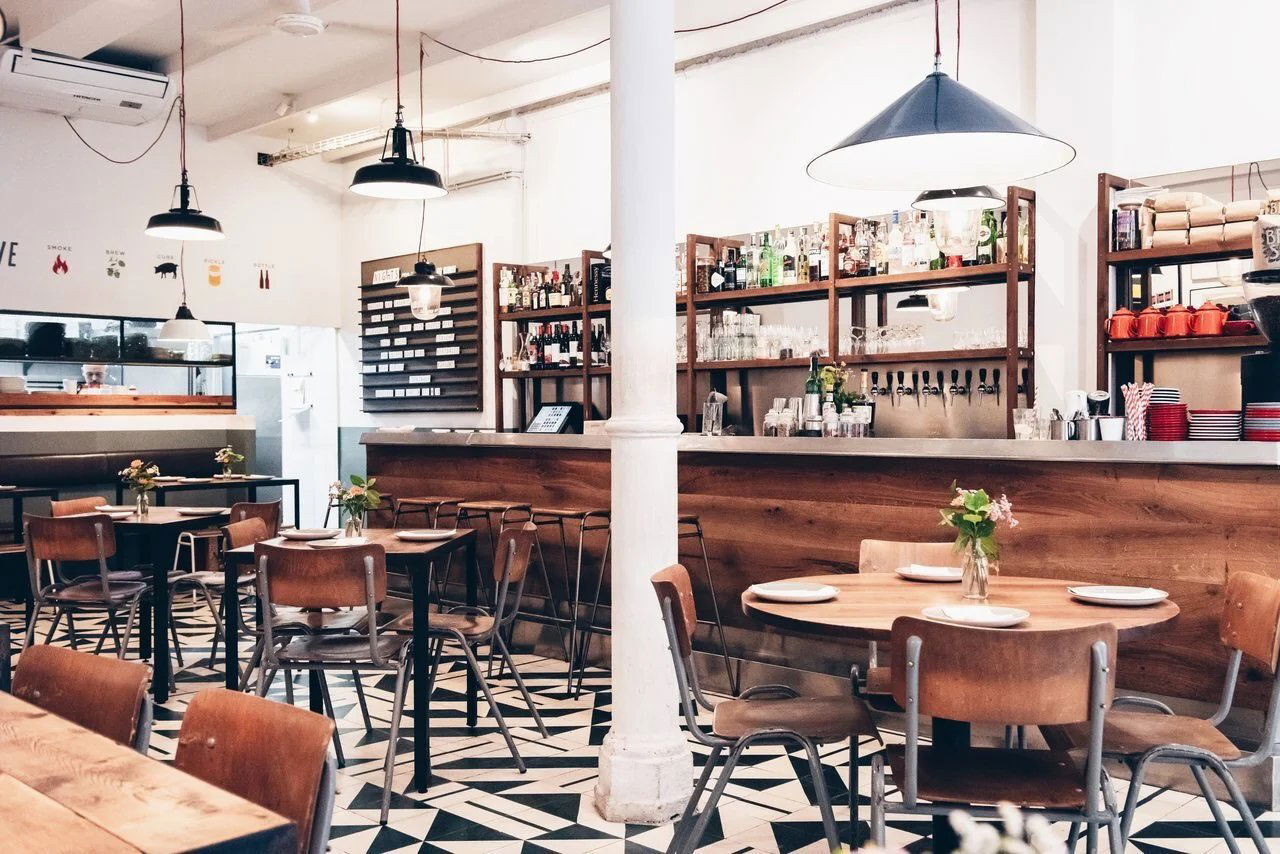
About Caravelle
Caravelle occupies a corner of Carrer del Pintor Fortuny in Barcelona's Ciutat Vella, where the El Raval bar scene runs quieter and more local than the tourist corridor a few streets east. The room draws a mixed crowd of neighbourhood regulars and visitors who have done their research, with a drinks program that sits comfortably inside Barcelona's mid-tier cocktail conversation without chasing Michelin-adjacent prestige.
El Raval's Quieter Frequency
Barcelona's cocktail geography has a clear centre of gravity: the Gothic Quarter and Eixample pull the award-circuit bars, the reservation-required counters, and the crowds that follow both. El Raval operates on a different register. The neighbourhood has long housed a denser, more working-class bar culture, one that absorbed waves of creative migration without fully gentrifying into a lifestyle district. Carrer del Pintor Fortuny sits inside that zone, a short street that connects the MACBA plaza crowd to the quieter blocks running toward the Rambla del Raval. Caravelle, at number 31, is a product of that specific address: a bar that reads as considered without performing effort.
For context on how El Raval's bar scene compares to the city's more decorated venues, our full Barcelona restaurants guide maps the broader picture across neighbourhoods and price tiers. The short version: Caravelle operates below the city's award-tier ceiling, closer in spirit to the all-day neighbourhood bar model than to the structured cocktail programs at places like Dr. Stravinsky or the classic-format precision of Dry Martini.
Daytime and Evening: Two Different Bars in the Same Room
The lunch-versus-dinner divide is one of the more reliable lenses for reading a Barcelona bar, and Caravelle illustrates it clearly. During daytime hours, El Raval draws a crowd that is part local, part cultural-tourist, and the bar functions as a pit stop: coffee, a light drink, something to eat. The pace is slower, the light is better, and the room operates closer to café than cocktail bar. For visitors arriving from out of town, this window is worth knowing about. A mid-morning or lunchtime visit lets you read the room without competition for seating, and the neighbourhood outside is easier to navigate before the afternoon foot traffic builds around the MACBA plaza.
Evening service shifts the register. El Raval after dark is a different proposition from the Eixample's bar strip or the Gothic Quarter's tourist-facing operations. The street outside gets louder in a specific, local way, and bars in this pocket of the city fill with a crowd that is less international and more mixed across age and background than you would find at Barcelona's more curated venues. Caravelle's evening energy sits inside that broader pattern. It is not the kind of bar that requires advance planning or a particular outfit; it is the kind that rewards showing up and staying longer than you intended.
That split between daytime calm and evening momentum is common to the better all-day bars across Spain's second-tier bar culture. Bar Sal Gorda in Seville and Bar Gallardo in Granada operate in similar registers in their respective cities: places where the format is flexible enough to absorb different crowds at different hours without forcing either into an awkward fit.
Where It Sits in Barcelona's Cocktail Conversation
Barcelona's bar hierarchy has sharpened considerably over the past decade. At the leading, venues like Paradiso operate within the global 50 Best ecosystem, attracting a bar-tourism crowd specifically seeking that credential. One tier below, bars with strong local reputations and coherent drink programs run without the awards infrastructure but with identifiable point-of-view. Caravelle sits in that second tier, where the draw is format and atmosphere rather than the technical ambition of a clarified-drink program or a single-origin spirits list.
That positioning has its own logic. Not every Barcelona visit calls for a reservation-required cocktail experience. The city's neighbourhood bar culture, particularly in El Raval and the Poble Sec, is where a different kind of drinking intelligence operates: casual, consistent, and grounded in the rhythms of the street outside. Boadas, the historic daiquiri counter near the leading of the Rambla, demonstrates how longevity and format clarity can define a bar's reputation without Michelin proximity. Caravelle draws from a similar well, though its context is El Raval rather than the historic centre.
For visitors building a multi-city Spanish itinerary, this kind of bar anchors the middle sessions: the pre-dinner drink, the late-afternoon coffee-to-cocktail transition, the stop before heading to somewhere louder. Angelita in Madrid occupies a comparable slot in that city's bar map, and the instinct that takes you there is the same one that should take you to Caravelle in Barcelona.
The Wider Archipelago: Spanish Bar Culture in Context
Spain's bar culture is plural in a way that resists easy summary. The differences between a Sevillano tapas bar, a Mallorcan beach-adjacent terrace, and an El Raval neighbourhood cocktail spot are not cosmetic; they reflect distinct drinking traditions and social functions. La Margarete in Ciutadella and Garden Bar in Calvia represent the Balearic end of that spectrum, where outdoor orientation and a holiday-adjacent crowd shape the format. Garito Cafe in Palma de Mallorca adds a music-program dimension that shifts its identity again.
Caravelle belongs to the urban neighbourhood category, where the bar's function is social infrastructure as much as hospitality product. That is not a diminishment; it describes a different kind of value. Bars in this category tend to be more durable than trend-driven venues, because their crowd is not there for a specific experience to photograph or review. They are there because the bar is good and the street outside suits the hour.
For those who want to follow the technical cocktail thread further, Foco offers a more structured drinks program within Barcelona, and Bar Leather Apron in Honolulu demonstrates how far that program-led approach can travel globally when execution is the primary credential.
Planning a Visit
Caravelle is at Carrer del Pintor Fortuny, 31, in Ciutat Vella, a walkable distance from both the MACBA plaza and the Liceu metro stop on the green line. The address places it inside El Raval proper, not on its edges, which means the walk from the Gothic Quarter takes you through the neighbourhood rather than around it. For the daytime visit, arriving before the lunchtime window closes gives you the quieter, better-lit version of the room. Evening visits benefit from arriving early in the session, before the street outside hits its peak volume. Specific hours, booking requirements, and current pricing are not confirmed in available data; checking directly before visiting is advisable, particularly for weekend evenings.
FAQ
Is Caravelle more low-key or high-energy?
The answer depends on the hour. During daytime service, Caravelle operates at the lower-energy end of El Raval's bar spectrum: unhurried, well-suited to a coffee or an early drink without the pressure of a packed room. Evening service introduces the neighbourhood's characteristic density, and the bar becomes more social and louder without crossing into the DJ-and-queue format of Barcelona's higher-volume nightlife venues. For visitors who find the award-circuit bars in the Gothic Quarter too performance-oriented, Caravelle offers a less staged alternative.
What should I drink at Caravelle?
Caravelle's drinks program does not carry the award credentials of Barcelona's most-cited cocktail venues, which means the menu likely skews toward approachable classics and low-intervention builds rather than technically complex signature drinks. In the El Raval context, wine and beer are legitimate choices alongside cocktails; the neighbourhood's bar culture is not exclusively spirits-forward. Specific menu details are not confirmed in available data, so arriving with flexibility rather than a single drink in mind is the practical approach.
Is Caravelle a good option for visitors who want a local Barcelona bar experience rather than a tourist-facing venue?
El Raval has historically attracted a more mixed, less tourist-dependent crowd than the Gothic Quarter or Barceloneta, and Carrer del Pintor Fortuny sits inside that pattern. Caravelle's address on that street, rather than on a higher-footfall tourist axis, gives it a neighbourhood-bar character that differentiates it from the city's more internationally profiled venues. It functions closer to the kind of bar that locals return to across the week than to a destination built around out-of-town visitors.
Related editorial
- Best Fine Dining Restaurants in ParisFrom three-Michelin-star icons to the next generation of Parisian chefs pushing boundaries, these are the restaurants that define fine dining in the world's culinary capital.
- Best Luxury Hotels in RomeFrom rooftop terraces overlooking ancient ruins to Michelin-starred hotel dining, these are the luxury hotels that make Rome unforgettable.
- Best Cocktail Bars in KyotoFrom sleek lounges to hidden speakeasies, Kyoto's cocktail scene blends Japanese precision with global influence in ways you won't find anywhere else.
Save or rate Caravelle on Pearl
Keep this venue in your Pearl passport, rate it after you visit, and track it alongside every other place you collect.