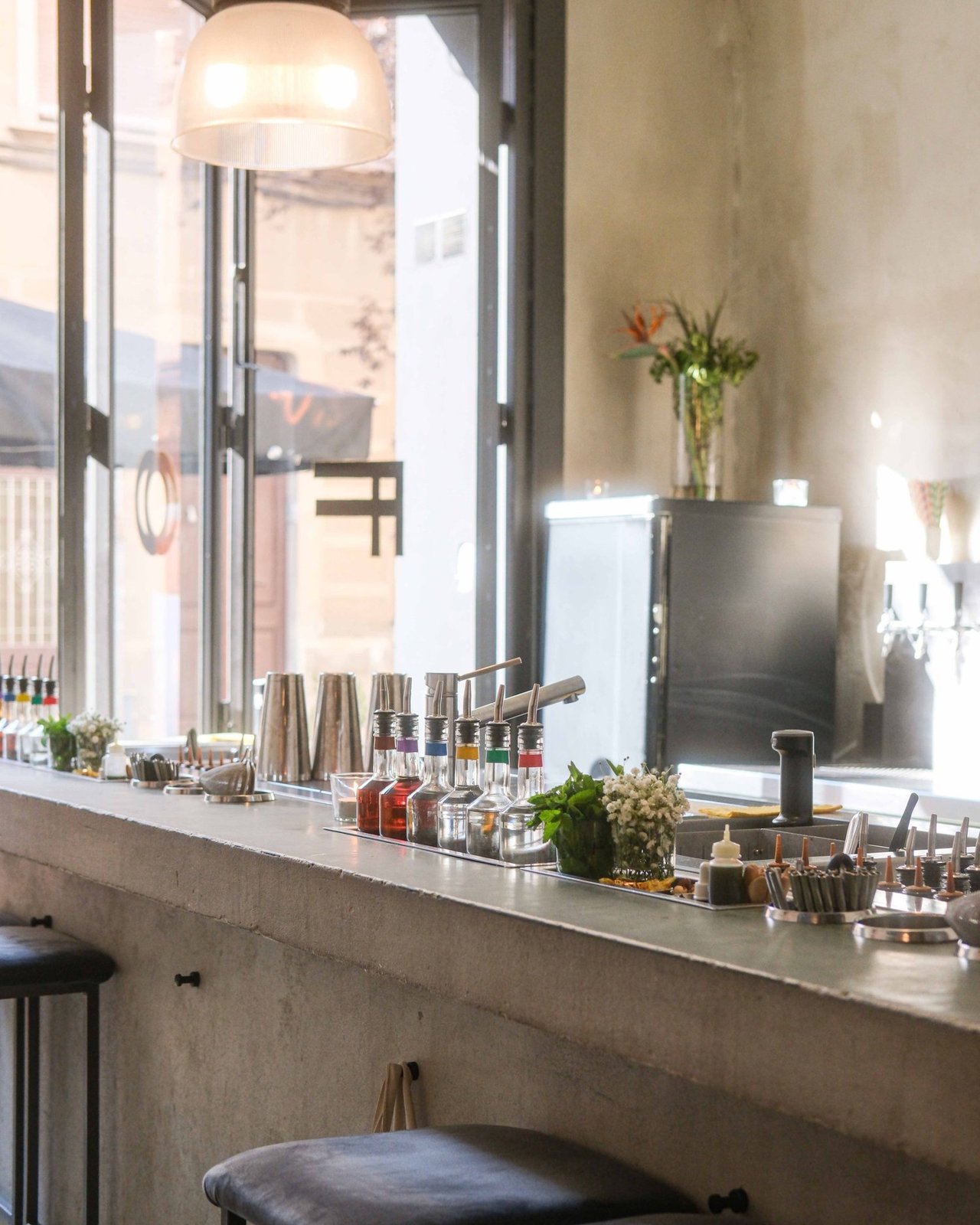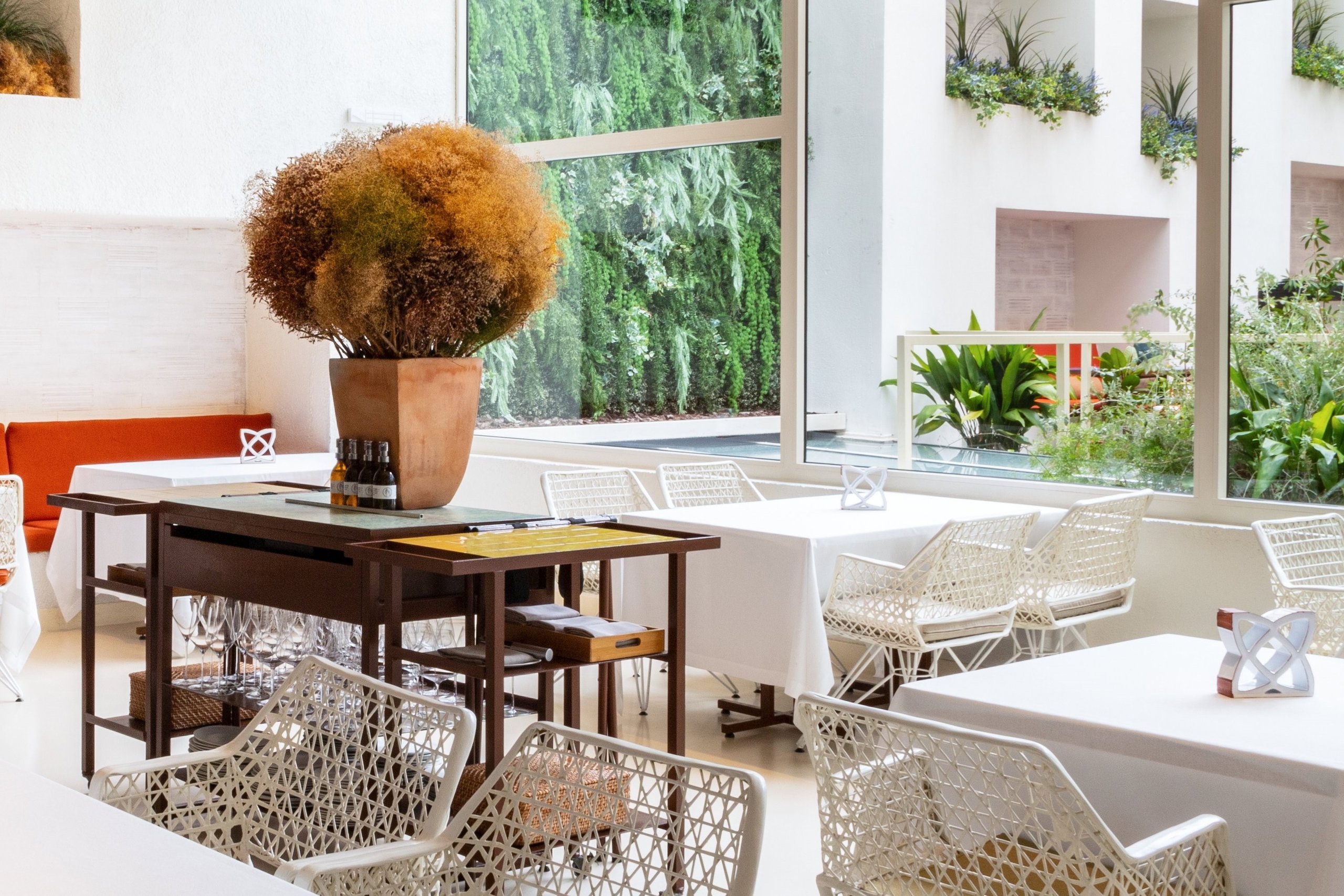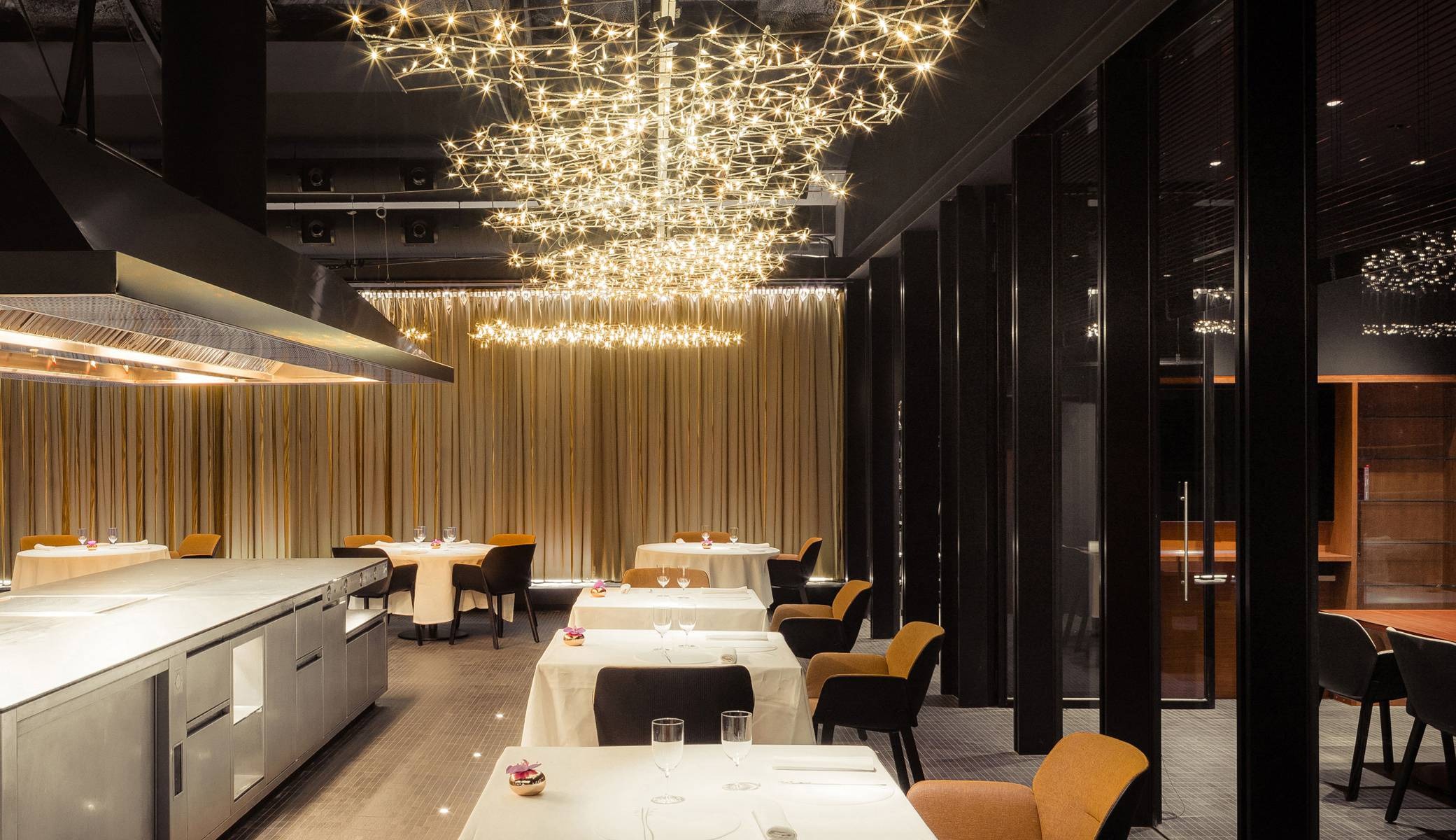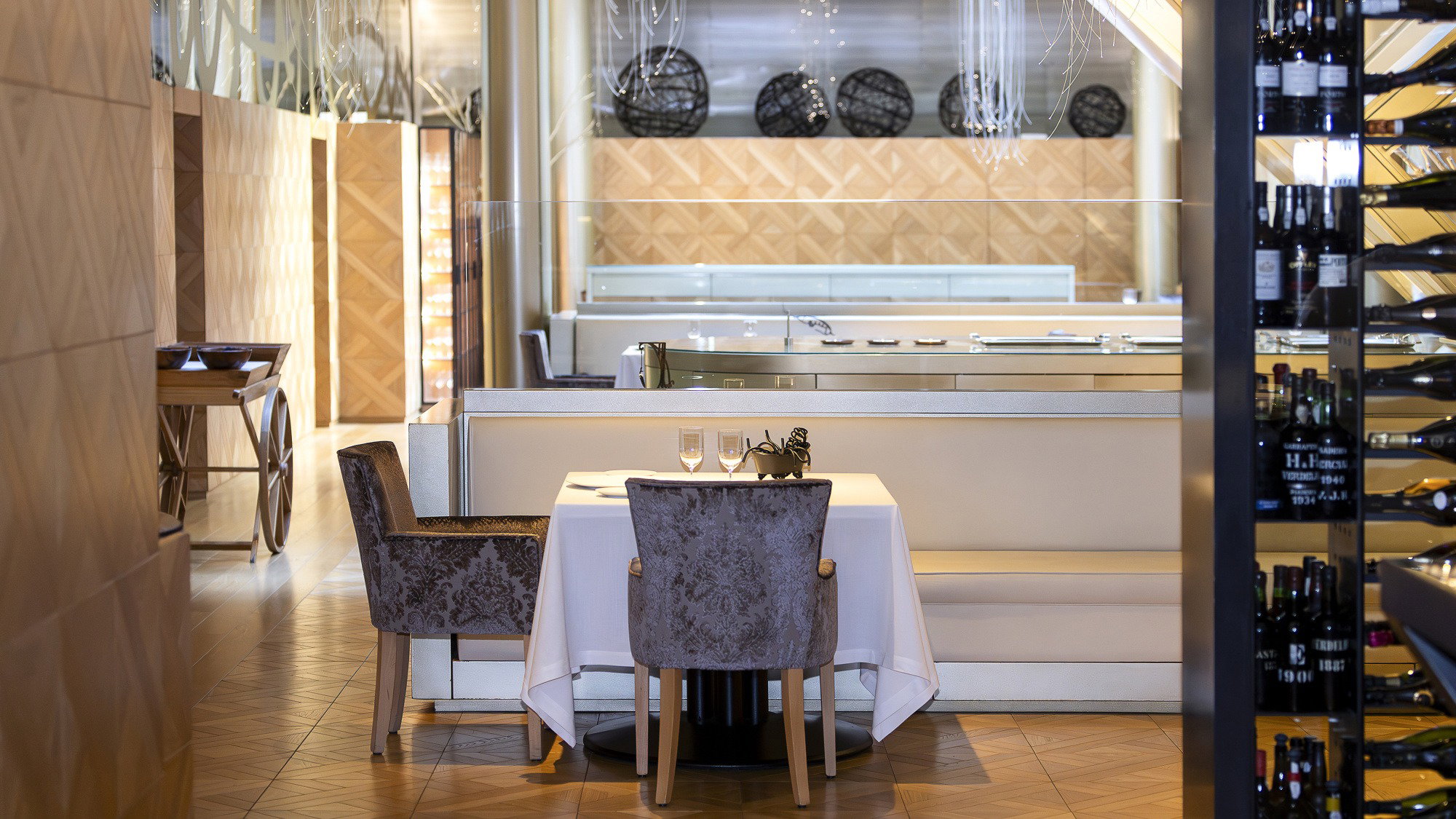
Can Paixano
Sant Pere, Santa Caterina i la Ribera, Barcelona
Bar in Barcelona, Spain
 Book with Pearl
The Read
Price
$10–20per person
Why go
Can Paixano is the Barcelona pick for a casual, high-energy sparkling-wine stop rather than a refined cocktail night. Choose it for value, old-city convenience, and a social room; choose Collage Cocktail Bar or Paradiso if drink technique matters more than price and bustle.
About Can Paixano
Can Paixano is a Barcelona venue with a simple profile: it is listed with casual dress and regular opening hours from Tuesday through Saturday, 12–10 PM. It is closed on Monday and Sunday. For menu, drinks, service style, prices, reservations, or setting, check directly with the venue before you plan around them.
The safest way to use it in an itinerary is as a casual option during its opening window, rather than assuming a particular dining format or program. If your plans depend on specific details, compare it with other options such as Collage Cocktail Bar, Paradiso, La Vinya del Senyor, or Le Nine, and check current details directly.
Choose it for a casual Barcelona stop during opening hours
Can Paixano's schedule is direct: Tuesday, Wednesday, Thursday, Friday, and Saturday from 12–10 PM, with Monday and Sunday closed. That makes timing the most reliable planning detail. The dress code is casual, so it fits a low-formality Barcelona plan, but any more specific expectations about seating, crowd level, food, drink selection, or payment should be checked with the venue.
Use Can Paixano as one part of a flexible Barcelona route rather than the single anchor for an entire evening. If you are comparing different options, Collage Cocktail Bar, La Vinya del Senyor, Le Nine, and Paradiso offer useful points of reference.
Who should pick a different Barcelona venue
Pick a different venue if you need a specific reservation setup, menu format, service style, price range, or drinks program. La Vinya del Senyor, Le Nine, Collage Cocktail Bar, or Paradiso may be useful comparisons for readers checking current details across venues.
The verdict: Can Paixano is best approached as a casual Barcelona option with Tuesday-to-Saturday hours and a casual dress code. For anything more specific, check directly with the venue before building the plan around it.
Planning details
- Location
- Carrer de la Reina Cristina, 7, Ciutat Vella, 08003 Barcelona, Spain
- Website
- canpaixano.com
- Phone
- +34 933 10 08 39
The take
The Take
The Vibe
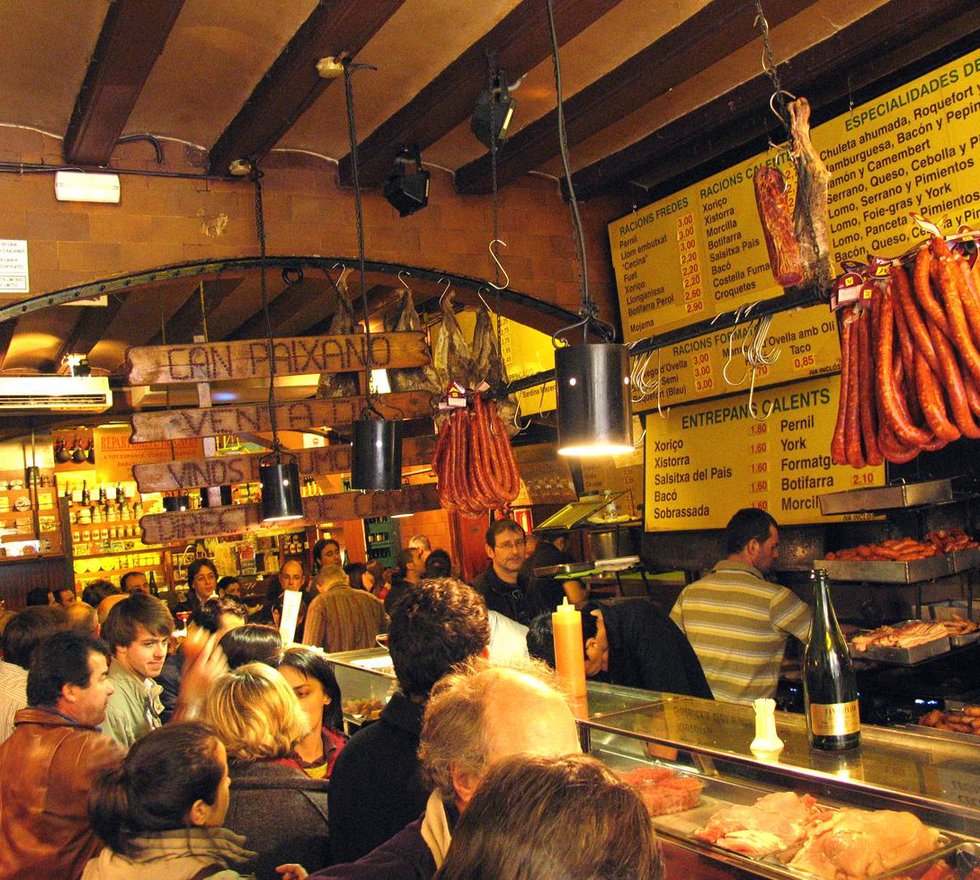
Can Paixano presents as a concentrated, democratic cava bar where the counter and the crowd define the room. The narrow space fills quickly and the noise level registers as part of the attraction: boisterous, immediate and communal. The bar operates in a tradition where cava is everyday beverage rather than ceremonial libation, so the energy skews less toward polished cocktail craft and more toward convivial, standing-room ritual. Visitors encounter a place that prioritizes conviviality and quick, repeated rounds—an unapologetically busy spot where the social hum is central to the experience.
Best For
This is a go-to for no-fuss after-work stops, solo visits and casual meetups that prize atmosphere over table service. The format — standing at a crowded counter with generous pours of cava and small bites — suits people who want brisk, social drinking rather than a lingering sit-down meal. It also fits late-night turns when the city’s energy is high; the bar’s compact footprint and communal feel make it ideal for anyone looking to be in the middle of the action rather than tucked away.
Ordering Tips
Order with the expectation of quick, convivial service: cava arrives cold and poured generously, and the menu revolves around small bites meant for easy pairing and repeat orders. The counter is the center of activity, so plan to stand and sip while you nibble; there are no quiet corner tables. Because the narrow room fills fast, shorter visits and successive rounds are the norm. Treat the visit as a ritual—order simply, pair cava with a few staple snacks, and be ready to blend into the communal flow.
Venue details
Ambiance
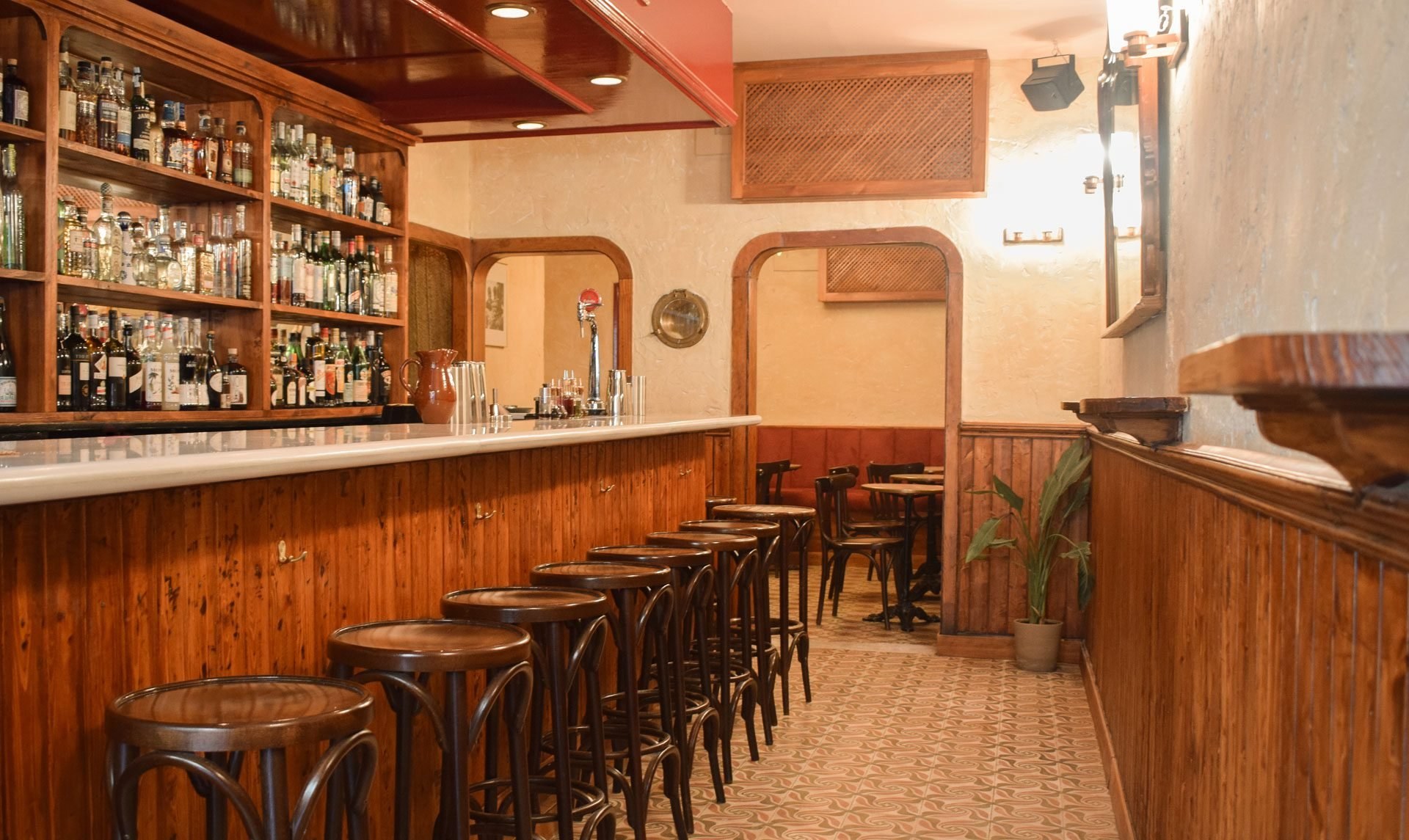
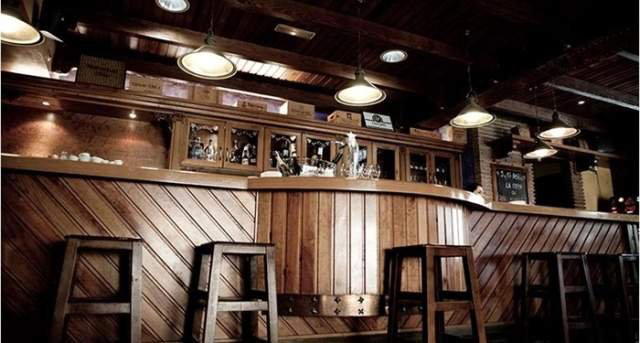
Homely fishermen's tavern with era-transcending charm, lively and crowded with cheek-by-jowl patrons.
Tags
Vibe
Best For
Experience
Format
At the Bar
- Bar Category
- Champagne Bar
- Late Night
- Closes by Midnight
Signature Pours
rosé cava
Know before you go
Know Before You Go
- Getting there
- Carrer de la Reina Cristina, 7, Ciutat Vella, 08003 Barcelona, Spain
Planning details
Location
Carrer de la Reina Cristina, 7, Ciutat Vella, 08003 Barcelona, Spain · Directions
Also consider
Also Consider
- Carrer dels Agullers, 7, Notable alternative
- Collage Cocktail Bar, Notable alternative
- La Vinya del Senyor, Notable alternative
- Paradiso, Notable alternative
- Le Nine, Notable alternative
Bar context
How it compares in Barcelona
Can Paixano is the value play against this Barcelona set. Paradiso and Collage Cocktail Bar make more sense when the drink program is the main reason for going; they are better fits for cocktail-focused visitors who want a more deliberate night. Can Paixano is the easier choice when the brief is casual, quick, and budget-conscious.
For wine-led drinking, La Vinya del Senyor is the cleaner cross-shop because it gives the night a more composed wine-bar frame. Carrer dels Agullers, 7 sits in the same city-center orbit and is worth comparing if location drives the decision more than format.
Le Nine is the better pick for a more contemporary bar mood. Can Paixano wins for low-commitment energy and value; Le Nine, Collage Cocktail Bar, and Paradiso are stronger when the experience needs to feel planned rather than spontaneous.
Around this place
Discover more on Pearl
Unlock the full Can Paixano guide in Pearl, including awards, comparisons, FAQs, planning details, and nearby places.
Compare Can Paixano
| Venue | Location | Awards |
|---|---|---|
| Can Paixano | Barcelona | No published awards |
| Carrer dels Agullers, 7 | Barcelona | No published awards |
| Collage Cocktail Bar | Barcelona | No published awards |
| La Vinya del Senyor | Barcelona | No published awards |
| Paradiso | Barcelona | 2026 Europe's 50 Best Bars · #9The 50 Best Bars 2026 — 1–50 · #172026 Falstaff Bar GuideTales Spirited Awards 2026 - World’s Best Cocktail Menu presented by Australian Bitters Co. - World’s Best Cocktail Menu presented by Australian Bitters Co. (Top 10 Nominee)Tales Spirited Awards 2026 - Best International Bar Team – Europe - Best International Bar Team – Europe (Regional Top 10 Honoree)2026 Pinnacle Guide2026 OAD Casual in Europe RecommendedThe 50 Best Bars 2026 — Special AwardsTop 500 Bars 2025 · #2 |
| Le Nine | Barcelona | No published awards |







How Can Paixano Barcelona compares with similar nearby venues.
FAQ
Frequently Asked Questions
Do I need a reservation at Can Paixano?
Check directly with Can Paixano before you go. For a more planned evening, compare the fit with La Vinya del Senyor or another venue whose booking details you can confirm in advance.
Is Can Paixano open late?
Can Paixano is open Tuesday through Saturday from 12–10 PM, with Monday and Sunday closed. If you need a later plan, compare current hours directly with other options such as Paradiso before heading out.
What's the best time to go to Can Paixano?
Its schedule is Tuesday through Saturday from 12–10 PM. Choose a time within that window, and check directly with the venue if crowd level, seating, or a specific service format matters to your visit.
Is Can Paixano good for a date?
The dress code is casual, so it may suit an informal Barcelona plan. If atmosphere, noise level, seating, or date-night suitability matter, compare with La Vinya del Senyor or another venue before deciding.
Is the food good at Can Paixano?
Is Can Paixano good for groups?
Can Paixano has a casual dress code and Tuesday-to-Saturday hours, but you should check directly with the venue if your group needs seating, reservations, or any specific service arrangement.