BierCaB
l'Antiga Esquerra de l'Eixample, Barcelona
Bar in Barcelona, Spain
 Book with Pearl
The Read
Price
$20–30per person
Why go
Book BierCaB as a flexible Eixample drinks stop rather than a destination splurge. It works well for a repeat Barcelona visitor who wants an easy late-evening option, while Pepa Bar a Vins is stronger for wine and Sips, The Alchemix, or Tandem fit better for a cocktail-led night.
About BierCaB
Barcelona planning is easier when expectations are simple: BierCaB is a casual venue with a Tuesday-to-Saturday schedule from 2 PM to 12 AM. Details about menu format, seating style, pricing, or a particular drinks program are not provided, so it's best used as a flexible Barcelona stop.
Use it as a flexible Barcelona fallback, not the headline splurge
BierCaB's practical timing makes it an appealing choice. It is closed on Monday and Sunday, and open Tuesday through Saturday from 2 PM to 12 AM. That makes it easier to place within an afternoon or evening plan, especially if you are keeping the rest of the night open.
For a repeat visitor, compare the kind of outing you want before committing. Pepa Bar a Vins, The Alchemix, Sips, Tandem, and Antiga Casa Buenavista Bar and Lounge may fit different Barcelona plans depending on the mood and format you are after. BierCaB offers a Barcelona location, casual dress code, and Tuesday-to-Saturday hours.
Late-night value is the real reason to keep it on the list
Its appeal is not based on award claims, trophy reservations, or detailed service promises. Keep BierCaB on a Barcelona shortlist because it stays open until 12 AM from Tuesday through Saturday and maintains a casual dress code.
For broader planning, use our full Barcelona bars guide, with parallel options in our full Barcelona restaurants guide and our full Barcelona hotels guide. You can also compare it with other Barcelona dining and nightlife options depending on whether you want something more structured, more formal, or easier to fit into a loose schedule.
Quick reference: choose it for a casual Barcelona stop with Tuesday-Saturday hours from 2 PM to 12 AM; check directly for any details beyond hours and dress code.
Planning details
- Location
- C/ de Muntaner, 55, Eixample, 08011 Barcelona, Spain
- Website
- biercab.com
- Phone
- +34 644 68 90 45
The take
The Take
The Vibe
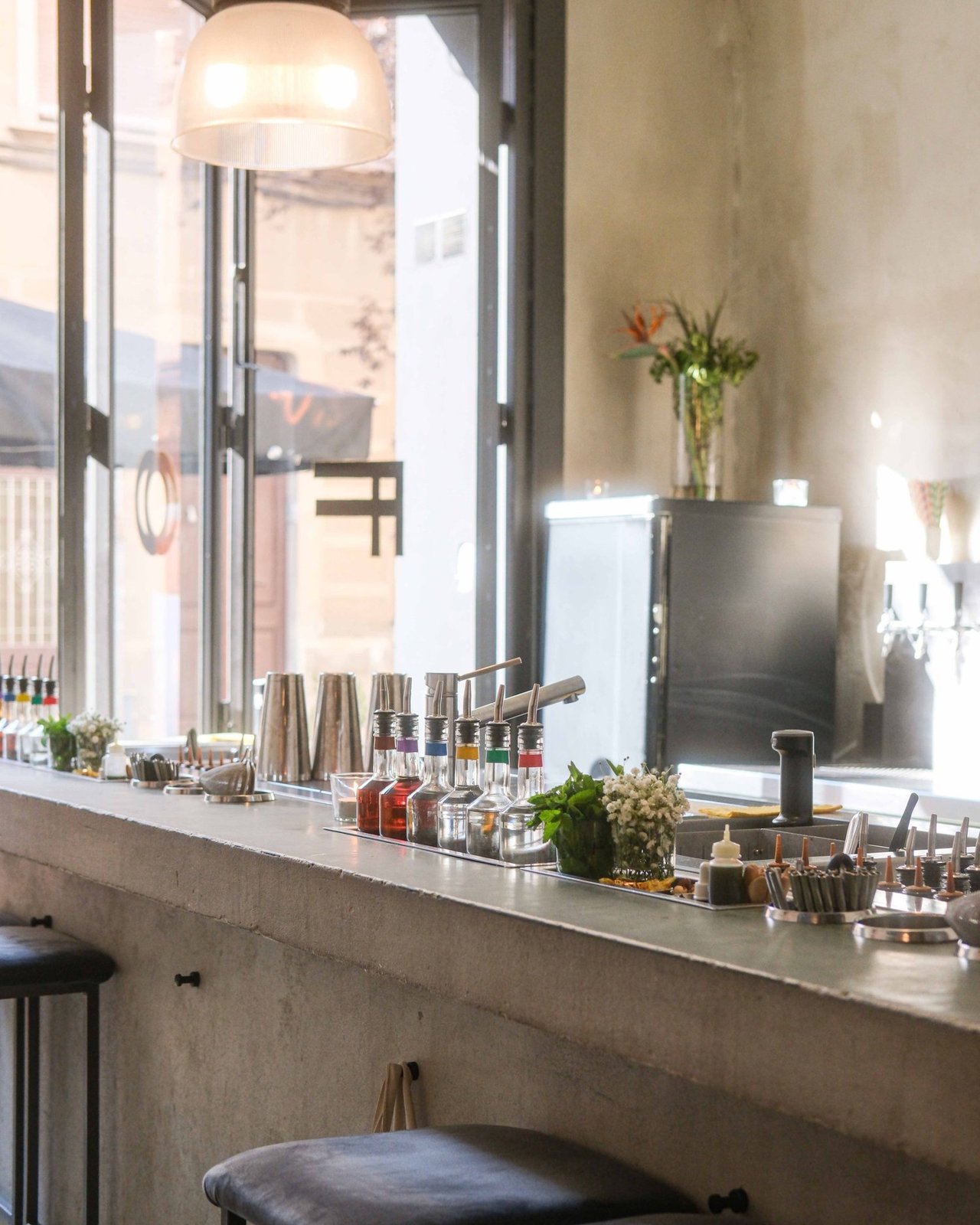
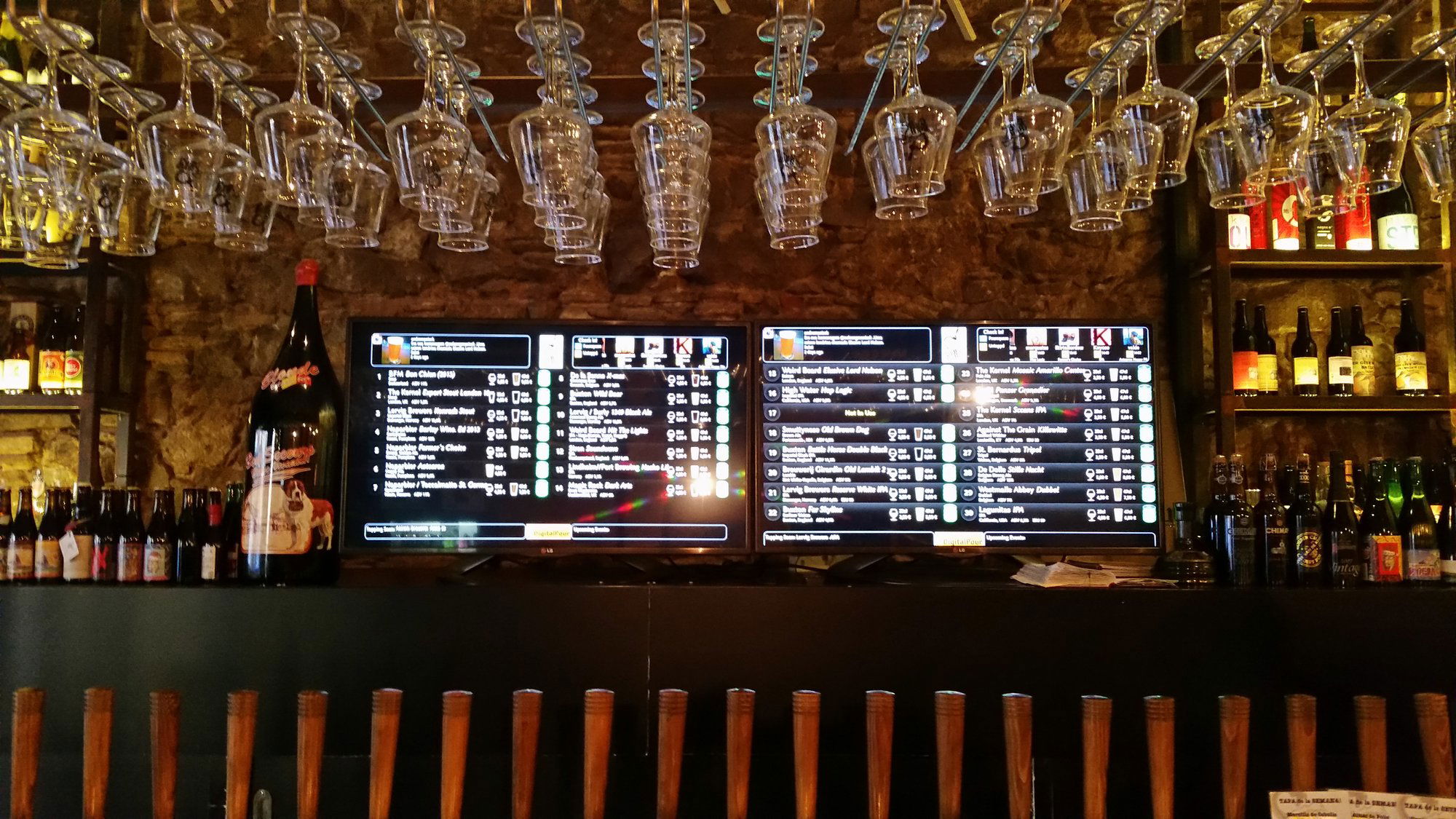
BierCaB presents craft beer with a measured, metropolitan confidence. Situated in the Eixample, the bar feels both relaxed and intentional: it brings the informal, northern-European beer sensibility into a neighborhood known for its modernista façades and bourgeois composure. The approach to taps and bottles is curatorial rather than casual-run, so the space reads as unpretentious but thoughtfully assembled. Regulars and newcomers alike encounter a place where beer is treated with the same seriousness often reserved for wine or cocktail programs, which gives the bar a quietly sophisticated edge without losing its approachable, convivial character.
Best For
This is a neighborhood bar built around serious beer appreciation, so it works best for low-key group outings, after-work pours, and relaxed casual hangouts. Its position in the Eixample makes it an easy target for locals who want quality taps without the formality of wine bars, and the established reputation suggests comfortable repeat visits. If you’re with friends or colleagues and want a reliably curated beer program in an unpretentious setting, BierCaB delivers — a place to linger over a well-chosen pour rather than rush through a quick round.
Ordering Tips
Approach ordering with a tasting mindset: the bar treats beer with curatorial intent, so ask staff about the tap lineup and what’s currently notable. Because the program is presented with the same rigour as informed wine lists, the team can point out standout breweries, tasting notes, and beer styles that pair with simple bar snacks. When in doubt, request a recommendation or a short pour to sample something new — the emphasis here rewards curiosity and a willingness to explore beyond mainstream lagers.
Venue details
Ambiance
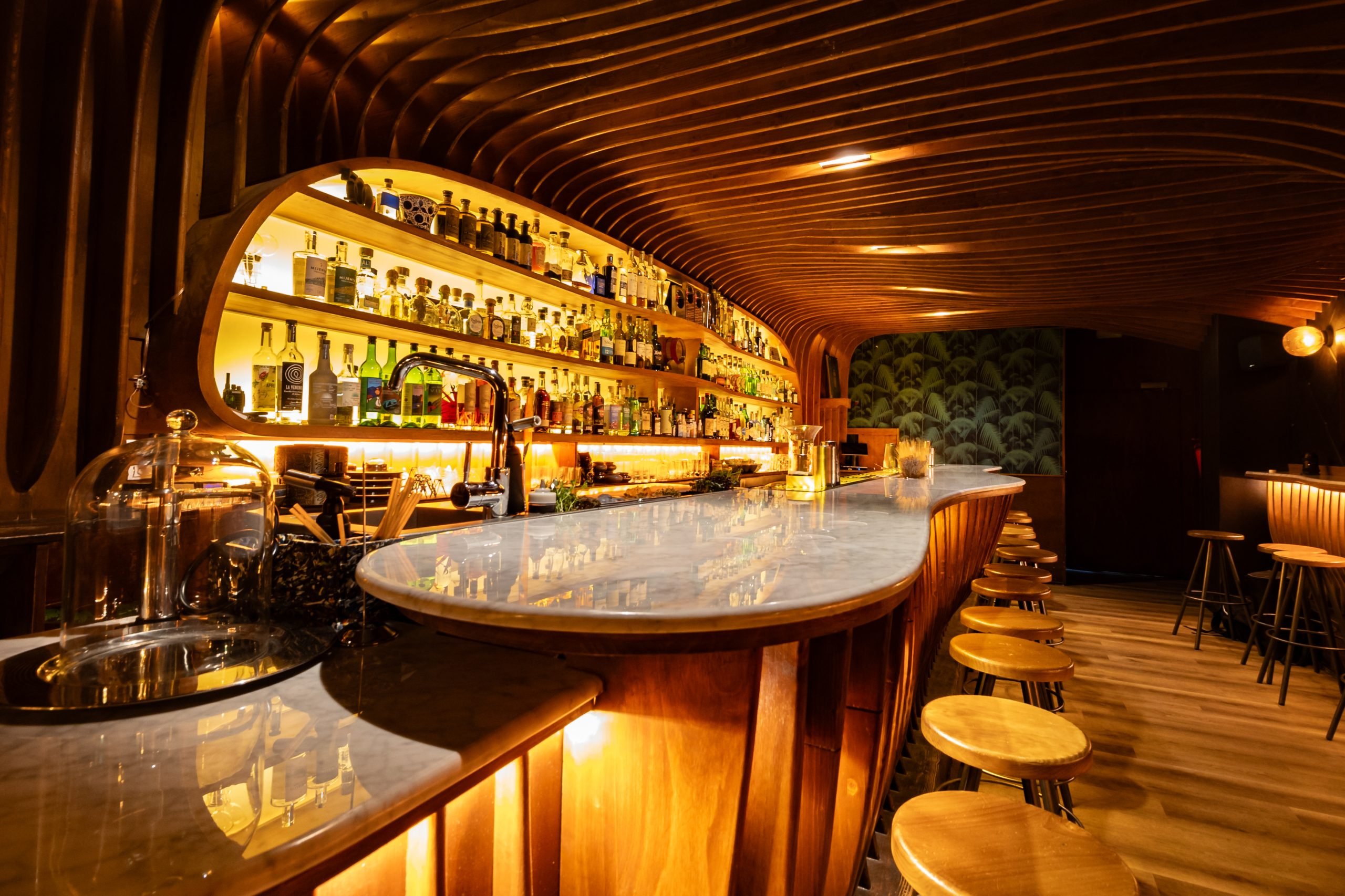
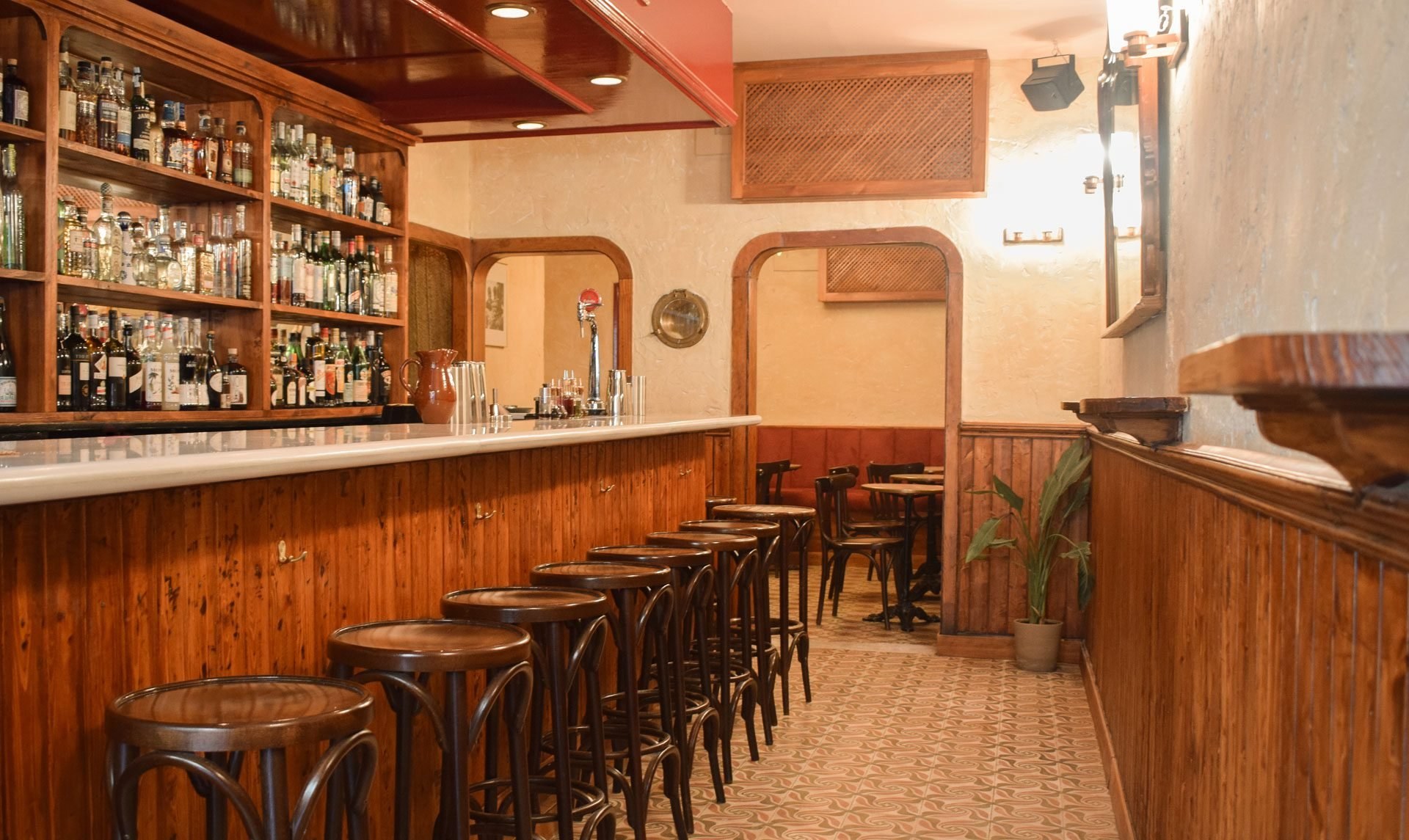
Rustic-chic pub atmosphere with an American gastropub feel and Spanish twist; lively and welcoming for beer enthusiasts and groups.
Tags
Vibe
Best For
Experience
Format
Accessibility
At the Bar
- Bar Category
- Beer Bar
- Late Night
- Open Until 2am
- Music
- 80s
Know before you go
Know Before You Go
- Getting there
- C/ de Muntaner, 55, Eixample, 08011 Barcelona, Spain
Planning details
Location
Also consider
Good cross-shops nearby
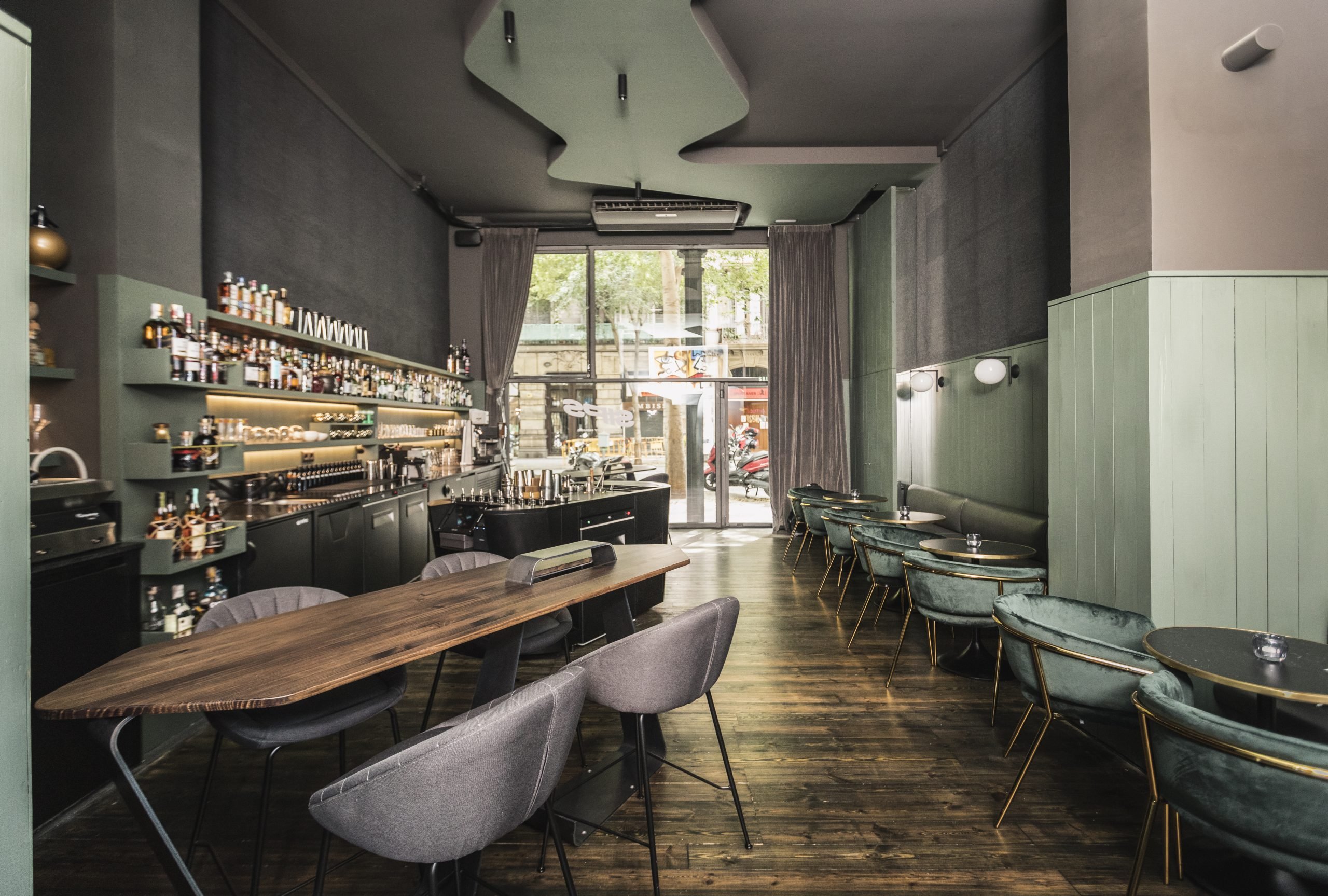
Try Pepa Bar a Vins if the group wants a wine-first night, or Antiga Casa Buenavista Bar and Lounge if a more conventional lounge setting sounds safer. For cocktails as the focus, Tandem is the cleaner alternate.
Bar context
How it compares in Barcelona
BierCaB is the easier, lower-pressure choice in this set. Pepa Bar a Vins is the better call for a wine-led evening, while The Alchemix suits readers who want a more designed cocktail experience. Choose BierCaB when flexibility matters more than polish.
Sips and Tandem are stronger choices for cocktail-focused drinkers, especially when the bar itself is the main event. BierCaB is more useful as a late-evening Eixample fallback, particularly if the plan may change after dinner.
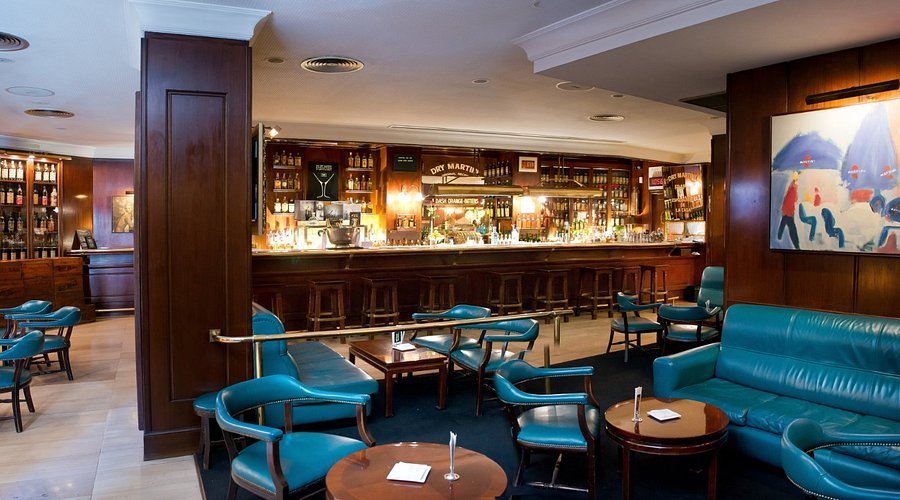
Antiga Casa Buenavista Bar and Lounge makes more sense for a central hotel-bar mood and a tidier occasion. BierCaB is the better fit for casual groups, repeat visitors, and anyone prioritizing ease over a scene-setting room.
Around this place
Discover more on Pearl
Unlock the full BierCaB guide in Pearl, including awards, comparisons, FAQs, planning details, and nearby places.
Compare BierCaB
| Venue | Location | Awards |
|---|---|---|
| BierCaB | Barcelona | No published awards |
| Pepa Bar a Vins | Barcelona | No published awards |
| The Alchemix | Barcelona | No published awards |
| Sips | Barcelona | 2026 Europe's 50 Best Bars · #3The 50 Best Bars 2026 — 1–50 · #162026 OAD Casual in Europe Ranked · #902026 Falstaff Bar Guide2025 World's 50 Best Bars · #3Top 500 Bars 2025 · #102025 OAD Casual in Europe Ranked · #562024 World's 50 Best Bars · #32023 World's 50 Best Bars · #1 |
| Tandem | Barcelona | No published awards |
| Antiga Casa Buenavista Bar and Lounge | Barcelona | No published awards |





How BierCaB Barcelona compares with similar nearby venues.
FAQ
Frequently Asked Questions
Does BierCaB have outdoor seating?
Is BierCaB good for a date?
It may work for a casual Barcelona plan, since the dress code is casual and the venue is open Tuesday through Saturday from 2 PM to 12 AM. For anything more specific about atmosphere, seating, or service style, confirm directly.
Is BierCaB open late?
Yes. BierCaB is open until 12 AM Tuesday through Saturday. It is closed on Monday and Sunday.
Does BierCaB have happy hour deals?
Information on happy hour deals is not available, so do not count on a discount unless you confirm it directly. If price is important, check current details with BierCaB before you go.
Is the food good at BierCaB?
What's the crowd like at BierCaB?
The dress code is casual. Specific crowd, noise level, and atmosphere details are not available, so check recent official information or contact the venue if that will affect your plans.
Do I need a reservation at BierCaB?
Reservation requirements are not available. The schedule is Tuesday through Saturday from 2 PM to 12 AM, with closures on Monday and Sunday; check directly if you want to secure a specific time.