Bar Marsella
el Raval, Barcelona
Bar in Barcelona, Spain
 Book with Pearl
The Read
Two-Century Absinthe Counter
Price
$10–20per person
Why go
Bar Marsella is worth booking into your Barcelona night if you want a casual, atmospheric Ciutat Vella bar rather than a polished date-night cocktail room. It is a stronger fit for after-dinner drinks than for a structured wine program or business conversation.
About Bar Marsella
Use Bar Marsella as a Barcelona evening or late-night bar option, with planning centered on its opening hours rather than on details about menu, pricing, service style, or drinks program. It opens in the evening every day, with later closing on Friday and Saturday.
The smart way to use it is as part of a wider Barcelona evening: start with dinner planning through Our full Barcelona restaurants guide, then decide whether this bar fits the mood better than other options in Our full Barcelona bars guide. If the night needs hotel planning before or after, pair it with Our full Barcelona hotels guide; if the trip is built around tastings, keep Our full Barcelona wineries guide and Our full Barcelona experiences guide separate from this kind of bar stop.
Evening hours and what to expect
Bar Marsella operates during these hours: Monday 6 PM–12 AM; Tuesday through Thursday 5 PM–12 AM; Friday and Saturday 5 PM–2 AM; and Sunday 5 PM–12 AM. Details such as a specific wine list, cocktail focus, menu format, pricing, or service style are not specified, so consider those unknown when deciding whether it fits your night.
Best fit: evening and weekend late-night plans
Bar Marsella is easiest to place in an itinerary as an evening stop in Barcelona. For a later night, Friday and Saturday are the key days because it closes at 2 AM. On Sunday through Thursday, plan around a midnight close.
Planning details
- Location
- Carrer de Sant Pau, 65, Ciutat Vella, 08001 Barcelona, Spain
- Phone
- +34 639 30 97 59
The take
The Take
The Vibe
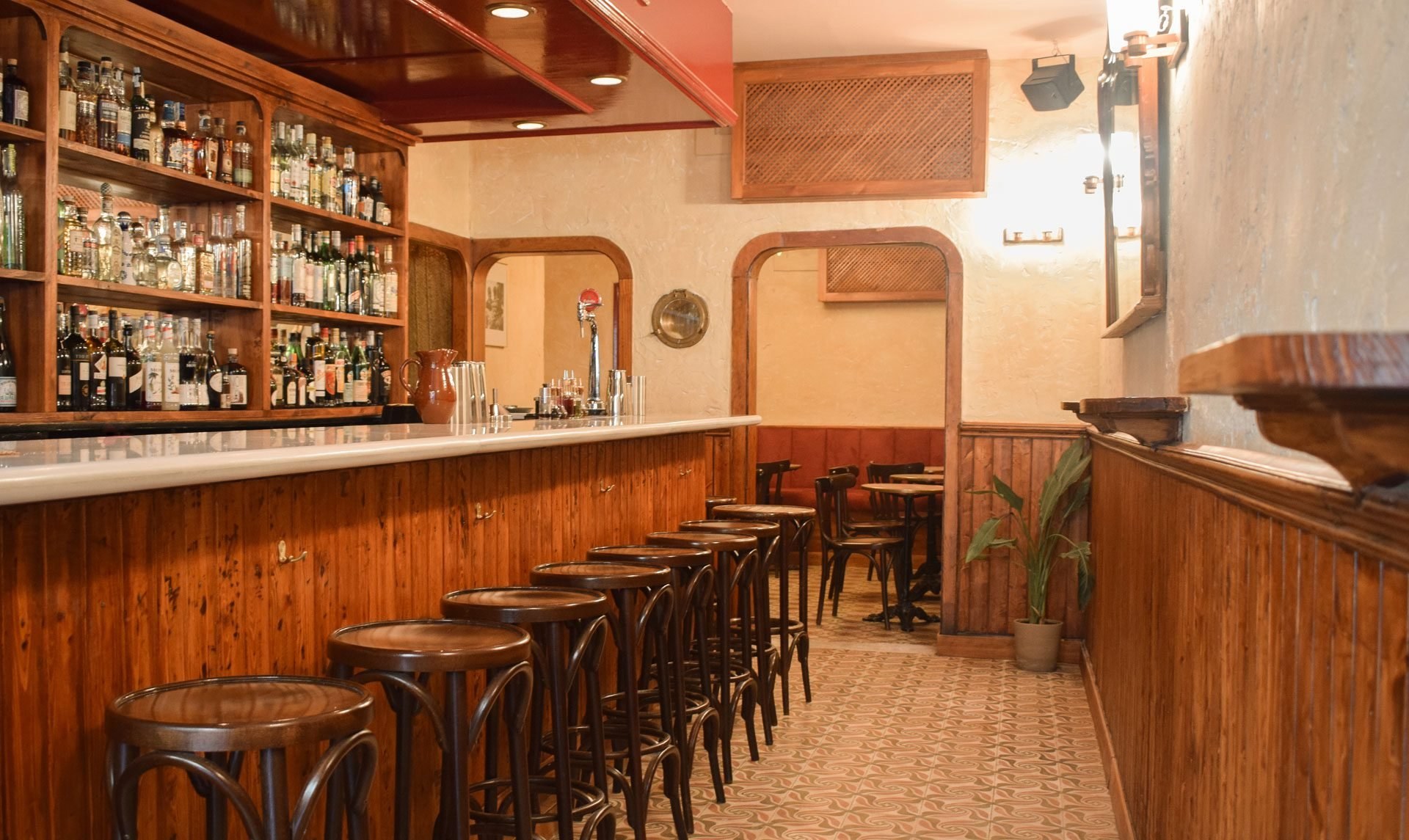
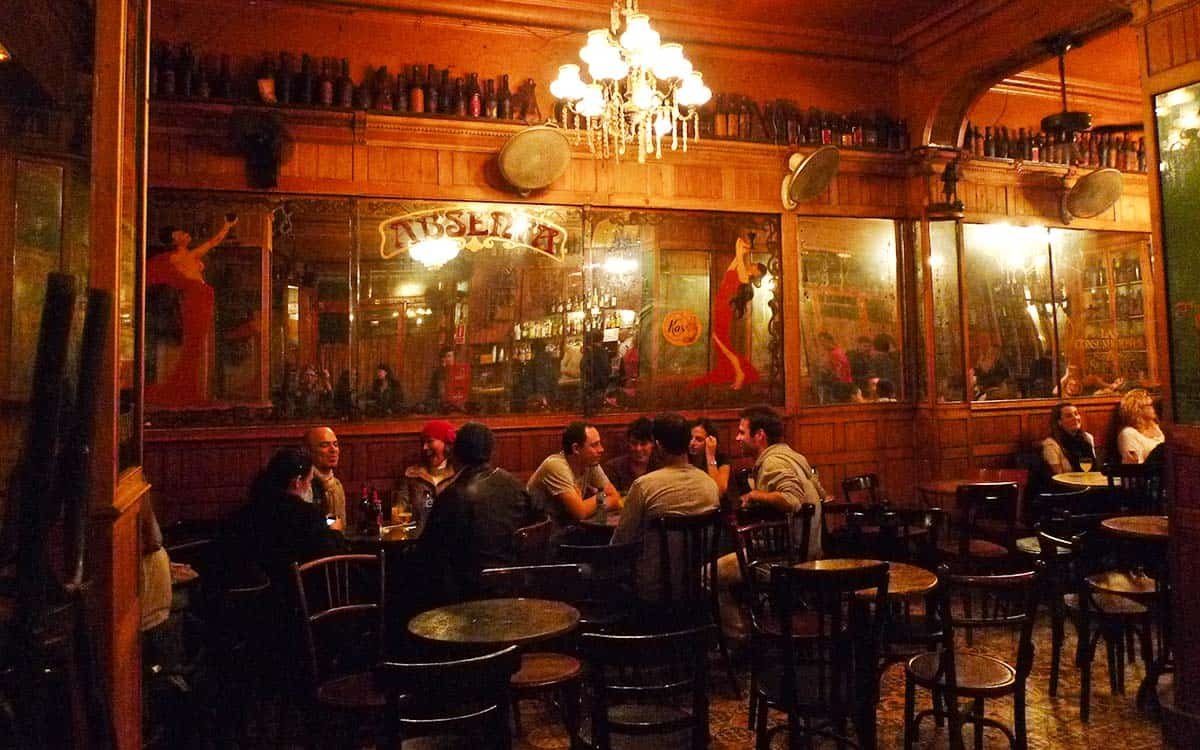
Bar Marsella reads like a living archive: a narrow, unchanged room that has been pouring drinks since 1820. The interior is unapologetically uncurated — shelves hold dusty bottles, mirrors catch a room that feels slightly out of step with the street, and the facade gives little away. That accumulation of objects and history creates a quietly compelling mood that leans historic and charming rather than trendy. Visitors encounter a place that preserves the past in its textures and rituals, a bar where the atmosphere is earned by longevity rather than design gestures.
Best For
This is a destination for late-night, no-frills drinking and simple, direct socializing. The bar's identity centers on strong drinks served in an old, narrow room that resists contemporary cocktail trends; it suits people looking for an authentic, timeworn experience rather than a polished evening out. Patrons who appreciate history, solitary reflection at the bar, or intimate, low-key conversations with friends find this place rewarding. It functions as a neighborhood institution that draws both locals and inquisitive visitors interested in Barcelona’s older drinking culture.
Ordering Tips
Expect a minimal, old-school service model: there are no printed cocktail menu gimmicks or QR codes, and the place emphasizes pouring strong drinks from the bottles on its shelves. Come ready to order at the bar rather than consult a menu, and be prepared for straightforward recommendations from the bartender. Take a moment to look at the upper shelves — some absinthe bottles and other aged containers function as part of the room’s archive — and ask what’s available if you want something specific; the house favors tradition over trend.
Venue details
Ambiance
Faded grandeur with flaking paint, dusty bottles, marble bar, antique chandeliers, and peeling walls evoking authentic bohemian history.
Tags
Vibe
Best For
Experience
Format
Accessibility
At the Bar
- Bar Category
- Dive Bar
- Late Night
- Open Until 2am
- Spirits Focus
- Absinthe
Signature Pours
absinthe
Know before you go
Know Before You Go
- Getting there
- Carrer de Sant Pau, 65, Ciutat Vella, 08001 Barcelona, Spain
Planning details
Location
Carrer de Sant Pau, 65, Ciutat Vella, 08001 Barcelona, Spain · Directions
Also consider
Where to go if this is not the right fit
Choose La Confitería if the group wants a more drinks-focused bar night. Choose Cañete if the evening needs food to carry the booking.
Bar context
How it compares in Barcelona
Cañete is the better choice when food is central to the plan; Bar Marsella makes more sense after dinner, when atmosphere matters more than a composed meal. For value, the decision comes down to use case: choose Cañete for a fuller evening, choose Bar Marsella for a lighter bar stop.
Bar Arnau and La Confitería are stronger cross-shops if the group wants a bar-first night with a more deliberate drinks focus. Bar Marsella is easier to treat casually, but it is not the pick for guests who want a clearly guided wine or cocktail experience.
Moog is the better late-night move if music and energy are the point. El Quim de la Boqueria is the daytime food-led alternative. Bar Marsella sits between them: more bar than meal, more historic-feeling stop than full-night plan.
Around this place
Discover more on Pearl
Unlock the full Bar Marsella guide in Pearl, including awards, comparisons, FAQs, planning details, and nearby places.
Compare Bar Marsella
| Venue | Location | Awards |
|---|---|---|
| Bar Marsella | Barcelona | No published awards |
| Cañete | Barcelona | No published awards |
| Bar Arnau | Barcelona | No published awards |
| Moog | Barcelona | No published awards |
| El Quim de la Boqueria | Barcelona | No published awards |
| La Confitería | Barcelona | No published awards |
How Bar Marsella Barcelona compares with similar nearby venues.
FAQ
Frequently Asked Questions
Does Bar Marsella have happy hour deals?
Happy-hour details are not available. The schedule is: Monday 6 PM–12 AM; Tuesday through Thursday 5 PM–12 AM; Friday and Saturday 5 PM–2 AM; and Sunday 5 PM–12 AM.
What's the best time to go to Bar Marsella?
It opens at 6 PM on Monday and 5 PM Tuesday through Sunday. Friday and Saturday run until 2 AM, while Sunday through Thursday close at 12 AM.
Is Bar Marsella open late?
Yes, on Friday and Saturday it stays open until 2 AM. On Sunday through Thursday, it closes at 12 AM.
Is Bar Marsella good for groups?
Information on group suitability is not available. For planning, Bar Marsella is in Barcelona and operates evening hours daily, with a 2 AM close on Friday and Saturday.