Explore Books and Coffee
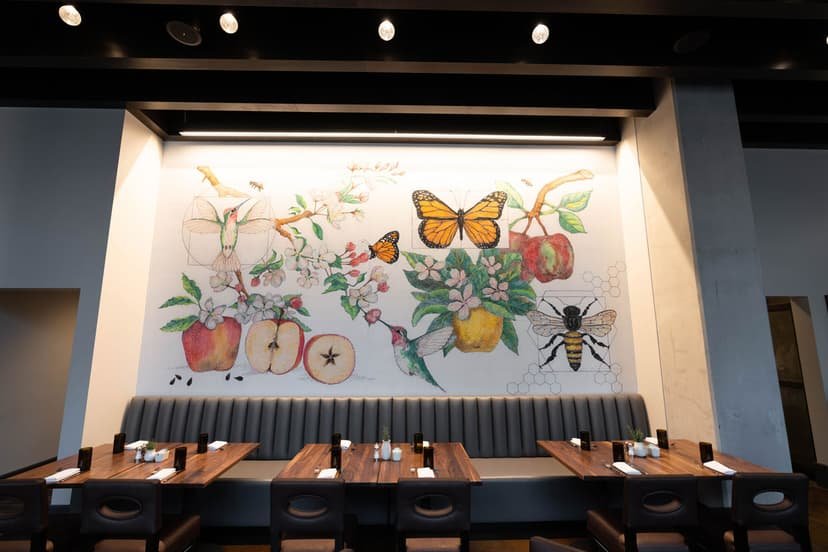
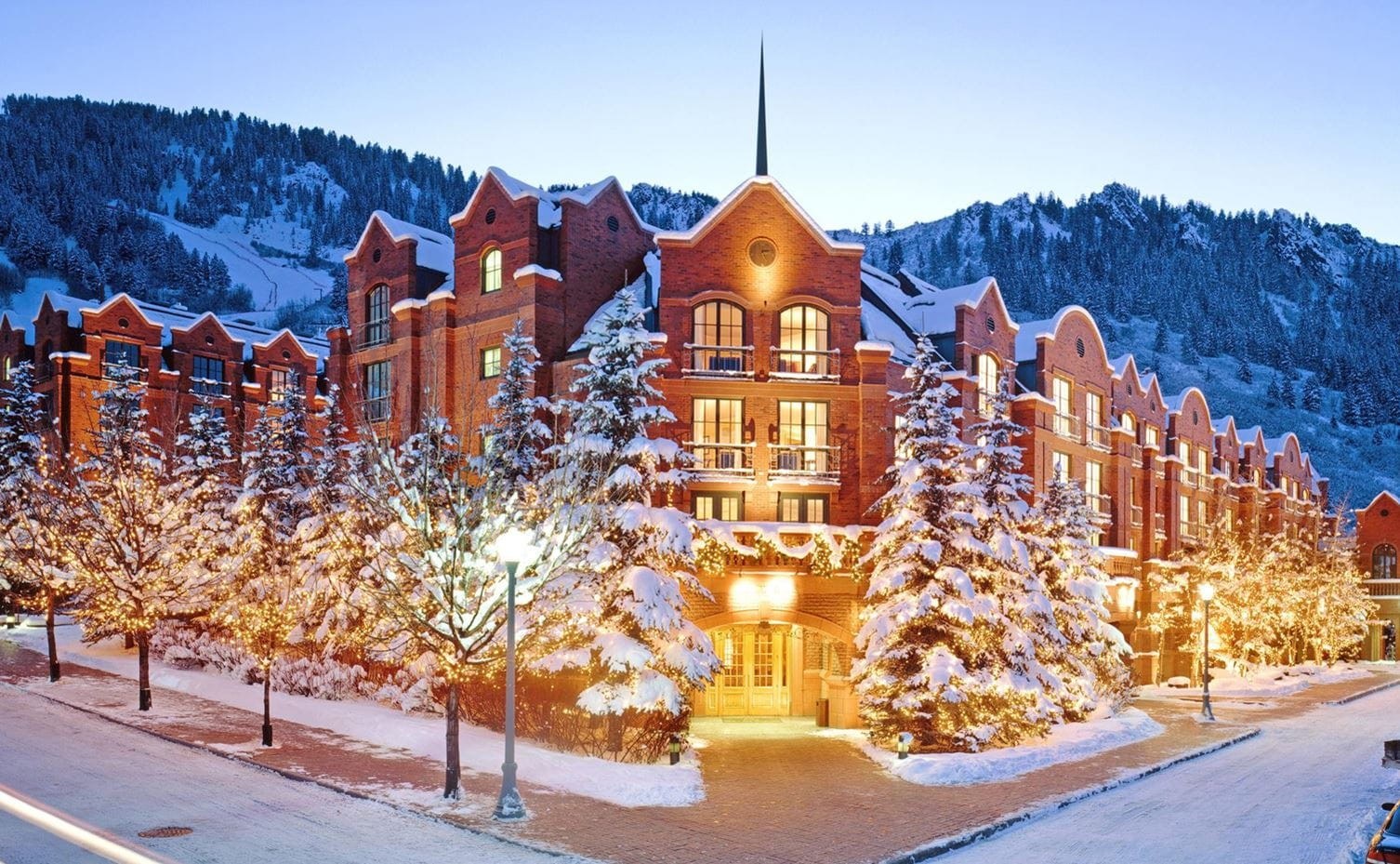
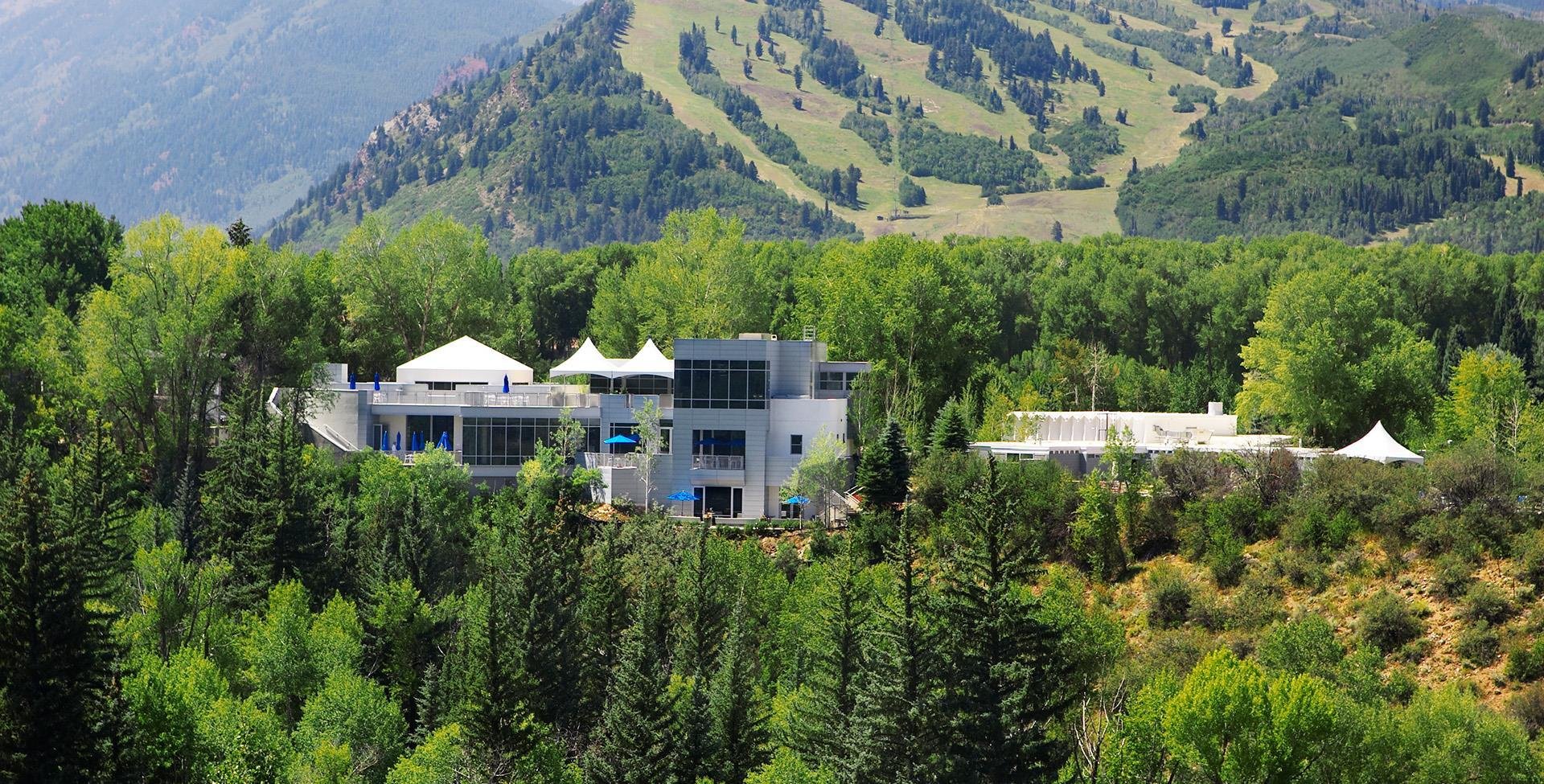
Aspen Flyover 1/4 Section Grid, Aspen
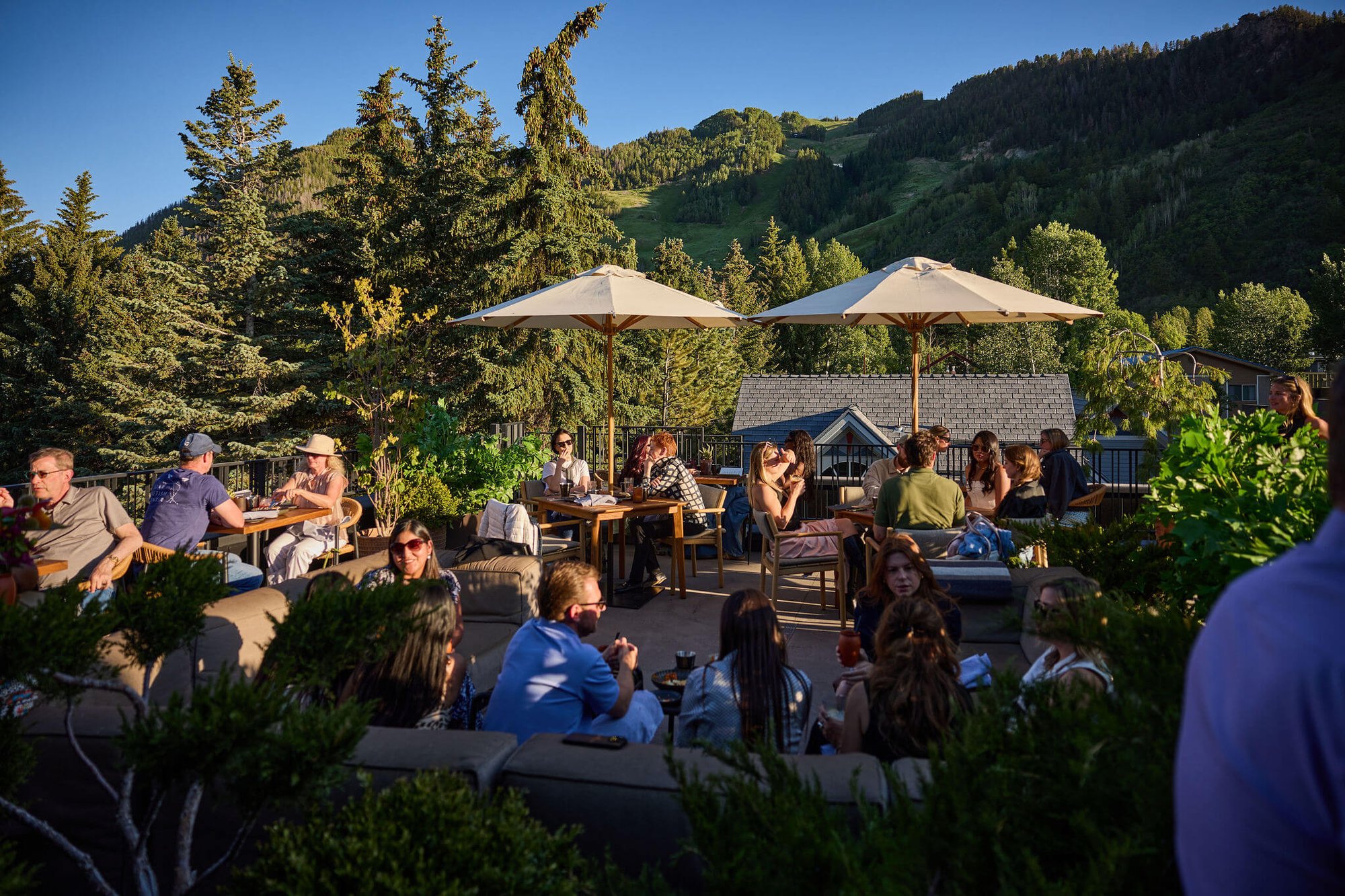
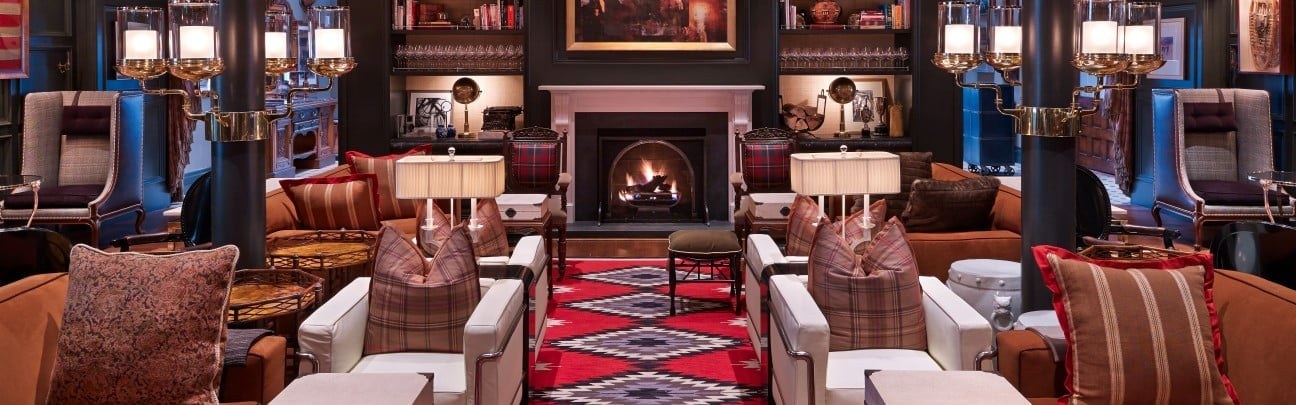
Bar in Aspen, United States
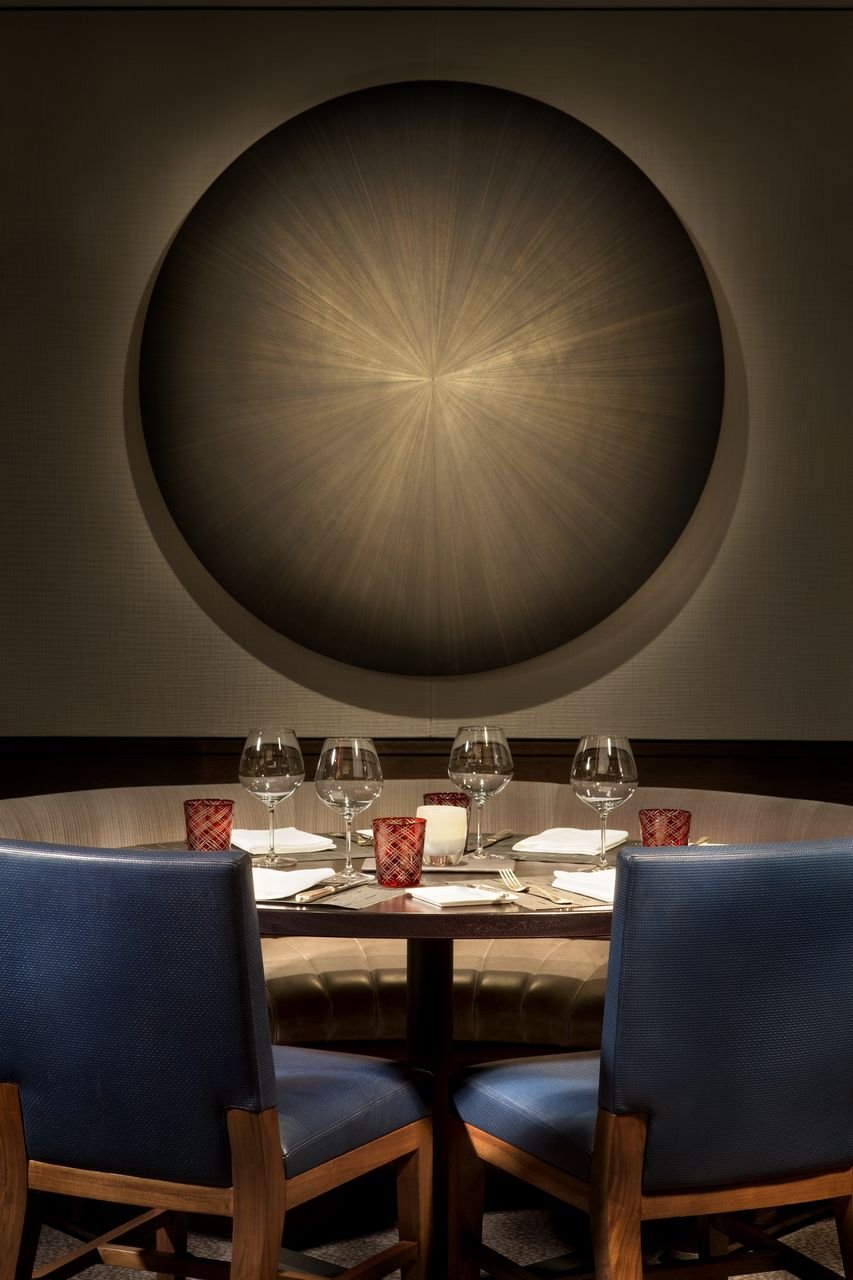
 Book with Pearl
Why go
Explore Books and Coffee is a practical Aspen daytime stop, not a destination meal. Go for a casual coffee-and-browse break, a low-pressure date, or a solo pause between bigger plans; skip it for dinner, late-night drinks, or a formal group occasion.
About Explore Books and Coffee
Explore Books and Coffee in Aspen is best described as a casual venue with consistent daytime hours. It is open 9 AM–5 PM every day, and the dress code is casual. Beyond that, the venue does not provide menu details, a price range, specific seating arrangements, a reservation policy, chef information, or an award history, so plans should stay flexible and modest.
Use it as a simple Aspen stop during the day rather than as a confirmed dining destination. If your plans require a specific meal, beverage program, group setup, or special-occasion experience, confirm those details directly with the venue before building an itinerary around it.
Use it as a daytime Aspen pause, not a dinner substitute
The hours make the planning role clear: Explore Books and Coffee fits daytime schedules, not late-night plans or dinner. With hours from 9 AM to 5 PM daily, it can be considered for a casual daytime break in Aspen.
Because cuisine type, menu details, awards records, a listed price range, seating count, or reservation information are not available, expectations should stay narrow. Treat it as a casual daytime option in Aspen, and verify any specific food, drink, seating, or service needs directly before going.
Where it fits in an Aspen itinerary
For visitors planning around restaurants and bars, this is a casual daytime stop rather than a confirmed booking target. Pair it with a broader Aspen plan from our full Aspen restaurants guide, our full Aspen bars guide, or our full Aspen hotels guide. If the day is built around activities rather than meals, our full Aspen experiences guide is the better planning layer, with our full Aspen wineries guide for drink-focused detours.
The clear recommendation: consider it when the goal is a casual daytime stop in Aspen. Look elsewhere if the occasion needs full-service dining, late-night energy, a confirmed group setup, or a polished special-occasion setting.
Planning details
- Location
- 221 E Main St, Aspen, CO 81611
- Website
- explorebooks.org
- Phone
- +1 970 925 5336
The take
The Take
The Vibe
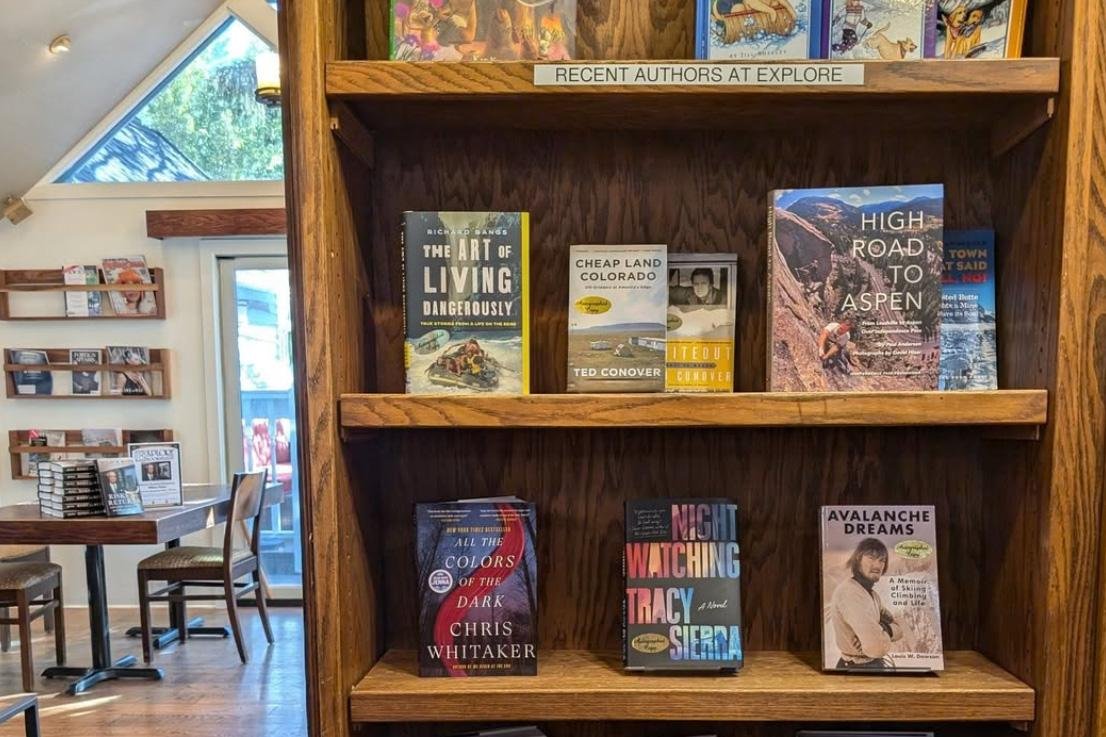
Explore Books and Coffee represents Aspen’s quieter, residential side: a low-key bookshop-café that reads as a neighborhood third space rather than a seasonal spectacle. The copy emphasizes an off-peak, year-round clientele and the social warmth of independent retail, positioning the venue as a place where locals linger rather than rush. It feels understated and amiable, anchored less in tourist energy than in everyday life—an intellectual, slow-moving counterpoint to Aspen’s white-tablecloth and après-ski scenes. The result is an inviting, unpretentious spot that quietly rewards time spent with a book or conversation.
Best For
This spot is best for slow mornings, solo reading sessions, casual catchups with friends, and anyone looking to tap into Aspen’s year-round community. The description specifically calls out 'morning coffee stops' and a clientele that skews toward locals or visitors with time to decelerate, so it suits people who want to linger rather than race between activities. It also works for small group outings of friends who prefer a relaxed, residential atmosphere rather than the busier resort dining circuit.
Ordering Tips
Plan to visit in the morning or during off-peak hours when the bookshop-café atmosphere is most pronounced; the venue is described as part of the town’s quieter rhythm and rewards lingering. Because the format reads as a neighborhood coffee stop and independent retail hybrid, arrive with time to browse and settle in rather than treat it like a quick tourist stop. The description frames it as a place sustained by locals, so expect a calm, unhurried experience rather than peak-season bustle.
Venue details
Ambiance
Warm and inviting Victorian-style house with multiple cozy nooks and crannies, vintage furnishings, and a relaxed literary atmosphere perfect for browsing and conversation.
Tags
Vibe
Best For
Experience
Format
Accessibility
At the Bar
- Bar Category
- Lounge
- Late Night
- Closes by 10pm
Know before you go
Know Before You Go
- Getting there
- 221 E Main St, Aspen, CO 81611
Planning details
Location
Also consider
Also Consider
- Matsuhisa, Notable alternative
- L'Hostaria Ristorante, Notable alternative
- Aspen Mountain Club, Notable alternative
- WET Deck, Notable alternative
- Viceroy Lounge, Notable alternative
Bar context
How it compares in Aspen
Explore Books and Coffee is the easiest, lowest-commitment choice in this set because it works as a daytime pause rather than a reservation-led meal. Matsuhisa is the stronger pick when the night needs a serious restaurant plan, while L'Hostaria Ristorante makes more sense for a traditional sit-down meal. Choose this instead when the goal is coffee, browsing, and a casual reset.
Aspen Mountain Club is better for a polished mountain-adjacent occasion, and WET Deck is a better fit for a social, hotel-style scene. Explore Books and Coffee is quieter in purpose: less about ambiance as spectacle, more about giving the day a useful break without turning it into a production.
If a full lounge experience is the priority, Viceroy Lounge is the more natural cross-shop. If flexibility matters more than service format, this is the safer pick. The decision is simple: book or plan elsewhere for a meal, drinks, or celebration energy; come here when the value is time, ease, and a low-pressure Aspen stop.
Explore Aspen
Around this place
Discover more on Pearl
Unlock the full Explore Books and Coffee guide in Pearl, including awards, comparisons, FAQs, planning details, and nearby places.
Compare Explore Books and Coffee
| Venue | Location | Awards |
|---|---|---|
| Explore Books and Coffee | Aspen | No published awards |
| Matsuhisa | Aspen | No published awards |
| L'Hostaria Ristorante | Aspen | No published awards |
| Aspen Mountain Club | Aspen | No published awards |
| WET Deck | Aspen | No published awards |
| Viceroy Lounge | Snowmass Village | No published awards |
How Explore Books and Coffee Aspen compares with similar nearby venues.
FAQ
Frequently Asked Questions
Is Explore Books and Coffee good for a date?
It may work for a casual daytime meet-up in Aspen, but only the hours and casual dress code are available. The 9 AM–5 PM hours make it a daytime option, not a dinner-date choice.
Does Explore Books and Coffee have outdoor seating?
Do not plan around outdoor seating unless you have confirmed it separately. Available information only confirms Aspen, daily 9 AM–5 PM hours, and a casual dress code.
Is Explore Books and Coffee good for groups?
Is Explore Books and Coffee open late?
No. Operating hours are 9 AM–5 PM every day, so it fits daytime plans in Aspen rather than late-night plans.