
Wijnbar Paskamer
Burgemeester Tellegenbuurt West, Amsterdam
Bar in Amsterdam, Netherlands
 Book with Pearl
Why go
Wijnbar Paskamer is the Amsterdam pick for a wine-first evening in De Pijp, especially when an easy booking matters. The clearest reason to choose it is Star Wine List recognition in 2026; skip it if the night calls for a hotel-lounge occasion or cocktail-led plan.
About Wijnbar Paskamer
Wijnbar Paskamer is an Amsterdam option to consider when the plan is built around its clearest details: Star Wine List recognition in 2026, a casual dress code, evening-focused opening hours. It opens at 4 PM Monday through Friday, at 3 PM on Saturday and Sunday, closes at 12 AM Monday through Saturday; Sunday service ends at 9 PM. Those hours make the venue easiest to read as a late-afternoon or evening stop, especially when the rest of the itinerary needs a clearly timed Amsterdam option rather than a fully specified restaurant commitment.
Book it for an Amsterdam wine-bar stop
The decision is simple: choose Wijnbar Paskamer when you want a casual Amsterdam stop with evening hours and wine-related recognition. It reads best as a targeted bar choice rather than an all-purpose dinner booking. That distinction matters: it keeps expectations aligned and makes Paskamer most useful when the plan needs a clear, low-friction stop. If dinner is the main event, use our full Amsterdam restaurants guide first, then consider Wijnbar Paskamer before or after.
The Star Wine List mention in 2026 is the trust signal here. It is a relevant recognition for guests comparing Amsterdam options. In practical terms, it gives the bar a more defined reason to be on a shortlist than atmosphere alone, while still leaving the specifics of what you will drink to the venue itself. For another comparison, also look at Glou Glou. If the plan is still open, compare the timing against other Amsterdam bars before committing.
Skip it if you want a hotel-lounge occasion
Wijnbar Paskamer has a casual dress code, so it is not the obvious pick if the goal is an occasion built around a more formal dress expectation. For that kind of comparison, you may also look at Twenty Third Bar or The College Bar & Lounge. Paskamer is the more direct option when the brief is a casual Amsterdam stop with straightforward hours.
For a casual Amsterdam night out, the closest comparison is simply which venue matches the plan. De Badcuyp and Café de Wetering can be useful to compare if you are still choosing between Amsterdam options. If the main filter is wine-related recognition, Paskamer has the clearer hook because of its Star Wine List 2026 mention. The useful question is not whether it is the most dramatic bar in the city, but whether it matches a simple Amsterdam evening plan. Its hours also make that question easier to answer, because the venue is already oriented toward the latter part of the day.
Use our full Amsterdam bars guide if the plan is still open, or branch into Amsterdam hotels, Amsterdam dining, Amsterdam experiences if the evening is part of a wider trip. Treat other venues as comparison points for itinerary shape and timing, while Wijnbar Paskamer remains the cleaner answer when the Amsterdam brief is a casual stop with evening hours. In that role, it works best as a specific piece of the night rather than a venue asked to solve every part of the plan.
Planning details
- Location
- Lutmastraat 132, 1073 KC Amsterdam, Netherlands
- Website
- paskamer.amsterdam
- Phone
- +31 20 362 7468
The take
The Take
The Vibe
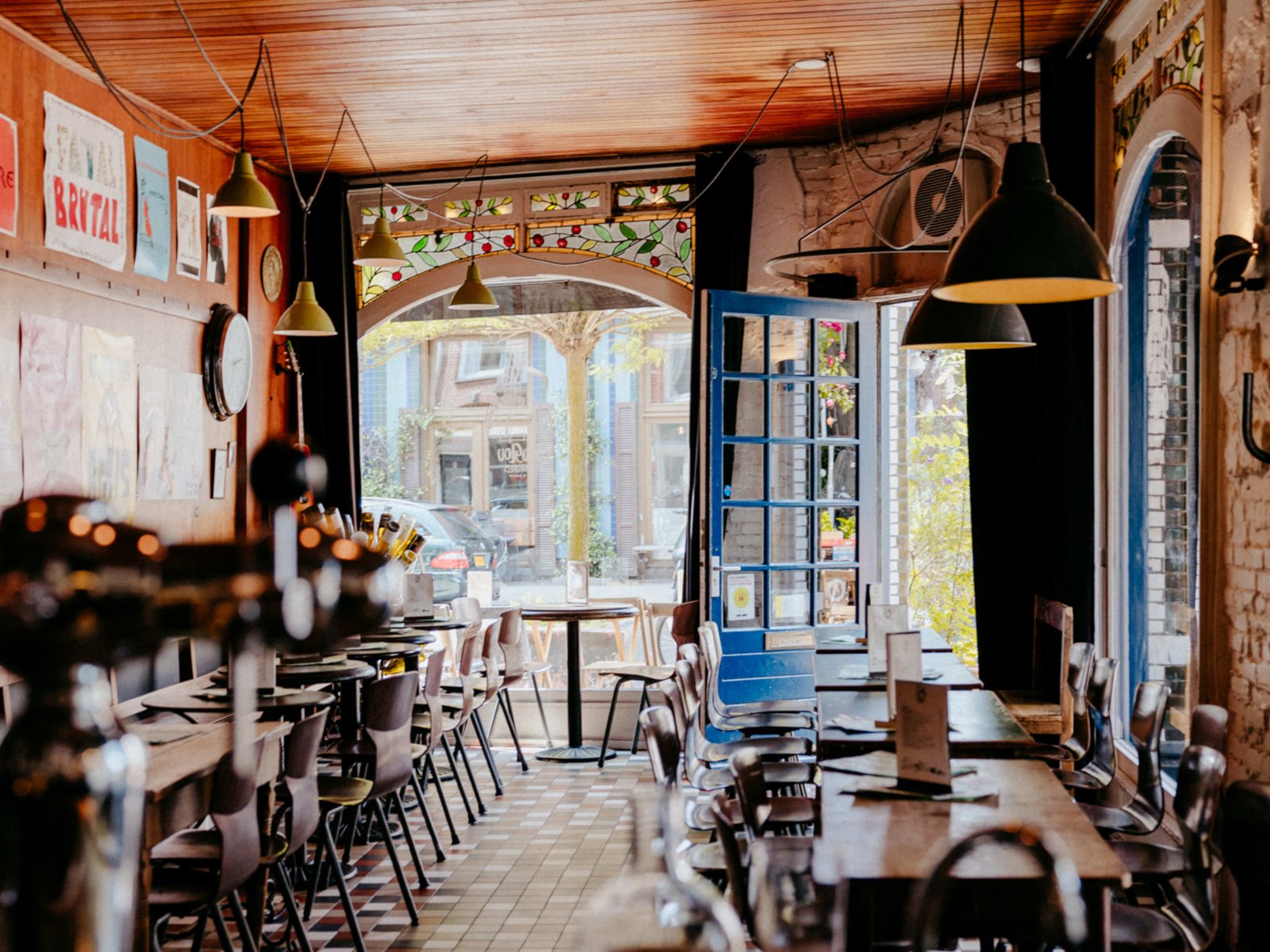
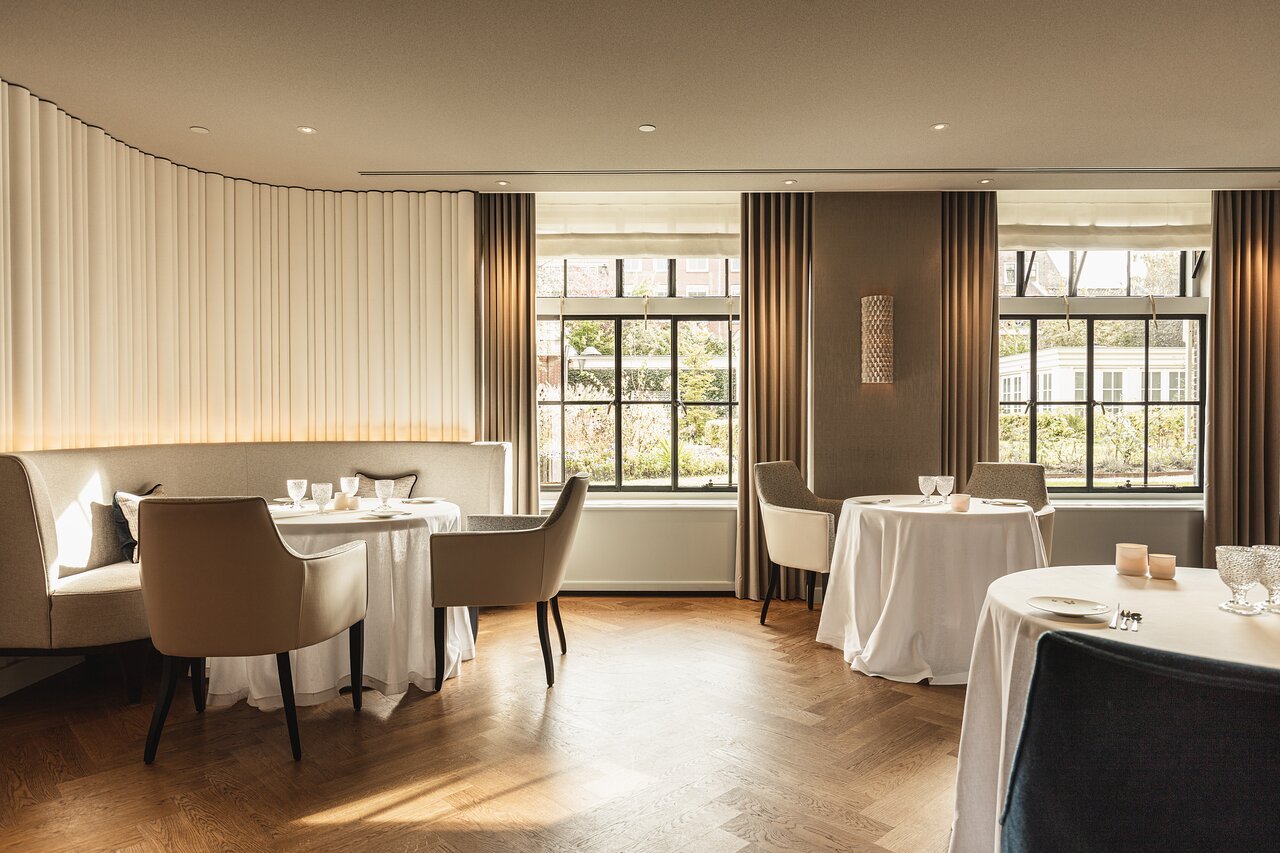
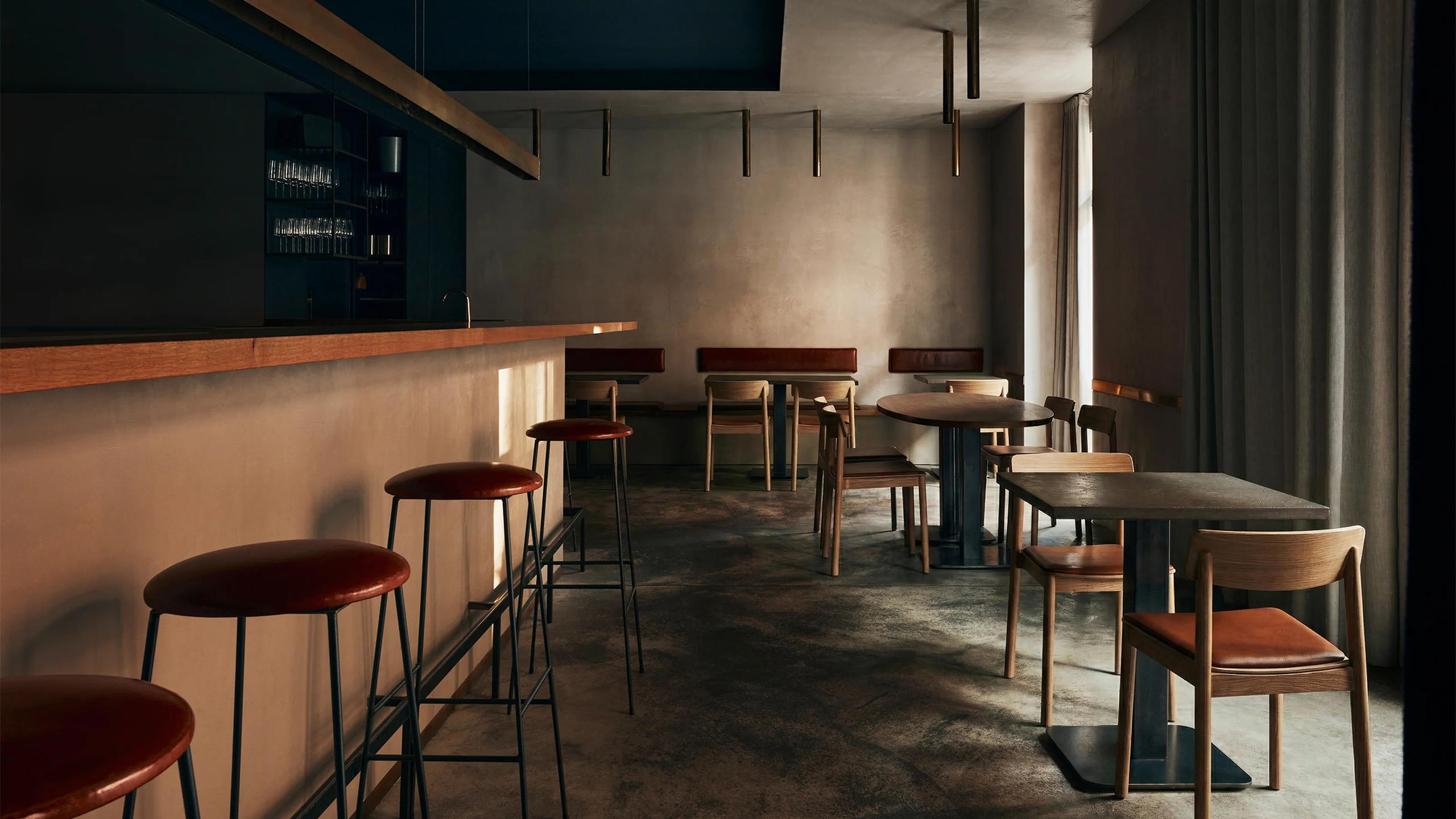
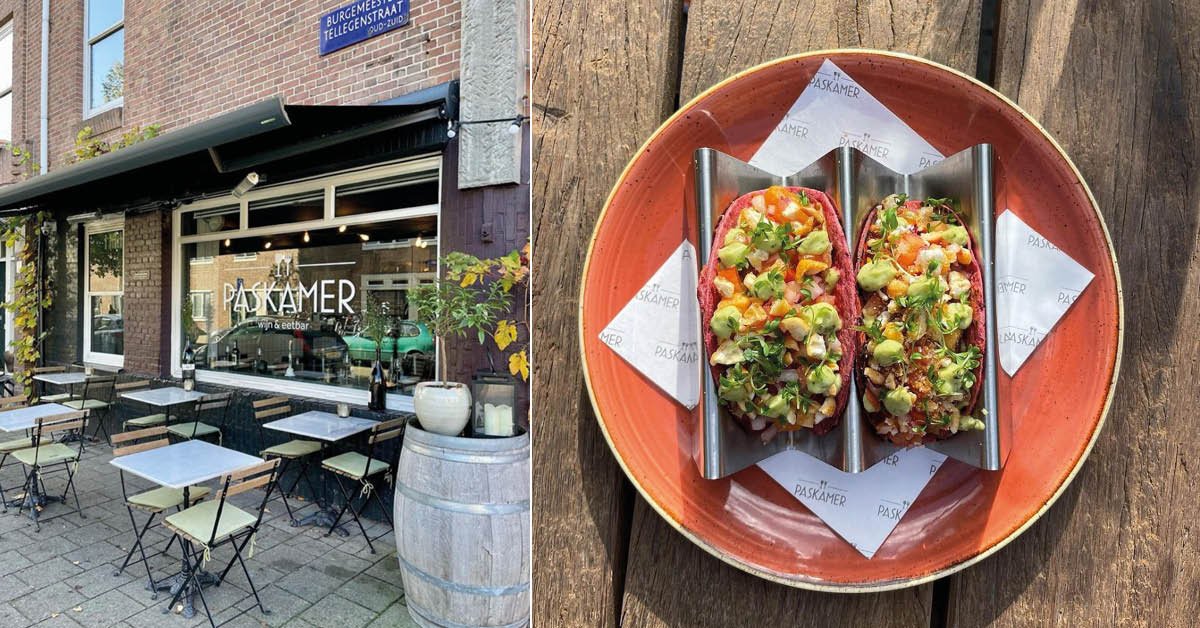
Wijnbar Paskamer reads like a calm, neighbourhood wine room tucked into a quieter stretch of De Pijp. The space foregrounds wine and conversation over performance, so afternoons feel unhurried and residential while evenings shift into a modestly busier destination within the neighbourhood. That restrained tempo and the emphasis on a serious wine list give the bar a quietly sophisticated, relaxed character: intimate without being fussy, and deliberately removed from the canal‑belt hustle. It’s the kind of place you go to linger over a glass and a measured conversation rather than to be part of the city’s louder, cocktail-led circuit.
Best For
This is a good pick for low-key wine drinking across different parts of the day. In the afternoon and at lunch it functions as an extension of local café culture—easy for solo visits or a casual catch-up—while evenings draw a slightly livelier crowd as the wider neighbourhood awakens. Date nights work well here because the room supports conversation and a serious wine list; after-work stopoffs are also natural as the bar becomes a discreet destination within De Pijp. It’s neighborhood-first, so expect a relaxed, locally minded experience rather than a tourist hotspot.
Ordering Tips
Lean into the wine-focused format: allow the staff to guide you through the list if you’re unsure, especially if you’re visiting for the first time. Visit in the afternoon for a slower tempo and a more leisurely seat at the wine counter; if you prefer a livelier evening, go later when the bar functions as a destination within the night out. Because the space prizes conversation and a considered wine selection, plan for tasting and discussion rather than rushed rounds—ask for tastes or short pours if you want to sample more than one bottle.
Venue details
Ambiance
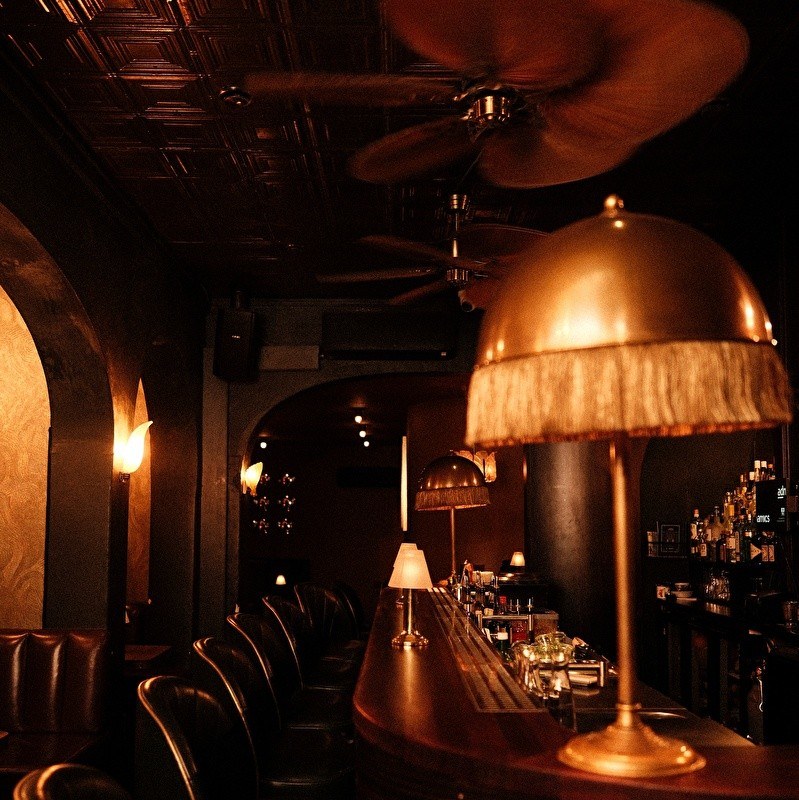
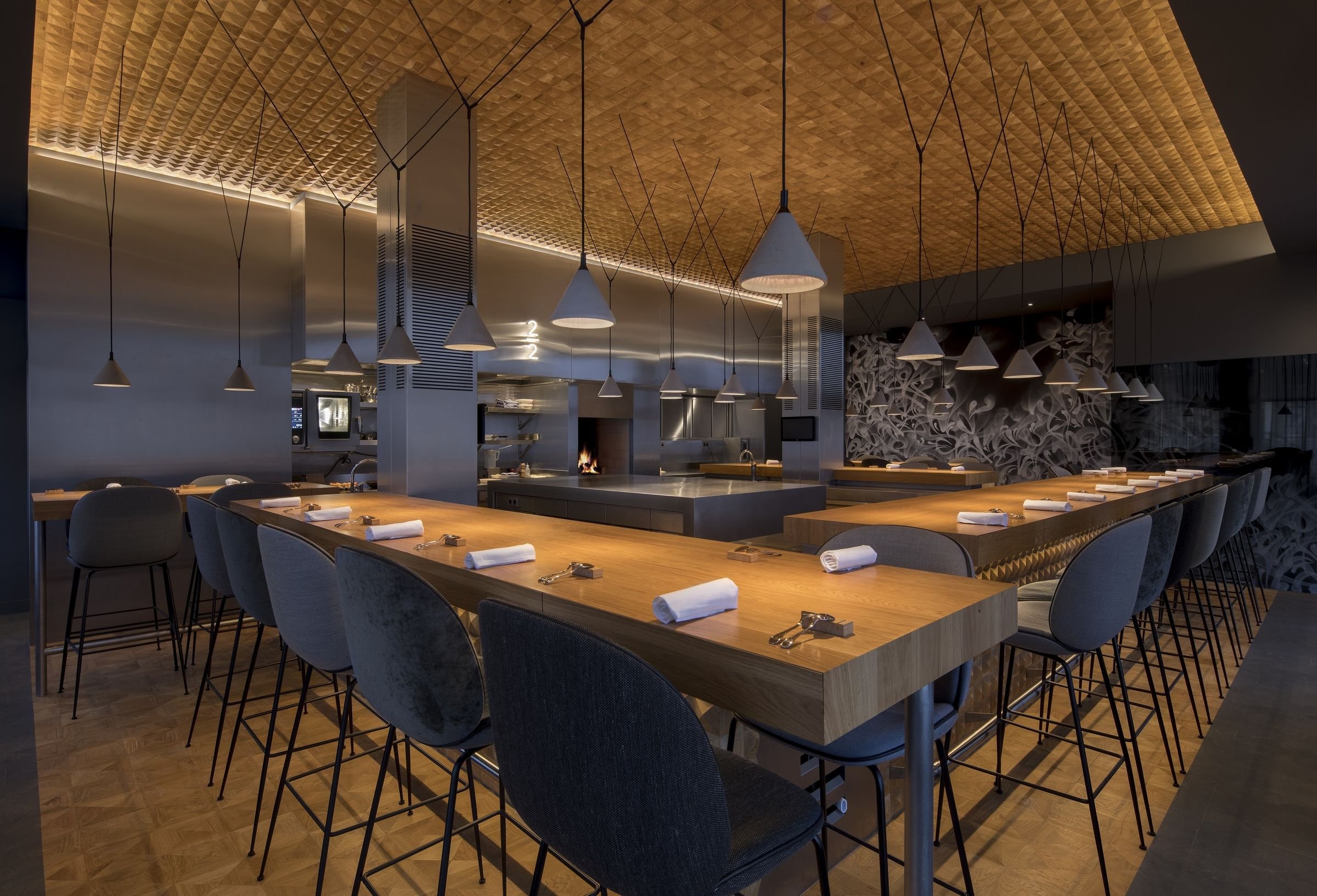
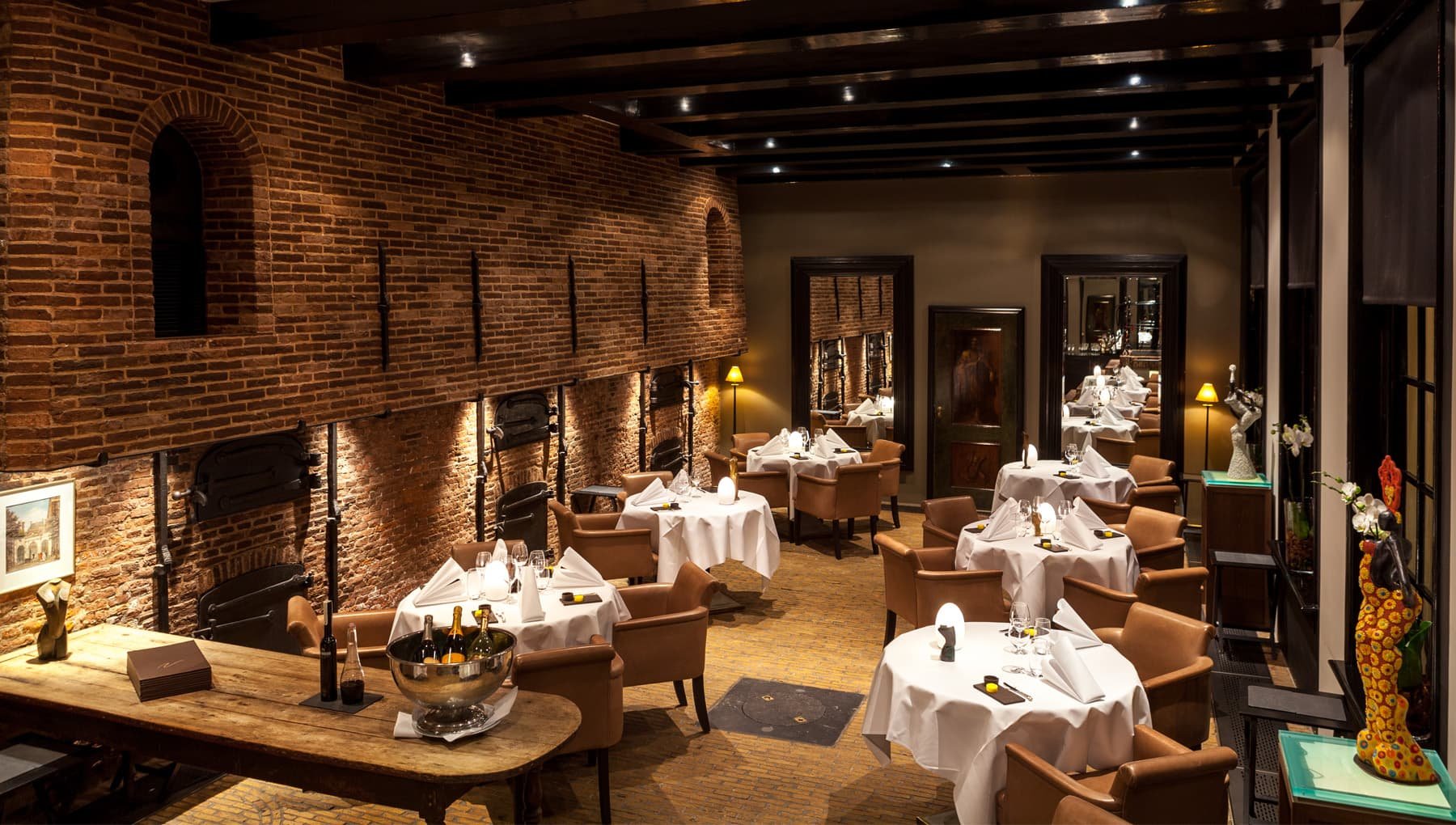
Intimate and cozy house-like atmosphere with warm, unpretentious lighting and welcoming vibe.
Tags
Vibe
Best For
Experience
Format
Accessibility
At the Bar
- Bar Category
- Wine Bar
Planning details
Location
Recognition and awards

Also consider
Also Consider
- Glou Glou, Notable alternative
- Twenty Third Bar, Notable alternative
- De Badcuyp, Notable alternative
- The College Bar & Lounge, Notable alternative
- Café de Wetering, Notable alternative
Bar context
How Wijnbar Paskamer compares in Amsterdam
Choose Wijnbar Paskamer over Twenty Third Bar or The College Bar & Lounge when wine is the reason for the booking. The hotel-bar options make more sense for a polished occasion or a lounge setting, but Paskamer has the clearer wine signal thanks to Star Wine List recognition.
Against Glou Glou, De Badcuyp, Café de Wetering, the decision should come down to mood and logistics. Paskamer is the practical pick for an easy De Pijp wine stop; the others are worth checking when the preferred neighborhood or room style matters more than a wine-list credential.
For value, avoid overthinking it: without a published price tier, the safer read is format-based. Paskamer is worth prioritizing when the group wants a focused glass rather than a full dining plan or cocktail-led night.
Around this place
Discover more on Pearl
Unlock the full Wijnbar Paskamer guide in Pearl, including awards, comparisons, FAQs, planning details, and nearby places.
Compare Wijnbar Paskamer
| Venue | Location | Awards |
|---|---|---|
| Wijnbar Paskamer | Amsterdam | Star Wine Lists 2026 |
| Glou Glou | Amsterdam | No published awards |
| Twenty Third Bar | Amsterdam | No published awards |
| De Badcuyp | Amsterdam | No published awards |
| The College Bar & Lounge | Amsterdam | No published awards |
| Café de Wetering | Amsterdam | No published awards |
How Wijnbar Paskamer Amsterdam compares with similar nearby venues.
FAQ
Frequently Asked Questions
Is Wijnbar Paskamer good for a date?
It can fit a casual Amsterdam plan if the hours work for you. The Star Wine List 2026 recognition is the clearest hook, the opening times make early-evening plans possible from 4 PM on weekdays and 3 PM on weekends.
Is Wijnbar Paskamer open late?
Yes. Wijnbar Paskamer is open until 12 AM Monday through Saturday. Sunday is shorter, with hours from 3 PM to 9 PM.
What's the best time to go to Wijnbar Paskamer?
Use the opening times as your guide: 4 PM Monday through Friday, 3 PM on Saturday and Sunday. Sunday has the shortest window, ending at 9 PM.