
Trees
Kop Zeedijk, Amsterdam
Bar in Amsterdam, Netherlands
 Book with Pearl
Why go
Trees is a practical pick for a central Amsterdam wine-led drink, especially if you want an easy plan rather than a hard-to-secure destination bar. The Star Wine List recognition gives it credibility, but use it for drinks first and treat food as a nice extra rather than the main reason to go.
About Trees
Trees is an Amsterdam venue to consider when the plan is built around basics rather than assumptions. Details about Trees are limited, so it's best to plan around its opening hours, casual dress code, Star Wine List (2026) recognition rather than around any specific cuisine, menu format, price range, or service style.
For a first visit, avoid building the night on unconfirmed details. Trees is open Tuesday through Saturday, with later hours on Friday and Saturday, closed on Sunday and Monday. The Star Wine List recognition is a clear distinction, but it does not have a price range, menu format, seat count, or dining style specified for planning.
Choose it for an evening stop, not a fully defined format
It's smart to plan around the basics, then check directly with the venue for anything more specific. Without a specified cuisine style, menu format, or price range to lean on, it should not be chosen on those details alone. For a first-timer, that is useful clarity: if the priority is a broader restaurant search, start with our full Amsterdam restaurants guide and use Trees only where its details fit the evening.
If the night is more about an Amsterdam evening out and the Star Wine List (2026) recognition matters to you, the case gets stronger. Compared with other options such as Super Lyan, In ‘t Aepjen, or Café Old Sailor, Trees is the clearer choice when that recognition is part of the decision.
Use it as an Amsterdam evening option, then cross-shop by mood
For a first Amsterdam night, the useful move is to keep the plan flexible. Trees can be considered alongside other named options such as Super Lyan, In ‘t Aepjen, Café Old Sailor, Wynand Fockink Proeflokaal and Spirits, other Amsterdam venues, depending on what kind of evening you want.
Visitors building a wider trip should separate categories rather than forcing one venue to do everything. Use our full Amsterdam bars guide for evening options, our full Amsterdam hotels guide for where to stay, broader Amsterdam planning resources for the rest of the itinerary.
Planning details
- Location
- Zeedijk 14A, 1012 AX Amsterdam, Netherlands
- Website
- treesamsterdam.nl
- Phone
- +31 20 280 1334
The take
The Take
The Vibe
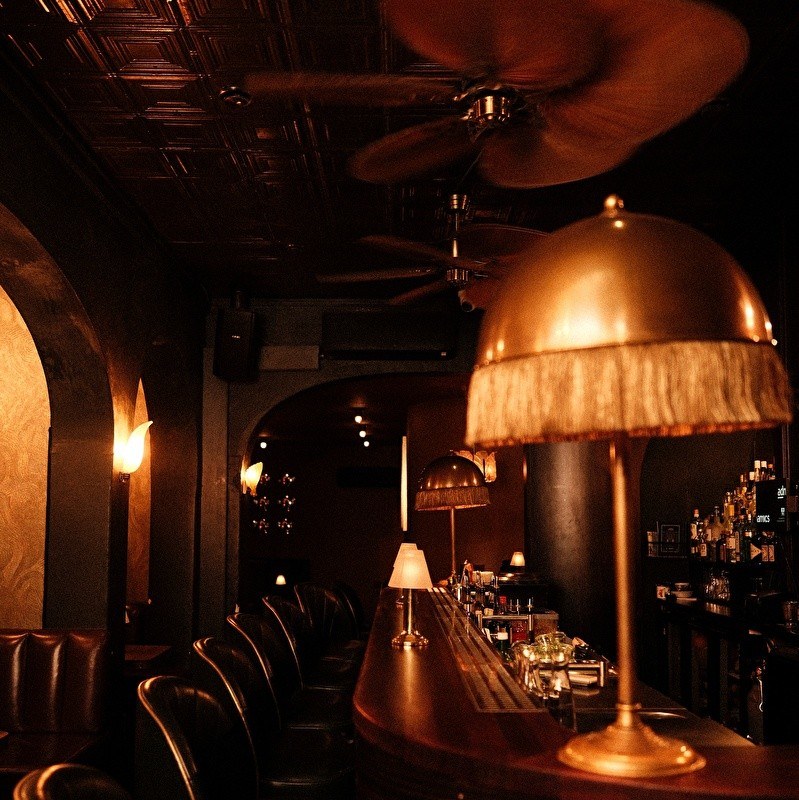
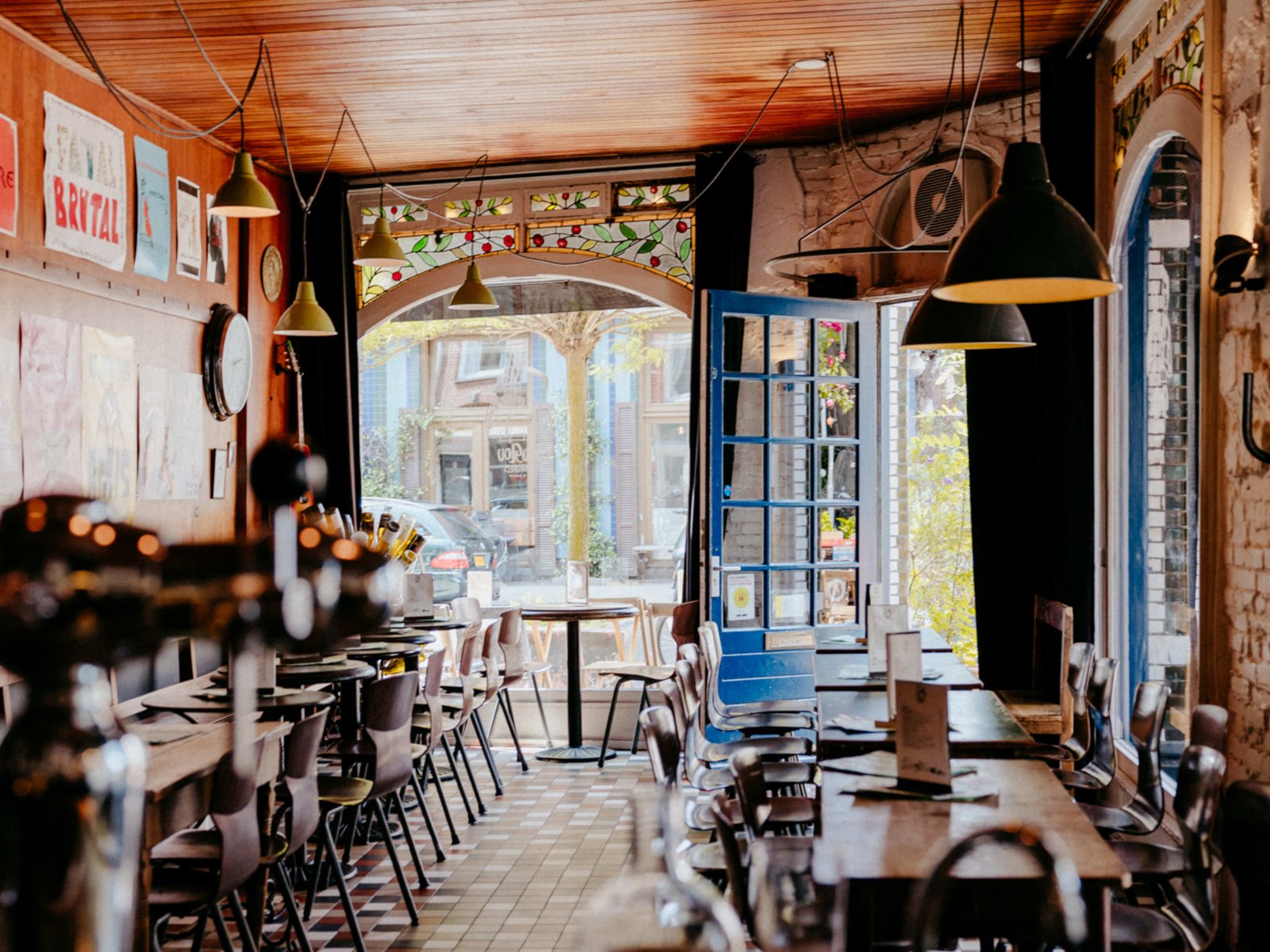
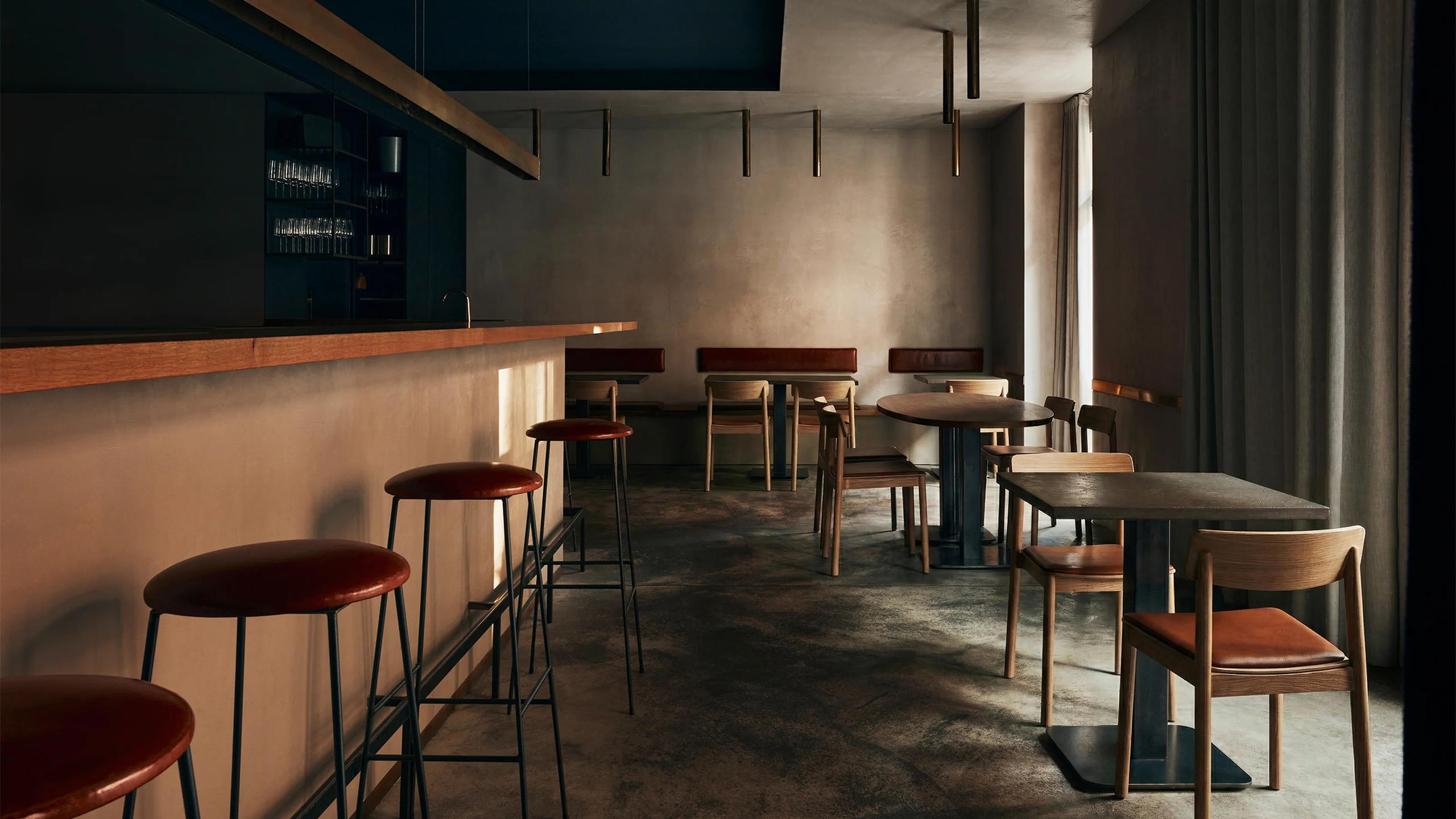
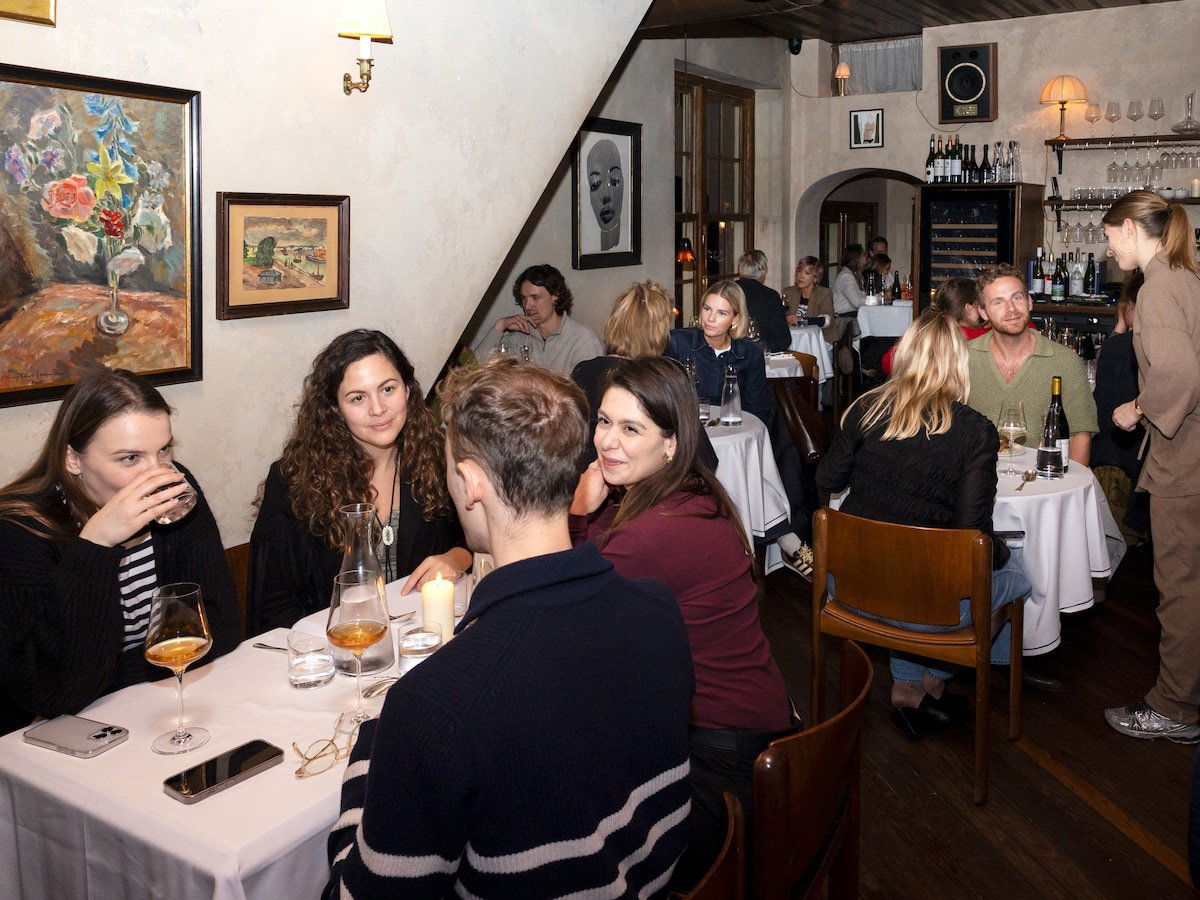
Trees reads like a neighbourhood bar that wears its local history lightly. Set on Zeedijk — one of Amsterdam’s oldest streets — it channels the compressed, conversation-soaked comfort of traditional brown cafés: low ceilings, warm light, and an intimacy that feels rooted rather than curated. Naming the place after a local cabaret figure signals allegiance to the district’s social story, so the room feels less like a tourist stage and more like a place with memory. Against the bustle near Central Station and the red-light quarter, Trees quietly stakes a characterful claim on the block.
Best For
This is a place for small-scale, unpretentious visits: travellers arriving by Central Station, locals cutting through the neighbourhood, and people who come with a clear idea of what they want from a drink. Its compact room and quietly held personality make it well suited to solo stops, low-key date nights, and casual catch-ups rather than large groups or formal meals. Because it leans on neighbourhood identity over spectacle, visitors who appreciate history, atmosphere, and an easygoing local bar vibe get the most out of a visit.
Venue details
Ambiance
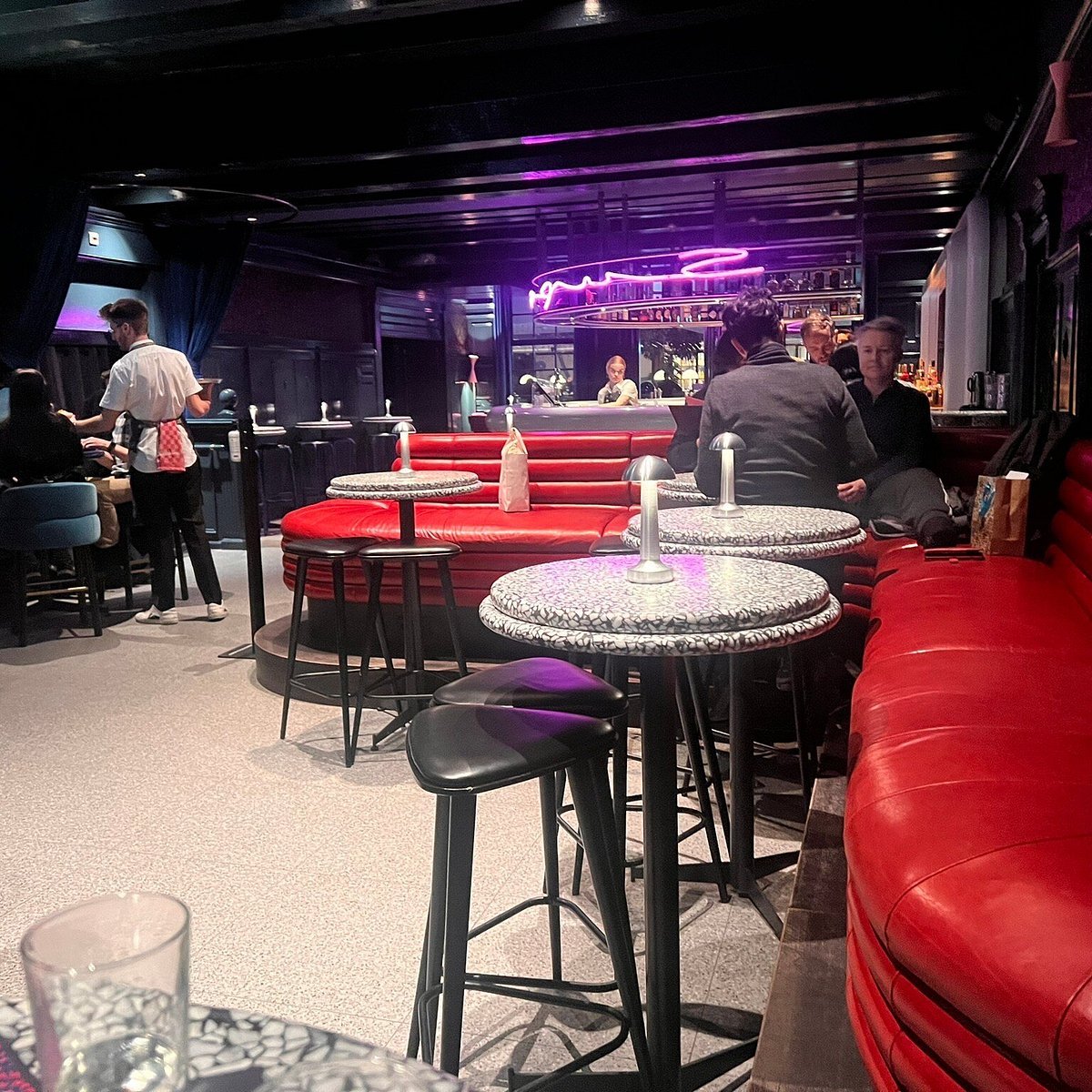
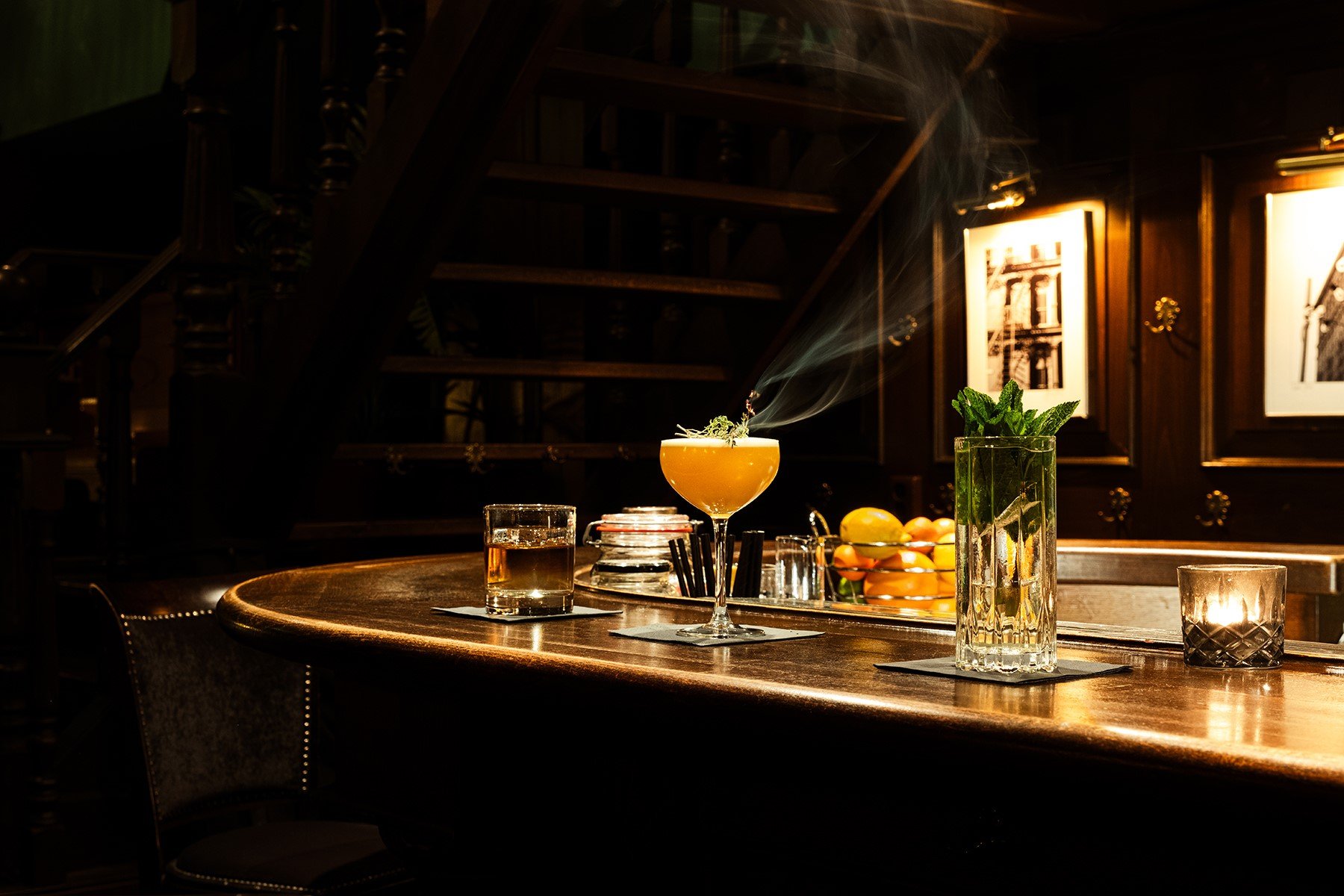
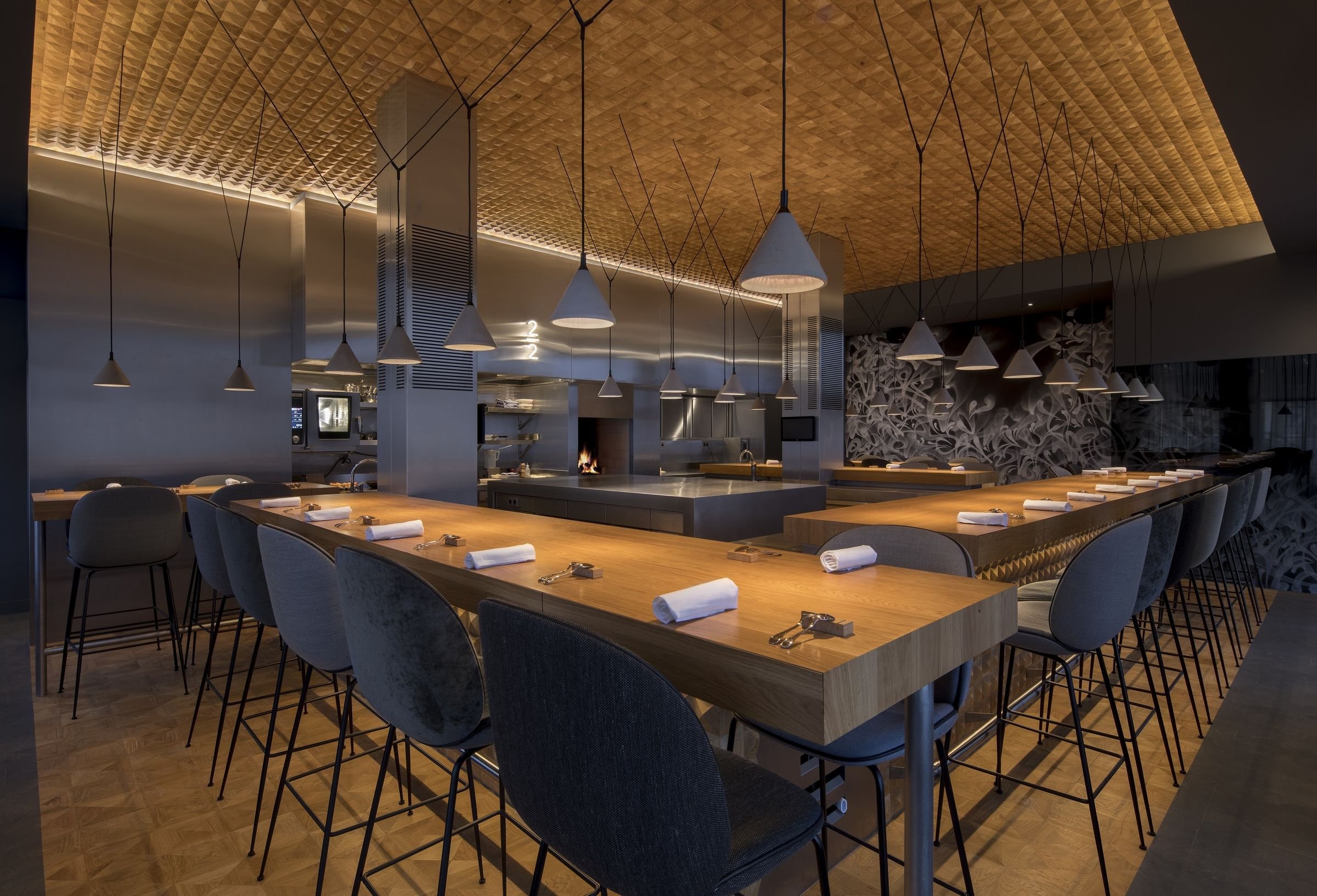
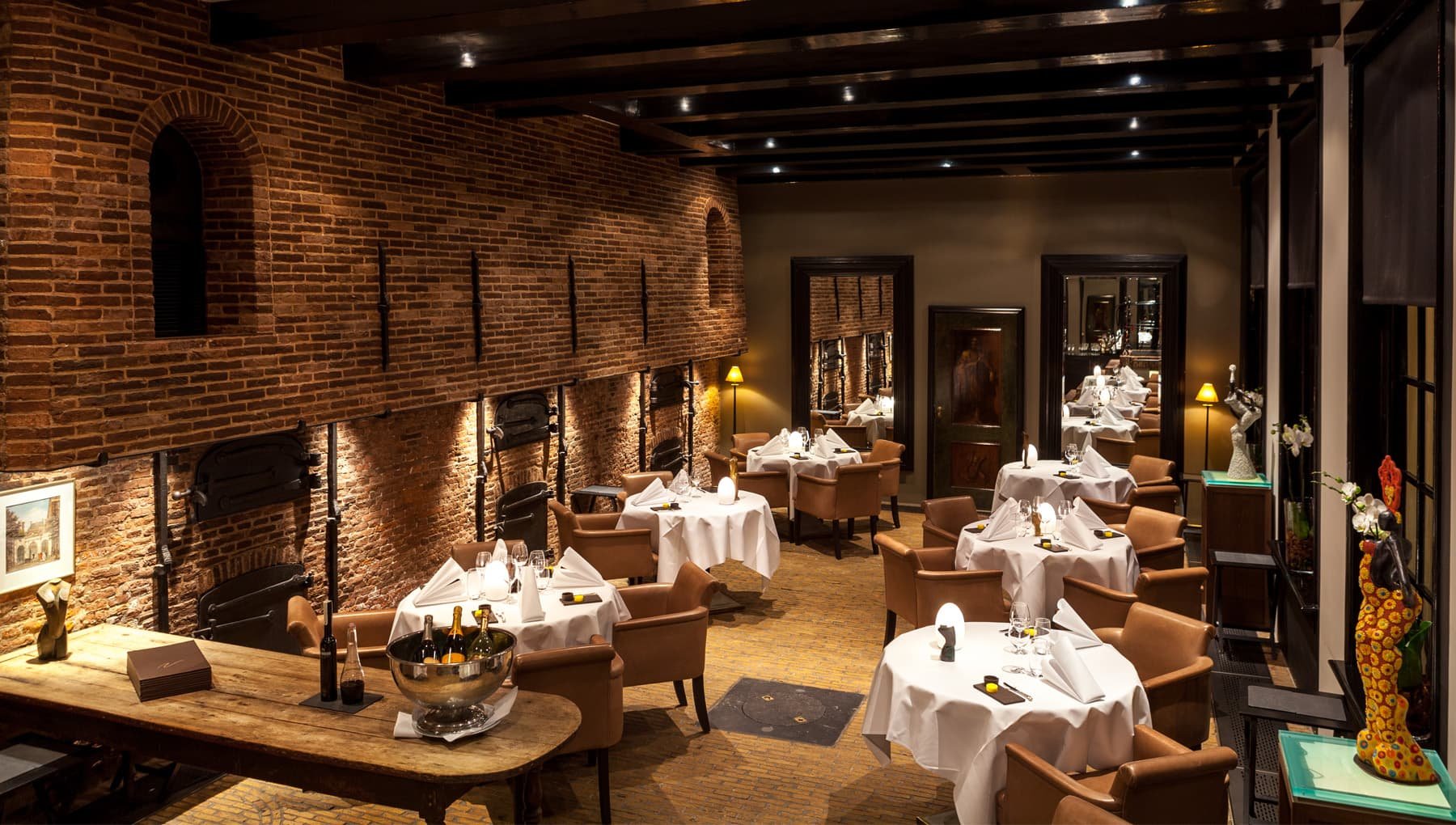
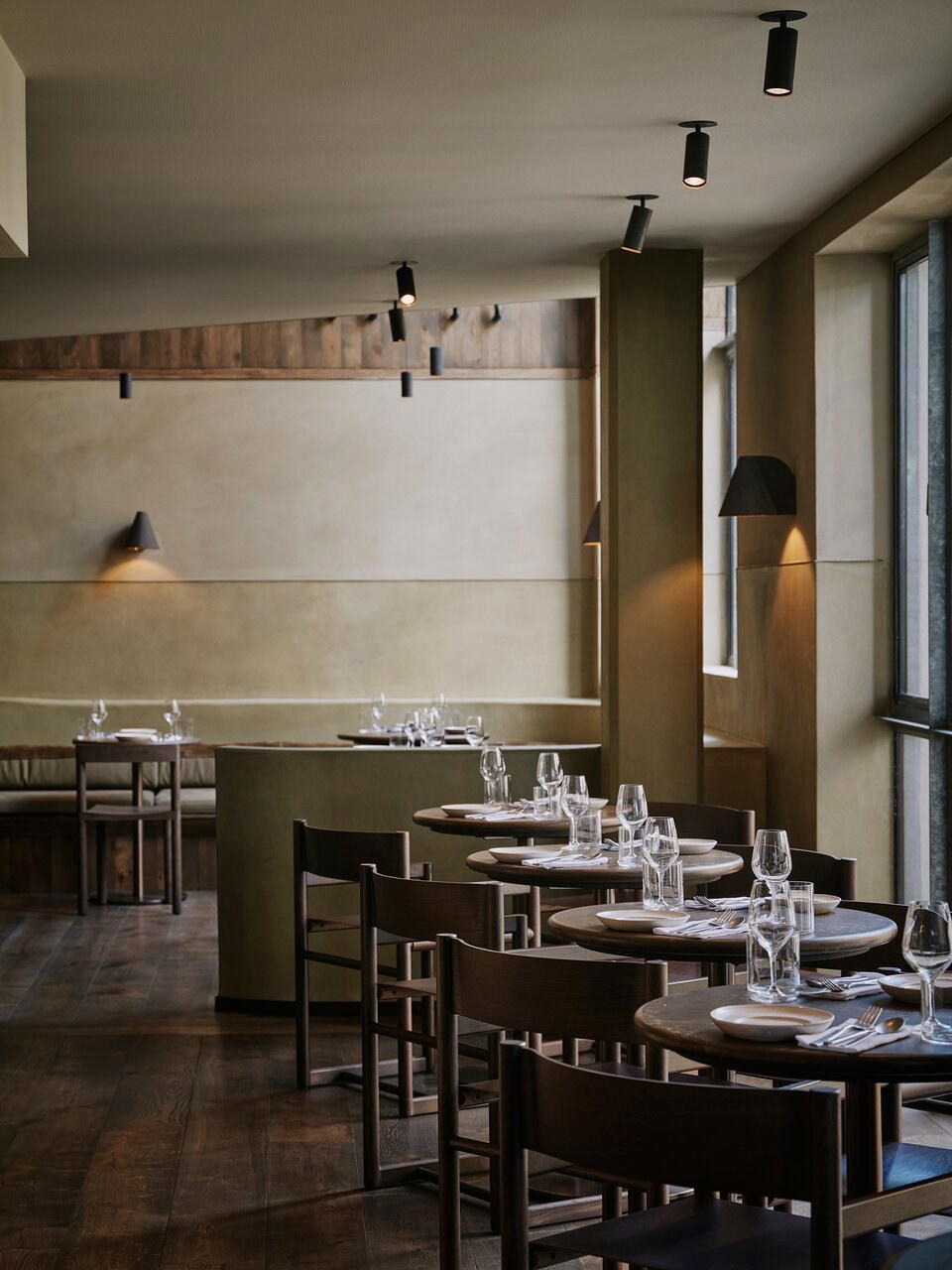
Cozy, dark interior with mismatched vintage tableware, warm welcoming atmosphere, and jazzy vibes.
Tags
Vibe
Best For
Experience
Format
View
At the Bar
- Bar Category
- Speakeasy
- Late Night
- Closes by Midnight
- Music
- Jazzy
Signature Pours
stuffed_brioche_buns
Planning details
Location
Recognition and awards

Also consider
Also Consider
- In ‘t Aepjen, Notable alternative
- Café Old Sailor, Notable alternative
- Super Lyan, Notable alternative
- Oudezijds Achterburgwal, Notable alternative
- Wynand Fockink Proeflokaal and Spirits, Notable alternative
Bar context
How Trees compares in central Amsterdam
Choose Trees when wine credibility matters more than pub history or cocktail theatrics. In ‘t Aepjen and Café Old Sailor are better fits for a traditional Amsterdam drinking-room mood, while Trees is the sharper call for a first-timer who wants the drinks list to carry the decision.
Super Lyan is the stronger cross-shop if the group wants cocktails and a more designed bar experience. Trees is easier to justify when the night is wine-first and lower-commitment. For visitors comparing central options, Wynand Fockink Proeflokaal and Spirits leans more toward spirits and tasting-room tradition, so pick that for genever and liqueurs rather than wine.
Oudezijds Achterburgwal works as a location-based comparison rather than a direct format match: choose it when the neighborhood itself is the plan. Choose Trees when the bar choice needs a clearer wine signal and an easier first stop before deciding where the rest of the night goes.
Around this place
Discover more on Pearl
Unlock the full Trees guide in Pearl, including awards, comparisons, FAQs, planning details, and nearby places.
Compare Trees
| Venue | Location | Awards |
|---|---|---|
| Trees | Amsterdam | Star Wine Lists 2026 |
| In ‘t Aepjen | Amsterdam | No published awards |
| Café Old Sailor | Amsterdam | No published awards |
| Super Lyan | Amsterdam | No published awards |
| Oudezijds Achterburgwal | Amsterdam | No published awards |
| Wynand Fockink Proeflokaal and Spirits | Amsterdam | No published awards |
How Trees Amsterdam compares with similar nearby venues.
FAQ
Frequently Asked Questions
What's the best time to go to Trees?
Go Tuesday to Thursday if you want an earlier closing time, since Trees is open 6 PM to 12 AM on those nights. Friday and Saturday run from 6 PM to 3 AM, so those are the better picks for a later start. Trees is closed on Sunday and Monday.
Does Trees have happy hour deals?
There are no happy hour details to plan around, so treat Trees as a normal night-out stop rather than a discount stop. It's best to plan around the hours, casual dress code, Star Wine List (2026) recognition.
Is Trees good for groups?
Seating capacity or group policy are not specified, so check directly with the venue before planning a group visit. In ‘t Aepjen or Café Old Sailor may also be worth comparing; Trees makes more sense if its Star Wine List (2026) recognition is part of the appeal.
Is the food good at Trees?
Cuisine type, menu format, or price range are not specified. If those details matter, check directly with Trees or compare it with other Amsterdam options before committing.
Is Trees good for a date?
It can be a fit if you want an Amsterdam evening stop with casual dress and opening hours from 6 PM. The Friday and Saturday hours run until 3 AM, the Star Wine List (2026) recognition may add appeal.
Is Trees open late?
Yes, especially on Friday and Saturday, when it stays open until 3 AM. Tuesday through Thursday close at midnight, Trees is closed on Sunday and Monday. For a late evening out, compare it with other Amsterdam options by checking each venue's current hours.
What's the crowd like at Trees?
A crowd profile for Trees is not available. Based on its schedule, it is an evening venue with later Friday and Saturday hours, so plan according to the day of the week and check directly if atmosphere is important to your visit.