
Bar in Amsterdam, Netherlands
Restaurant Olivar
100ptsOld-City Mediterranean
About Restaurant Olivar
Restaurant Olivar occupies a canal-side address on Oudezijds Voorburgwal, one of Amsterdam's oldest waterways, placing it at the intersection of the city's medieval core and its modern dining ambitions. The kitchen draws on ingredient-led sourcing traditions that have defined the better end of Dutch restaurant culture for the past decade. For visitors working through Amsterdam's increasingly competitive dining scene, it sits in the mid-to-upper register of neighbourhood options worth investigating.
Where the Old City Meets the Plate
Oudezijds Voorburgwal is one of Amsterdam's oldest canals, a stretch of water flanked by gabled houses that predate most European capitals' restaurant cultures by centuries. The address alone, at number 10, places Restaurant Olivar at the northern edge of the canal where foot traffic is quieter than the Damrak crush a few streets east, and where the light off the water in the afternoon has a particular grey-green quality that the city's painters made famous. That physical setting shapes the mood before a guest reaches the door: there is a sense of arrival rather than discovery, of a place that occupies its address with some permanence.
Amsterdam's dining scene has reorganised itself over the past decade. The old divide between formal Dutch restaurants and casual brown cafes has blurred, with a middle tier of European-inflected independents taking root across the canal belt. Olivar sits within that shift, its name evoking Mediterranean register at a latitude where olive trees do not grow. That kind of geographical tension is characteristic of the city's better dining rooms, which have long sourced culinary vocabulary from further south while grounding it in the precise, ingredient-focused discipline that Dutch cooking culture has always maintained at its serious end.
Reading the Room
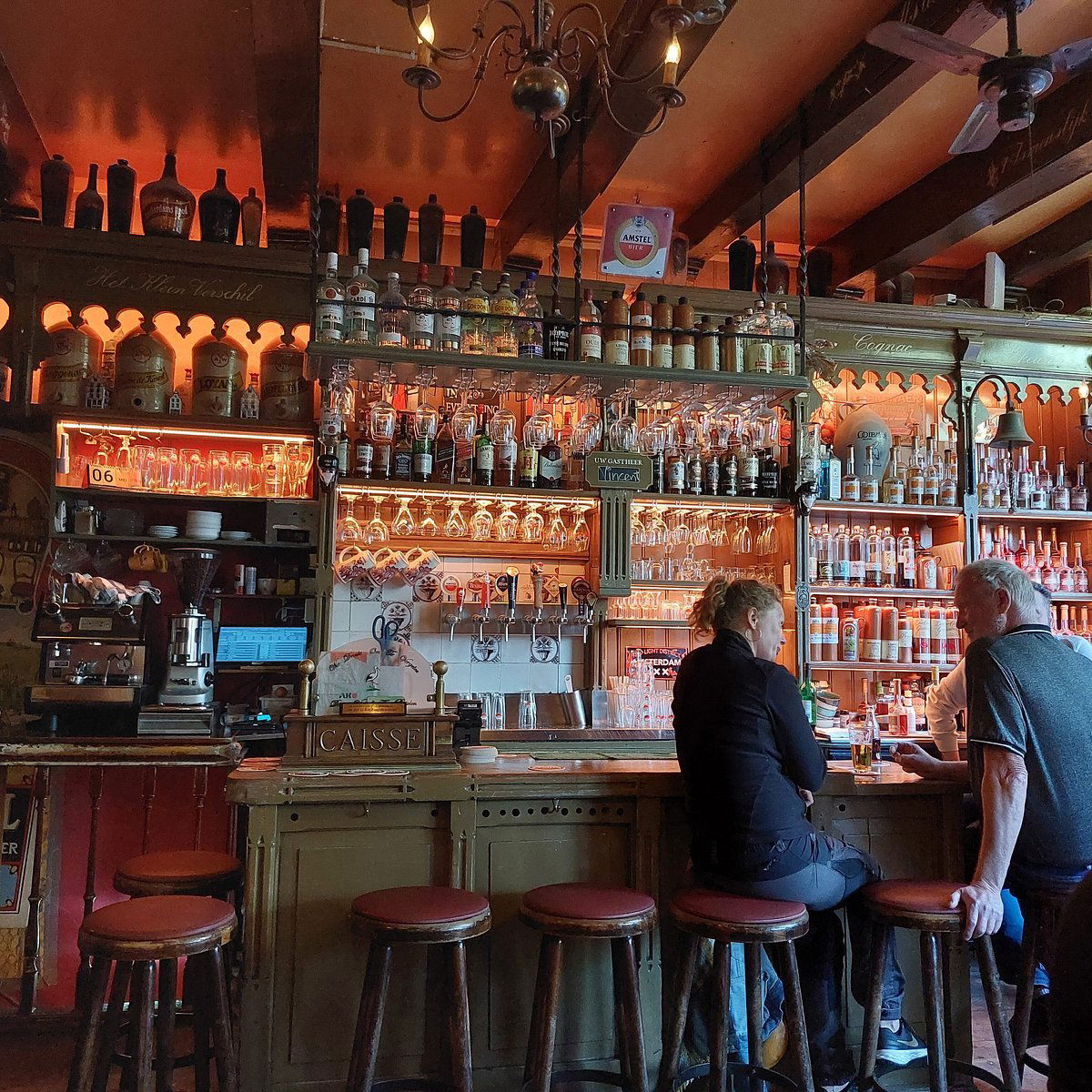
The atmospheric approach that defines EA-BR-03 editorial framing is worth taking seriously here, because the physical character of a space on Oudezijds Voorburgwal tells you something specific about dining in the old city. Canal-adjacent buildings in this part of Amsterdam tend toward narrow footprints and tall windows, and the rooms inside them acquire a particular quality of natural light in the morning and a settled dimness by evening. Restaurants that work with those constraints rather than against them, keeping lighting warm and arrangements close without feeling compressed, tend to generate the kind of ambient intimacy that more deliberately designed rooms often fail to achieve. The built environment does the heavy architectural work; the dining room only needs to not interrupt it.
That context matters for how to read Olivar against the wider Amsterdam restaurant tier. The city's upper-middle bracket of independent restaurants has increasingly concentrated in the canal belt and the Jordaan, where the combination of neighbourhood foot traffic and tourist proximity creates a reliable cover base without requiring the volume model of a restaurant row location. Oudezijds Voorburgwal is a credible address for that category, close enough to the centre to capture informed visitors arriving from hotels around Dam Square, far enough from the Leidseplein corridor to avoid the seasonal volatility that affects that strip.
The Culinary Context: Mediterranean Cooking in Northern Europe
Mediterranean cooking at Amsterdam latitudes follows a pattern established in cities like London, Copenhagen, and Brussels: the technique is imported, but the ingredient sourcing is necessarily hybrid. Dutch agriculture produces dairy, root vegetables, and certain cheeses that can anchor a Mediterranean-inflected menu credibly, while fish sourced from the North Sea rather than the Adriatic or Tyrrhenian tends to be handled with the directness that northern European cooking has always applied to its seafood. The result, at the better independents, is a kind of disciplined southern European sensibility applied to a northern ingredient reality. That produces cooking that reads as Mediterranean in spirit without being a facsimile.
Olivar's name references the olive tree, which in Spanish and Portuguese culinary tradition anchors both the cooking fat and the table snack that opens a meal. Whether the kitchen works within a Spanish, Portuguese, or broader Mediterranean register is not confirmed in available data, but the nomenclature signals an intention toward that broader southern European culinary family. Within Amsterdam's current dining map, that places Olivar in a peer set that includes Portuguese-leaning independents in De Pijp and Spanish-inflected rooms in the Jordaan, a small but growing cohort that has benefited from the Dutch appetite for wine-led, ingredient-forward dining.
Booking and Visiting
For visitors working through Amsterdam's dining options, the Oudezijds Voorburgwal address is worth the short walk north from Centraal Station or east from the Jordaan, depending on where you're based. The canal here is narrower than the Herengracht or Keizersgracht, the tourist density lower, and the approach on foot along the water is one of the quieter entries into the old city's dining quarter. Booking ahead is the sensible approach for any independent at this address level in Amsterdam; canal-belt rooms of this character rarely hold many covers, and weekend evenings in the spring and autumn, when Amsterdam's conference and leisure visitor mix peaks, can compress availability quickly.
For those building a broader Amsterdam evening, the cocktail programme in the city has matured considerably. Door 74 on Reguliersdwarsstraat maintains one of the city's most technically focused menus, while Tales & Spirits has carved a distinct position with its ingredient-led approach. For a more relaxed post-dinner setting, Amsterdam Roest offers a different tempo entirely. Breakfast or brunch the following morning is well handled at Bakers & Roasters, which has built a consistent reputation in the city's morning dining tier.
Visitors exploring the Netherlands more broadly will find that the country's dining quality extends well outside Amsterdam. Espressobar Kopi Soesoe in Rotterdam represents the kind of specialist coffee culture that the second city has developed with some seriousness, while Florin Utrecht in Utrecht and Boode Foodbar in Bathmen show that quality independent dining has spread into smaller cities and towns. In the south, Café Barolo in Eindhoven covers the wine-bar-with-food format that Eindhoven's design-oriented professional class has made viable. Further afield, Bowie in The Hague and Brasserie Lalou in Delft are worth noting for anyone spending time in the southern Randstad. And for something entirely outside the Dutch context, Bar Leather Apron in Honolulu represents the kind of precision cocktail programme worth benchmarking against when assessing what the format can achieve globally.
The full picture of Amsterdam's dining and drinking options, from canal-belt independents to neighbourhood specialists, is covered in our full Amsterdam restaurants guide.
Frequently Asked Questions
What should I try at Restaurant Olivar?
The venue's name and address position it within the Mediterranean-inflected independent tier in Amsterdam, suggesting a kitchen oriented toward southern European technique and ingredient selection. Without confirmed menu data, the sensible approach is to ask the team what is driving the kitchen on the day you visit, and to orient toward whatever the wine list signals most confidently about regional sourcing.
What makes Restaurant Olivar worth visiting?
Address on Oudezijds Voorburgwal puts it in one of Amsterdam's oldest and most characterful canal stretches, where the built environment does a great deal of atmospheric work that newer restaurant districts cannot replicate. For visitors who want a dining room that feels embedded in the city's actual fabric rather than designed around a hospitality concept, that location carries weight.
How hard is it to get in to Restaurant Olivar?
Canal-belt independents in Amsterdam at this address type typically run limited covers, and availability on weekend evenings during the spring and autumn peak seasons can be tight. The practical advice is to book as far ahead as the trip planning timeline allows, and to check for midweek availability if the preferred date is not open.
What is Restaurant Olivar a good pick for?
It suits visitors who want a canal-belt dining room with Mediterranean orientation and a neighbourhood feel, away from the high-volume tourist corridor around Leidseplein and Rembrandtplein. The address works equally well for a dinner anchored around wine as for a meal built around the kitchen's sourcing. It is also a reasonable choice for those exploring the old city on foot, given how walkable the Oudezijds Voorburgwal location is from the central hotel zone.
Is Restaurant Olivar worth the prices?
Without confirmed pricing data, a direct answer isn't possible here. What the address and positioning suggest is that Olivar operates in the independent mid-to-upper tier of Amsterdam dining, where value is typically assessed against the quality of sourcing and kitchen discipline rather than portion volume. That bracket in Amsterdam currently offers credible returns for the spend, particularly at restaurants with a clear culinary identity.
Does the canal setting at Oudezijds Voorburgwal affect the dining experience at Restaurant Olivar?
Canal-adjacent buildings in Amsterdam's old city have narrow footprints, tall windows, and a quality of natural light that shifts significantly across the day. Restaurants on this stretch tend to feel more intimate in the evening as the canal light fades and interior warmth takes over. For visitors specifically interested in that atmospheric register, an early-evening reservation captures the transition between the two lighting conditions, which is among the more specific sensory arguments for dining on this particular canal rather than in the Jordaan or De Pijp.
Related editorial
- Best Fine Dining Restaurants in ParisFrom three-Michelin-star icons to the next generation of Parisian chefs pushing boundaries, these are the restaurants that define fine dining in the world's culinary capital.
- Best Luxury Hotels in RomeFrom rooftop terraces overlooking ancient ruins to Michelin-starred hotel dining, these are the luxury hotels that make Rome unforgettable.
- Best Cocktail Bars in KyotoFrom sleek lounges to hidden speakeasies, Kyoto's cocktail scene blends Japanese precision with global influence in ways you won't find anywhere else.
Save or rate Restaurant Olivar on Pearl
Keep this venue in your Pearl passport, rate it after you visit, and track it alongside every other place you collect.