
Bar in Amsterdam, Netherlands
Generator Amsterdam
100ptsSocial-Infrastructure Hostel
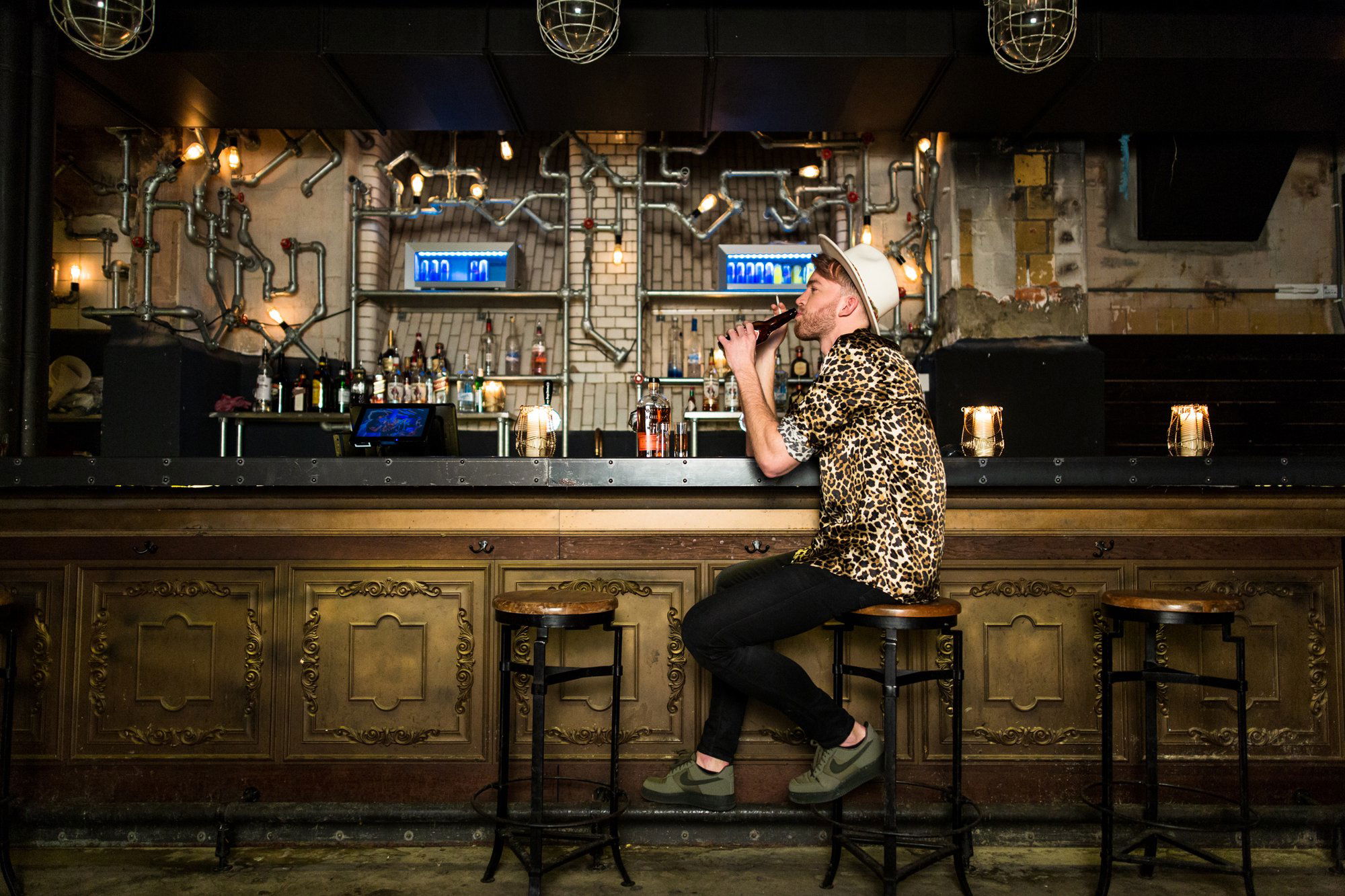
About Generator Amsterdam
Generator Amsterdam occupies a converted building on Mauritskade 57, positioning itself in the social, lower-price-per-night tier of Amsterdam's accommodation and bar scene. The in-house bar draws a transient but engaged crowd where the craft behind the counter matters more than ceremony. For travellers who want proximity to the city's canal belt without paying boutique hotel rates, it offers a credible base.
The Mauritskade Address and What It Signals
Amsterdam's eastern canal fringe, where Mauritskade runs alongside the Singelgracht, sits at an interesting remove from both the tourist density of Centraal Station and the self-conscious cool of De Pijp. Properties along this stretch tend to draw a crowd that has done some research: close enough to reach the Rijksmuseum in under twenty minutes on foot, far enough from the Leidseplein axis that the street outside is quiet after midnight. Generator Amsterdam occupies a converted building at number 57 on that stretch, and the address alone places it in a different register from the hostel-block format that dominated budget accommodation in the city a generation ago.
The Generator brand has built its European footprint around properties that occupy repurposed architecture rather than purpose-built blocks, and Amsterdam fits that model. The physical approach to the building carries a certain industrial-residential texture that is characteristic of this part of the city, where nineteenth-century municipal buildings have been converted into cultural venues, studios, and accommodation over the past two decades. Walking up to Mauritskade 57, you are reading a neighbourhood that is still mid-transition, which gives the property a context that a central hotel address cannot replicate.
The Bar as the Social Infrastructure
In the Generator model across its European locations, the bar is not an amenity appended to the accommodation offer. It functions as the social infrastructure of the building, the place where the transient population of the property consolidates after arriving from different cities and different itineraries. This matters for how the person behind the bar is positioned. Unlike a neighbourhood cocktail bar, where the bartender is performing for a local audience that will return next week and hold them to account, the Generator bar operates on a rolling audience of first-timers. That dynamic changes the craft requirement: the bartender here must establish credibility quickly, read a room that contains multiple nationalities and expectations, and deliver drinks that communicate competence without requiring the guest to already know the vocabulary.
Amsterdam has a serious cocktail culture at its higher end. Venues like Door 74 operate on a reservation model with a dedicated local following, while Tales & Spirits has built a program around ingredient-led precision. These bars represent the specialist tier of the city's drinking scene, where the expectation is that the guest arrives knowing what kind of bar they are in. The Generator bar operates on a different axis entirely: it is accessible, high-volume, and socially permissive. The craft question there is about reliability and speed at scale, not the refinement of a twelve-step clarification.
What the leading hostel and social hotel bars share with their premium counterparts is a commitment to the guest's experience of the counter itself. The bartender's ability to hold a conversation, pace a round correctly, and identify when a table wants to be left alone versus when they want engagement is the same skill whether the drink is a house beer or a pressed-citrus cocktail. At Generator Amsterdam, that hospitality intelligence is the operational asset, even if the drinks format is simpler than what you would find at the specialist bars in the Jordaan or along the Herengracht.
Where Generator Sits in Amsterdam's Accommodation Tier
Amsterdam's mid-range accommodation market has been under pressure from short-term rental restrictions, which the city has progressively tightened through the early 2020s. That policy shift has pushed more travellers toward the formal accommodation sector, and properties in the social hotel format have benefited from increased demand. Generator Amsterdam sits in a price band below boutique hotels but above basic hostel infrastructure, occupying a cohort that also includes properties in the converted-building category across the Jordaan and Oud-West. The Mauritskade location gives it a slightly peripheral character relative to those central alternatives, which is either a drawback or an advantage depending on how much the guest values street-level quiet over walking distance to the canal belt.
For travellers moving between Dutch cities, Amsterdam Centraal is accessible from Mauritskade via tram on the 9 line, which also connects to the museum quarter. Rotterdam, Utrecht, and The Hague are all within an hour by intercity rail from Centraal, making Amsterdam a practical base for anyone covering the Netherlands broadly. Readers who explore that regional circuit might also look at Florin Utrecht in Utrecht, Bowie in The Hague, or Espressobar Kopi Soesoe in Rotterdam as reference points for the bar and café culture in those cities.
The Amsterdam Context: Drinking and Eating Around Mauritskade
The neighbourhood around Mauritskade is not a dining destination in the way that De Pijp or the Jordaan are, but it is not without resources. The Oosterpark area, a short walk east, has a residential café culture that operates at a lower pitch than the tourist-facing bars around Rembrandtplein. For guests who want to eat and drink within the Generator building rather than ranging across the city, the in-house offer covers the basics of the social hotel format: food and drink available at hours that accommodate late arrivals and early departures, without the formality of a restaurant booking.
Amsterdam's bar scene rewards exploration beyond the central axes. Amsterdam Roest represents the city's industrial-venue tradition, a format that suits the east side of the city where Generator Amsterdam is located. Bakers & Roasters operates in the brunch register but anchors a broader point about how Amsterdam's food culture has diversified well beyond its Dutch-Indonesian historical base. Our full Amsterdam restaurants guide maps the city's eating and drinking by neighbourhood and type, which is a more useful frame than any single venue recommendation for a first or return visit.
For travellers extending the Netherlands circuit further, Boode Foodbar in Bathmen, Brasserie Lalou in Delft, and Café Barolo in Eindhoven each offer reference points for the range of bar and restaurant formats operating outside Amsterdam's orbit. And for an international comparison point in a very different drinking culture, Bar Leather Apron in Honolulu illustrates how the craft cocktail format translates to a leisure-market context not entirely unlike the transient-audience dynamic that Generator Amsterdam's bar manages on a nightly basis.
Planning a Stay at Generator Amsterdam
Mauritskade 57 is reachable from Amsterdam Centraal by tram, and the Oosterpark stop places guests within a short walk of the building. Booking is handled through the Generator website, where rates vary considerably by season and room type. Amsterdam's peak travel period runs from April through September, with the tulip season in April and the summer festival calendar driving the highest demand. Guests arriving outside those months will find the city considerably less compressed and the accommodation market more flexible on rate. The social bar at Generator tends toward higher volume on weekend evenings, which is a feature for some guests and a consideration for others who prioritise sleep over the communal scene.
Frequently Asked Questions
- What do regulars order at Generator Amsterdam?
- Generator Amsterdam's bar format skews toward accessible, high-turnover drinks rather than an elaborate cocktail menu. Beer, direct mixed drinks, and wine are the workhorses of the counter. For guests specifically interested in craft cocktail programming, Amsterdam's specialist bars such as Door 74 or Tales & Spirits represent the dedicated tier of that scene.
- What should I know about Generator Amsterdam before I go?
- The property is located on Mauritskade 57 in Amsterdam's eastern canal fringe, a few kilometres from Centraal Station and accessible by tram. It operates in the social hotel format, which means shared common spaces and a bar that functions as the building's gathering point. Amsterdam's short-term rental restrictions have tightened the mid-range accommodation market in recent years, so booking ahead during peak season (April to September) is practical rather than optional.
- Can I walk in to Generator Amsterdam?
- Walk-in availability depends entirely on occupancy, which fluctuates with Amsterdam's busy tourism calendar. The city sees its highest accommodation demand from April through August, and Generator properties across Europe tend to run high occupancy during those months. Confirming availability through the Generator booking system before arrival is the reliable approach. Same-day availability is more plausible in the autumn and winter months.
- What's Generator Amsterdam a strong choice for?
- If the priority is a social atmosphere, a credible bar, and a price point below boutique hotels in a city where accommodation costs have risen sharply, Generator Amsterdam addresses all three. The Mauritskade location works particularly well for travellers using Amsterdam as a base for day trips to Rotterdam, Utrecht, or The Hague, given the tram connection to Centraal Station. It is less suited to guests who prioritise residential quiet above the building's communal energy.
- Is a night at Generator Amsterdam worth it?
- Relative to Amsterdam's current accommodation market, where mid-range options have contracted under short-term rental restrictions, Generator Amsterdam offers a defensible value position in the social hotel tier. The trade is direct: you accept shared spaces and a lively common area in exchange for a lower nightly rate and a better address than most comparable price-point options. Guests who have stayed at other Generator properties across Europe will find the Amsterdam version consistent with that format.
- How does Generator Amsterdam compare to other Generator properties in Europe for a city-break stay?
- The Amsterdam location follows the Generator template of repurposed architecture in a city with a strong independent travel culture, which aligns it more closely with the brand's Copenhagen and London properties than its beach-market locations. The Mauritskade address gives it a slightly off-centre character relative to those peers, sitting east of Amsterdam's main tourist corridor rather than in it. For travellers who have used Generator properties elsewhere in Europe, the format is consistent but the neighbourhood context is quieter and more residential than some of the brand's more central locations.
Related editorial
- Best Fine Dining Restaurants in ParisFrom three-Michelin-star icons to the next generation of Parisian chefs pushing boundaries, these are the restaurants that define fine dining in the world's culinary capital.
- Best Luxury Hotels in RomeFrom rooftop terraces overlooking ancient ruins to Michelin-starred hotel dining, these are the luxury hotels that make Rome unforgettable.
- Best Cocktail Bars in KyotoFrom sleek lounges to hidden speakeasies, Kyoto's cocktail scene blends Japanese precision with global influence in ways you won't find anywhere else.
Save or rate Generator Amsterdam on Pearl
Keep this venue in your Pearl passport, rate it after you visit, and track it alongside every other place you collect.